Baby Care & Parenting Blog
Parenting tips, baby care guides, and organic cotton insights.
Exploring the Full Spectrum of Organic Cotton
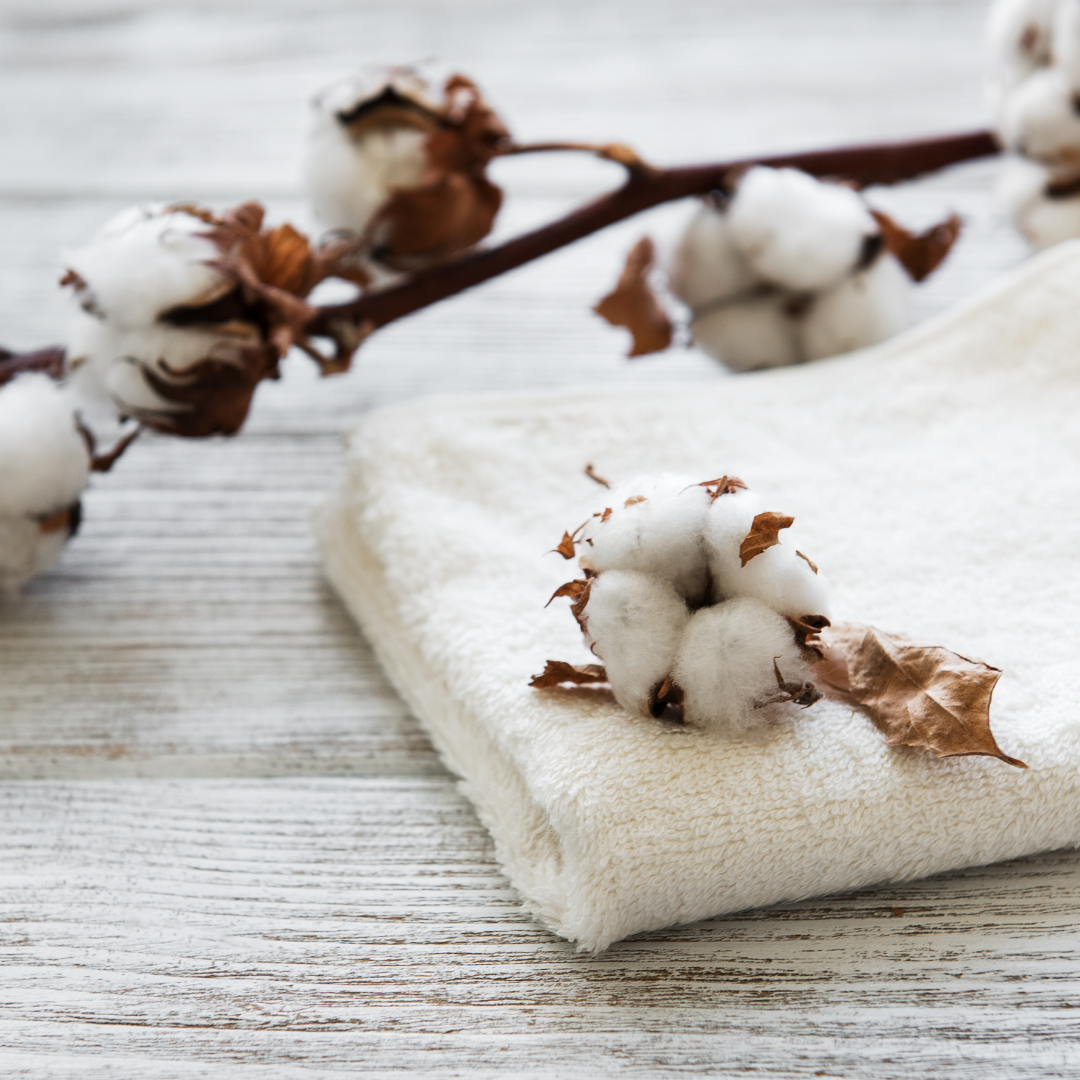
There has been a noticeable increase in consciousness and knowledge in recent years regarding the ethical and environmental implications of conventional cotton growing. As a result, more and more individuals are selecting organic cotton as an eco-friendlier option. Let's look at every organic cotton variety and each of its characteristics: 1. Environmental Benefits: Using organic farming practices to grow cotton benefits the environment by creating a shelter for biodiversity, preserving water quality, and boosting soil life. Organic cotton is a shining example of environmental stewardship since it reduces the ecological impact of its production by eliminating the need for artificial fertilizers and pesticides. 2. Healthier for Farmers: When it comes to agriculture, the decision between conventional and organic cotton goes much beyond simple farming methods; it is about protecting human welfare. The use of dangerous chemicals by conventional cotton puts not only the environment but also the hands who tend to it in danger. Choosing organic farming preserves the safety and dignity of the farmers who work on the land in addition to creating a better environment. 3. Water Conservation: Organic cotton farming uses a lot less water than traditional cotton farming because it embraces the cycles of rainfall and the wisdom of natural irrigation. This careful use of water becomes a lifesaver in areas where every drop matters, providing a sustainable shelter in the middle of the desert. 4. Quality of Cotton: Organic cotton expresses a purity that has not been infected by synthetic meddling, similar to a whisper of tenderness against the skin. Its fibers, raised away from the harsh grip of chemicals, are living examples of nature's creativity producing fabrics of unmatched quality. Organic cotton is king in a world where comfort and conscience coexist, spinning tales of luxury that calm the body and the spirit. 5. Ethical Considerations: Organic cotton production not only brings environmental advantages but also upholds rigorous social and ethical norms. Fair labor practices, enclosing equitable wages and secure working environments, take precedence, guaranteeing ethical treatment of workers across the supply chain. 6. Standards of Certification: To authenticate organic cotton products, several certification standards like GOTS (Global Organic Textile Standard) and OCS (Organic Content Standard) have been instituted. These benchmarks discover that every stage of production, from cultivation to processing and labeling, conforms to rigid organic criteria. 7. Sustainable Fashion: With a rising awareness of environmental and social concerns, sustainable fashion crafted from organic cotton is capturing more attention from consumers. Numerous clothing labels are embracing organic cotton in their lines, underscoring their dedication to sustainability and ethical procurement practices. 8. Impact on Communities: The cultivation of organic cotton holds the potential to uplift local communities by offering employment opportunities and supporting rural economies. Through the promotion of organic farming practices, communities can protect themselves against the impacts of climate change and work towards enduring sustainability. 9. Obstacles and Potential Futures: While growing, organic cotton has many benefits, there are drawbacks as well, such as greater initial costs and lower yields than conventional cotton. Nevertheless, organic cotton seems to have a promising future given the rising demand for eco-friendly and sustainable goods. Initiatives and ongoing developments are being made to solve these issues. In conclusion, organic cotton is a desirable choice for both ethical enterprises and thoughtful customers due to its numerous environmental, social, and economic advantages. We can contribute to the development of a more sustainable and socially conscious future for the fashion industry and beyond by supporting organic cotton.
29 Mar 2024
9 Essential Tips for Packing Baby Clothes
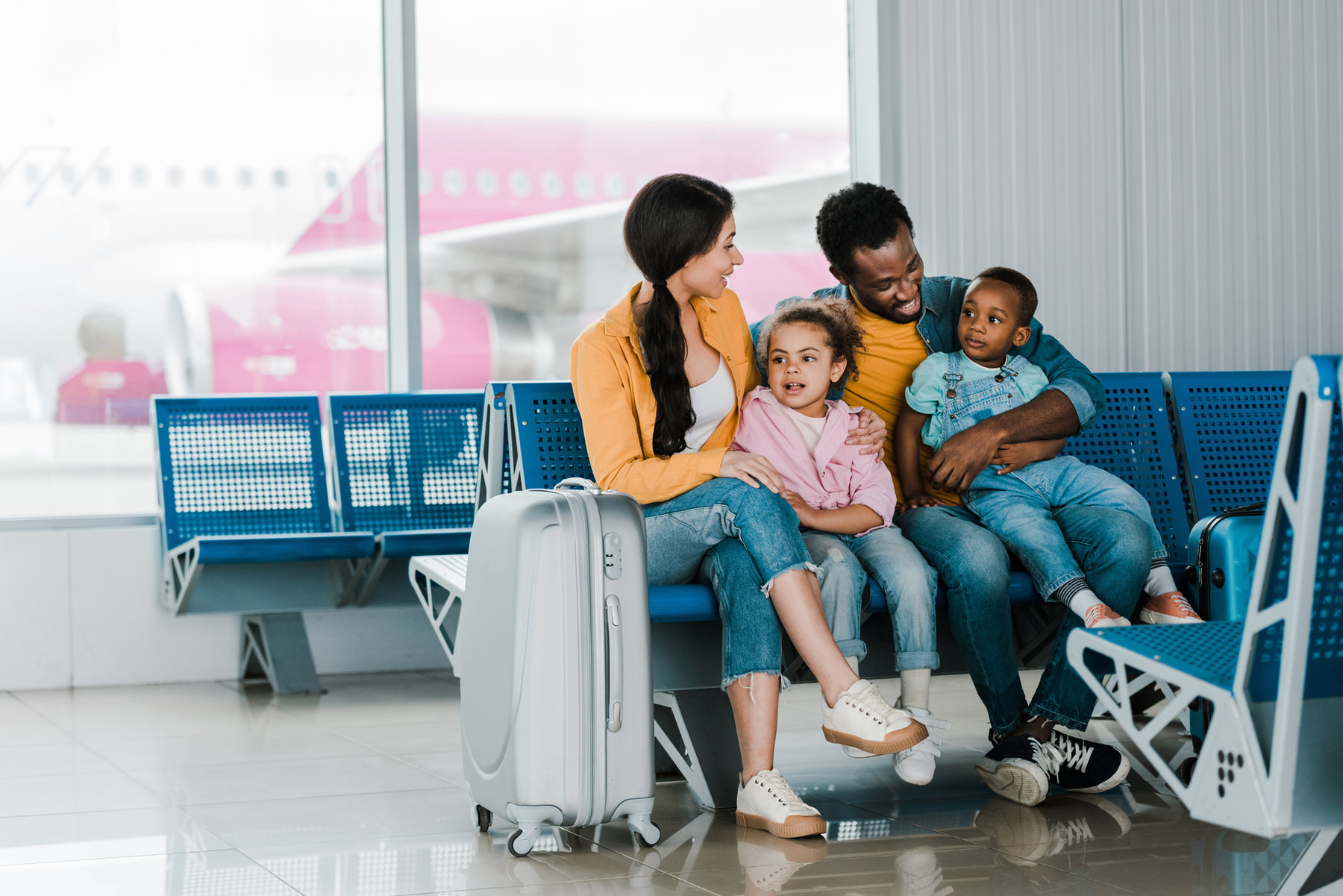
Travelling with the baby? There are benefits and problems while traveling with babies. Out of all general things to pack about, remembering to pack the ideal outfit for your child is essential. Your baby's outfit selection is crucial to a hassle-free travel, whether it's a quick trip nearby or a lengthy flight to a far-off place. Choosing pure cotton and organic baby clothes will make a big difference in your baby's comfort and wellbeing while they travel. Let's explore how to become an expert at packing for your infant so that you're prepared for any journey that may come up. 1. Knowing the Basics of Baby Travel Clothes: The main things to consider when preparing for your baby's trip are the clothing's ease of use, flexibility, and simplicity. Choose clothing that is easy to put on and take off and is soft on the baby's skin; here is where organic baby clothes flourish. TinyKiddo's all-natural, Pure Cotton, chemical-free formula is kind to sensitive skin, giving parents peace of mind regarding their child's comfort when traveling. Furthermore, wearing garments that adapts to changing temperatures will guarantee that your kid is comfortable no matter how the weather changes. Because of their natural softness and breathability, organic materials—especially pure cotton—are great options for your baby's travel attire. Putting an emphasis on these materials promotes environmentally conscious methods while also putting your baby's comfort first. 2. Be prepared for the Weather and Activities: It's critical to become familiar with the anticipated weather and scheduled activities at your destination before starting the packing process. This foreknowledge makes it possible to choose your baby's clothes with more accuracy. Pure cotton is a great option for lightweight, breathable fabrics that will keep your infant cool and comfortable when traveling to places with lots of sunshine and warmth. On the other hand, if you want to travel to a chilled area, choose clothing that is easy to layer and adjust to changing temperatures. These could be bodysuits with long sleeves or thin jackets that provide warmth without adding bulk. Take into account any particular activities you have in mind as well, such hikes or trips to the beach, which can call for specific apparel, like swimwear or more durable clothing. Remember that the objective is to provide your child with clothing that is appropriate for the weather and adaptable enough to accompany you on any adventure. This well-thought-out plan guarantees your baby's comfort, enabling the entire family to thoroughly relish the journey. 3. Choose Pure Cotton for Effortless Comfort: There are numerous benefits of 100% pure cotton for your baby's travel attire, all of which directly benefit babies overall comfort and well-being. This natural fiber is highly regarded for its exceptional softness and hypoallergenic properties, which makes it ideal for the sensitive skin of newborns and young children. For families on the go, cotton's stain resistance is a huge bonus because clothes made of this material can withstand several washings, which are a crucial aspect while traveling with a baby. Moreover, cotton's inherent capacity to breathe helps regulate your baby's body temperature, keeping them cozy in the winter and warm in the summer. Cotton clothing is incredibly easy to maintain; it can be cleaned by hand or in a machine, dries quickly, and is ready for further exploration the following day. This is a boon for parents who are often on the go. Choosing cotton dresses for your kids will guarantee that they are content and at ease on any trip. This is so because materials made of pure cotton are good at comfort and functionality. 4. How Many Clothes to Pack for Your Infant: How many clothes your infant should have depends on a few important factors, such as how long your vacation will take and whether or not there will be laundry facilities where you will be staying. Taking into mind one or two clothes per day is a reasonable guideline. This collection keeps your luggage manageable while accommodating the unpredictable nature of newborn messes. It helps to pack a few extra clothes as a safety net in case of unanticipated events like delays or changes in the weather. You can err on the side of less if you plan to have access to washing facilities, which will allow you to wash and reuse clothes as needed. This approach not only lightens your load but also ensures that your baby has a fresh, clean set of clothes available throughout the trip. Packing efficiently involves balancing preparedness with practicality, enabling you and your baby to navigate travel adventures comfortably and stress-free. 5. Crucial Types of Clothing for Your Infant's Travel Bag: Packing your baby's suitcase with the essentials for a smooth and comfortable trip is important. Begin by acquiring a couple of bodysuits that are adaptable and ideal for layering or fast diaper changes. To ensure restful nights when traveling, wear cozy pajamas. It's imperative to pack hats to guard against the sun or the cold, depending on where you're going, and booties or socks to keep their feet warm. Wearing a swimsuit is mandatory for any water-based activity. In order to effortlessly adjust the temperature in areas with air conditioning or fluctuating weather, always carry lightweight coats or sweaters as outer layers. Pack a couple special outfits for any family photos or special events you may have while visiting. All of these things guarantee that your infant is ready for any situation that may arise, which enhances the enjoyment of your trip for all parties. 6. Organizing Your Baby's Clothes with Proper Packing: Using a thoughtful packing strategy is essential to keeping your baby's clothes organized and easily accessible while you're on the road. Organize your baby's clothes by category, such as everyday wear, sleepwear, and special occasion wear, by using packing cubes. This strategy makes it easier to find specific products when needed, and it also speeds up the packaging process. Furthermore, rolling your baby's clothes rather than folding them can make all the difference in the world because it maximizes suitcase space, reduces wrinkles, and keeps the clothing in a new shape. To further make your organization easier, think about attaching tags with the contents to each packing bag. This will help you find what you're looking for much faster. Always dedicate a separate, easily accessible pouch or bag for clothes that need laundry, to avoid mixing worn clothes with fresh ones. This approach to packing not only keeps your baby's clothing neatly organized but also makes managing wardrobe changes on the go more manageable, ensuring a smoother travel experience for you and your little one. 7. Handling slips, falls and Diapers While Traveling Having a well-planned approach is crucial for handling diaper changes and unplanned accidents while traveling. Make sure you include enough diapers for the duration of your trip plus an additional supply in case of unanticipated delays or restricted access to stores. For quick and hygienic diaper changes in a variety of circumstances, wet wipes and a folding, waterproof changing pad are essential. To keep your diaper bag fresh and odor-free, use disposable bags for thrown-away diapers or to store garments that have been soiled or spilled. Furthermore, arranging a change of clothes at the top of your daypack or carry-on bag enables quick access in the event of spills or accidents, reducing stress and pain for both you and your infant. This proactive approach to diaper changes and mishaps keeps your infant comfortable while also guaranteeing a happier and less stressful travel experience for the whole family. 8. The Advantages of Baby Clothes Layering for Travel: Layering your baby's clothing allows them to easily transition from indoor to outdoor settings while maintaining comfort on-the-go. With this method, you may quickly modify the temperature to suit your baby's comfort level or the present temperature. Start with a snug bodysuit made of organic cotton that fits comfortably against your baby's skin as a soft, breathable foundation layer. In order to add extra warmth without becoming too hot, layer something light and made of pure cotton over this. A versatile item, such as a jacket or sweater, that can be quickly removed to accommodate changing weather conditions should make up the top layer. Layered approach is especially beneficial during travel, where temperatures can vary significantly between transit hubs, vehicles, and the final destination. By layering, you ensure your baby stays cozy, avoiding the discomfort of being too hot or too cold, which can be a game-changer in maintaining a smooth travel experience for both your baby and you. 9. Where to Find High-Quality Organic Baby Clothing and Pure Cotton Garments: Discovering top-tier organic baby clothing and pure cotton pieces for your little traveler is simpler than ever in today’s eco-conscious market. TinyKiddo, provides both online and physical store, offer expansive collections, catering to parents seeking sustainable, gentle options for their infants. Start by exploring our brand agendas that commit to ethical sourcing and handmade manufacturing, with complete chemical free dyes, ensuring that your purchase supports responsible practices. Additionally, consider visiting TinyKiddo- eco-friendly baby and children’s clothing store which can be great opportunities to see, touch, and evaluate products firsthand before making a purchase. TinyKiddo, promises you’ll find a wealth of organic and pure cotton baby clothing that gives comfort, style, and a reduced environmental footprint. When the time of your trip draws near, a thorough checklist will be your greatest ally in making sure nothing is overlooked. To ensure that your packing decisions are not impacted by last-minute adjustments, double-check the weather forecast. Check the amenities offered by your lodging to see if you may bring lighter luggage. Are there washing facilities? Check your schedule carefully; does it match the clothes and equipment you have planned for your infant? This last check-in gives you the chance to tweak and polish your packing list so that it properly suits your baby's needs for convenience and comfort on the journey. By keeping this checklist in mind, you may approach the pre-travel planning with assurance, knowing that you've taken into account every necessary detail for a hassle-free and joyful trip with your child.
8 Mar 2024

The Untold Story: Seed to Stitch
The clothes we wear tell stories. But some stories go deeper than the trend they represent. Handmade clothing whispers tales of patient hands, creative minds, and traditions passed down through generations. If you're curious about the journey from raw materials to the finished garment you adore, buckle up! Today, we'll delve into the fascinating world of how clothes are made by hand. 1. The Spark of Inspiration: The process often begins with a spark of inspiration. A designer might envision a flowing maxi dress, a cozy sweater, or a statement jacket. This initial idea becomes the foundation for the entire garment's existence. 2. The Fabric's Tale: The genesis of handmade clothing often lies in natural elements. Imagine fields of organically grown cotton, sun-soaked flax for linen, or fluffy sheep yielding wool for cozy sweaters. These raw materials are meticulously harvested, sometimes using age-old techniques like handpicking or traditional tools. 3. Spinning Yarns of Transformation: Next comes the transformation. Fibers are spun into yarn using tools like spinning wheels or charkhas, a testament to human ingenuity and dexterity. This process, often passed down through families, imbues the yarn with a unique character and cultural touch. 4. Weaving Magic on the Loom: For woven fabrics, the yarn takes center stage on the loom. Imagine the rhythmic clack of a handloom, weaving threads into intricate patterns or creating sturdy plain weaves. Each movement tells a story of skill and dedication passed down through generations. 5. The Art of Needle and Thread: For garments that require stitching, needles dance across fabric, guided by experienced hands. Tailoring techniques, some centuries old, are employed to create seams, embellishments, and unique details. Each stitch speaks of precision, creativity, and the maker's personal touch. 6. From Sketch to Finished Masterpiece: For some handmade clothing, the journey starts with a designer's sketch. Patterns are meticulously drafted, and fabrics are carefully chosen to bring the vision to life. The cutting, piecing, and final construction involve meticulous attention to detail, ensuring a garment that's both beautiful and functional. Beyond the Process: The journey of handmade clothing doesn't end with the final stitch. Each piece carries the story of the maker, their skills, and the values they represent. By choosing handmade, you're not just buying a garment; you're supporting artisans, eco-friendly, and a more conscious approach to fashion.. It represents: 1.Sustainability: Often made from natural materials and using traditional techniques, handmade clothing has a smaller environmental footprint. 2.Fair Trade: Many handmade clothes are produced by artisans who are fairly compensated for their skills, preserving cultural traditions and empowering communities. 3.Uniqueness: Each piece is one-of-a-kind, reflecting the maker's personality and skill, offering a distinct alternative to mass-produced fashion. 4.Quality and Durability: Made with care and attention to detail, handmade clothing is often built to last, becoming cherished pieces in your wardrobe. At TinyKiddo, handmade clothing is more than just a fashion trend; it's a conscious choice that values quality, craftsmanship, and individuality. So, embrace the magic of handmade, and discover the stories woven into every stitch!
19 Feb 2024

Is Ocean Fire Ice the Next Climate Catastrophe?
Imagine an ice cube that burns. That's fire-ice, a fascinating and concerning phenomenon happening deep beneath the ocean's surface. Who all are aware of this upcoming disaster? What causes this Fire- ice? When did all this happened? Let's dives deep into the intricate relationship between them What is fire-ice? Fire-ice, also known as methane hydrate, is a solid crystalline structure found in ocean sediments where high pressure and low temperatures keep methane gas trapped within cages of water molecules. Think of it like ice cubes with captured bubbles of methane instead of air. The connection to global warming: As our planet warms, the delicate balance in the deep ocean is disrupted. Rising temperatures can destabilize fire-ice, causing it to melt and release its trapped methane gas. This methane, a potent greenhouse gas 80 times more effective than carbon dioxide at trapping heat in the atmosphere over a short timeframe, contributes significantly to global warming. The potential consequences: The release of methane from fire-ice melting can create a vicious cycle: 1. Increased global warming: As more methane is released, it traps additional heat in the atmosphere, intensifying ocean temperatures and causing further destabilization of polar ice sheets. This heightened melting not only contributes to rising sea levels but also disrupts global weather patterns, triggers extreme weather events, and poses severe threats to biodiversity and human societies worldwide. 2. Ocean acidification: As methane dissolves in seawater, it reacts to form carbonic acid, exacerbating ocean acidification. This acidification poses a significant threat to marine ecosystems, disrupting coral reefs, shellfish populations, and the entire ocean food web. The resulting decline in pH levels not only impacts marine life but also undermines the ocean's ability to absorb carbon dioxide, further intensifying climate change. What's the current picture? Recent research indicates that fire-ice might be more vulnerable to melting than previously scientists thought. Studies have observed methane migration from the deep ocean floor towards shallower areas, suggesting potential release into the atmosphere. Humans contribute to methane gas emissions through a variety of activities, but the three main sources are: 1. Agriculture: This is the biggest human-caused source of methane, contributing roughly 32% of global emissions through Enteric fermentation and Manure management. In recent decades due to factors like expanding agriculture, increased reliance on fossil fuels. 2. Energy sector: This sector contributes around 25% of human-caused methane emissions, primarily through leakage of extraction and transportation at various stages of fossil fuel operations. Underground coal mining activities release methane trapped within coal seams. 3. Waste management: This sector contributes around 20% of human-caused methane emissions, primarily through: Landfills, wastewater treatments. The growing populations leading to more waste generation thus increasing in methane emission. This highlights the need for efforts to reduce human-caused methane emissions to mitigate their impact on global warming. Textile – Landfill - Methane emissions: Fast fashion and overconsumption increases landfills. The rise of fast fashion and the trend of discarding clothes more frequently lead to massive amounts of textile waste ending up in landfills. When textiles decompose in landfills, they do so in an oxygen-depleted environment (anaerobic) which encourages the production of methane by bacteria. This methane escapes into the atmosphere as a potent greenhouse gas. At TinyKiddo we use pure organic cotton from fields to, eco-friendly handmade manufacturing processing unit keeping all these Global warming causes in mind. Currently, organic cotton production only accounts for a small fraction less than 1% of the total global cotton production, which is an eye opener for all of us. Together, Let’s increase the demand for Organic cotton and reduce our footprints in Landfilling...
24 Feb 2024
Environmental Benefits of Organic Cotton
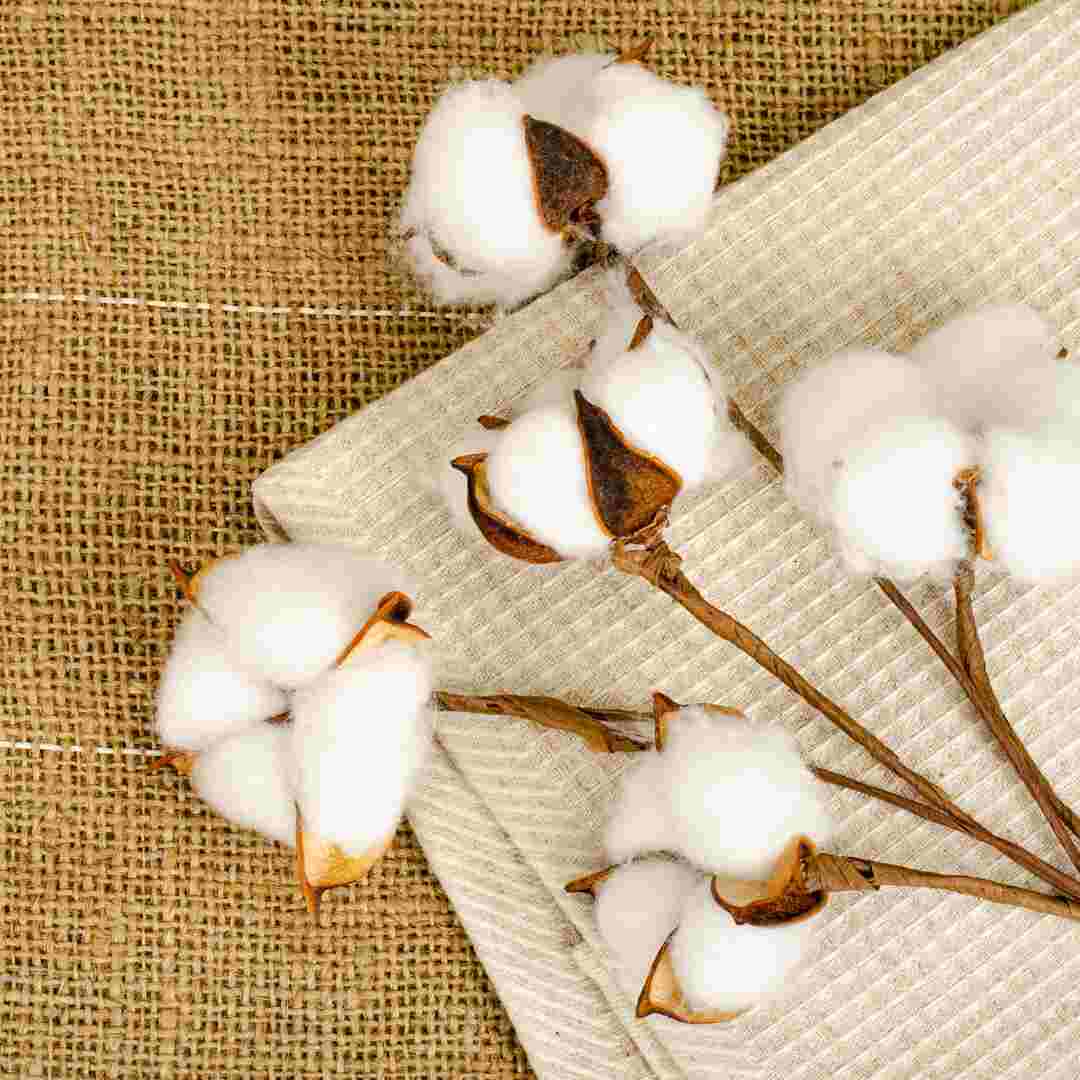
One decision in the world of fashion stands outstandingly in an ever more mindful and ecological living environment: "Organic cotton". A passion for a healthier lifestyle, a cleaner environment, and more responsible fashion consumption. There's more to this blog post than just clothes. Making a great decision is important for the world, our children, and ourselves. Environmental Benefits of Organic Cotton: More than just a product, organic cotton represents a path toward the "Repair of the Earth." Choosing organic cotton is a commitment in healing the world, not just a mear decision. Join us on this life-changing adventure where every choice we make will be the foundation for a more environmentally friendly future. 1. Reduced Chemical Use: The history of conventional cotton farming is filled with the extensive usage of synthetic fertilizers and pesticides, which absorbed into our soil, streams and gravely impacted human health. Organic cotton significantly reduces pollution and protects the health of farmers and other creatures that rely on farms because it is grown avoiding the use of harmful pesticides. This strength to uphold our values for a better world is loud and clear: "Select organic cotton." 2. Water Conservation: Water is pricey material available in limited supply. Organic cotton growing usually relies on rainfall and natural irrigation techniques, which lessens the burden on local water resources. Another reason organic cotton uses less water is the state of the soil. Organic soil is more likely to withstand a drought due to its enhanced capacity to hold water. 3. Biodiversity Preservation: In contrast to traditional cotton farming, organic cotton farming welcomes a new era that values and nourishes the peaceful coexistence of numerous species. Organic cotton fields become sanctuaries of life, humming with activity and brightness, by refusing to use hazardous chemicals and genetically modified seeds. In order to honor the biodiversity that keeps us all alive, let's keep integrating this inheritance into our daily lives. 4. Soil Health: Explore the fascinating field of organic cotton cultivation, where maintaining and enhancing good soil health is the goal. Crop rotation and organic cotton farming avoid harsh synthetic fertilizers and pesticides that rob the land of its vitality by using natural composting techniques to increase soil fertility. Stronger plants that are more resistant to pests and diseases are produced by healthier soil, which lowers the need for chemical treatments. Supporting Sustainable Fashion: This momentum creates an ecosystem for fashion that is fueled by creativity and ethical production, turning our closets into collections that embody optimism, resiliency, and an unrelenting dedication to the welfare of the planet. Together, let's bravely forge forth into this sustainable frontier and create a legacy that will endure, piece by piece. 1. Ethical Supply Chains: Ethical supply chains are not just transparent; they also maintain integrity, ensuring that every hand that handles our organic cotton apparel—from the seamstresses to the seed sowers—is treated with respect, gets paid properly, and works in a secure environment. Knowing that beneath every hemispheric slit there lies a story of ecological balance and human empowerment, let us raise the standard, demand reform, and wear our values with pride. 2. Reduction of Environmental Footprint: Choosing clothing made of organic materials is a direct response to the problem of overuse of resources that plagues our globe. Because of its environmentally friendly cultivation methods, it acts as a screen against the storm of greenhouse gases, drastically reducing our carbon emissions impact. Together, let's use organic cotton as a powerful weapon to pave the way for greater responsibility and less impact. 3. Promotion of Circular Economy: The idea is to be creative and make clothes that can be transferred from closet to wardrobe without ever ending up in a landfill. We support apparel made to be easily recycled, repurposed, or biodegraded by supporting organic cotton. Our determined effort is to not just lessen our environmental impact but also to tread lightly on the planet by returning as much as we take is demonstrated by this audacious move in the direction of a circular economy. Let us ignite the shift that will take the fashion industry to a place where circularity is the standard rather than an ideal. 4. Consumer Awareness: The defenders of organic cotton, informing people about the significance of what they wear. As the movement's ambassadors, these innovators communicate information on sustainability via forums and social media. This information torches enlighten the route to a sustainable future and steer us away from the verge of environmental degradation. TinyKiddo, a brand committed to sustainable goals where quality and safety comes first. By supporting organic cotton, we stand in support of a movement that holds out the prospect of ethical purity and ecological balance. It's about becoming a living example with dedication to the environment and the next generation. Consumers, wake up and be Conscious. It's our decision to make, and the moment is now. Join TinyKiddo in this movement, together, let's embrace this incredible decision and turn the fabric of fashion into a work of art that represents anticipation and regeneration.
14 Mar 2024
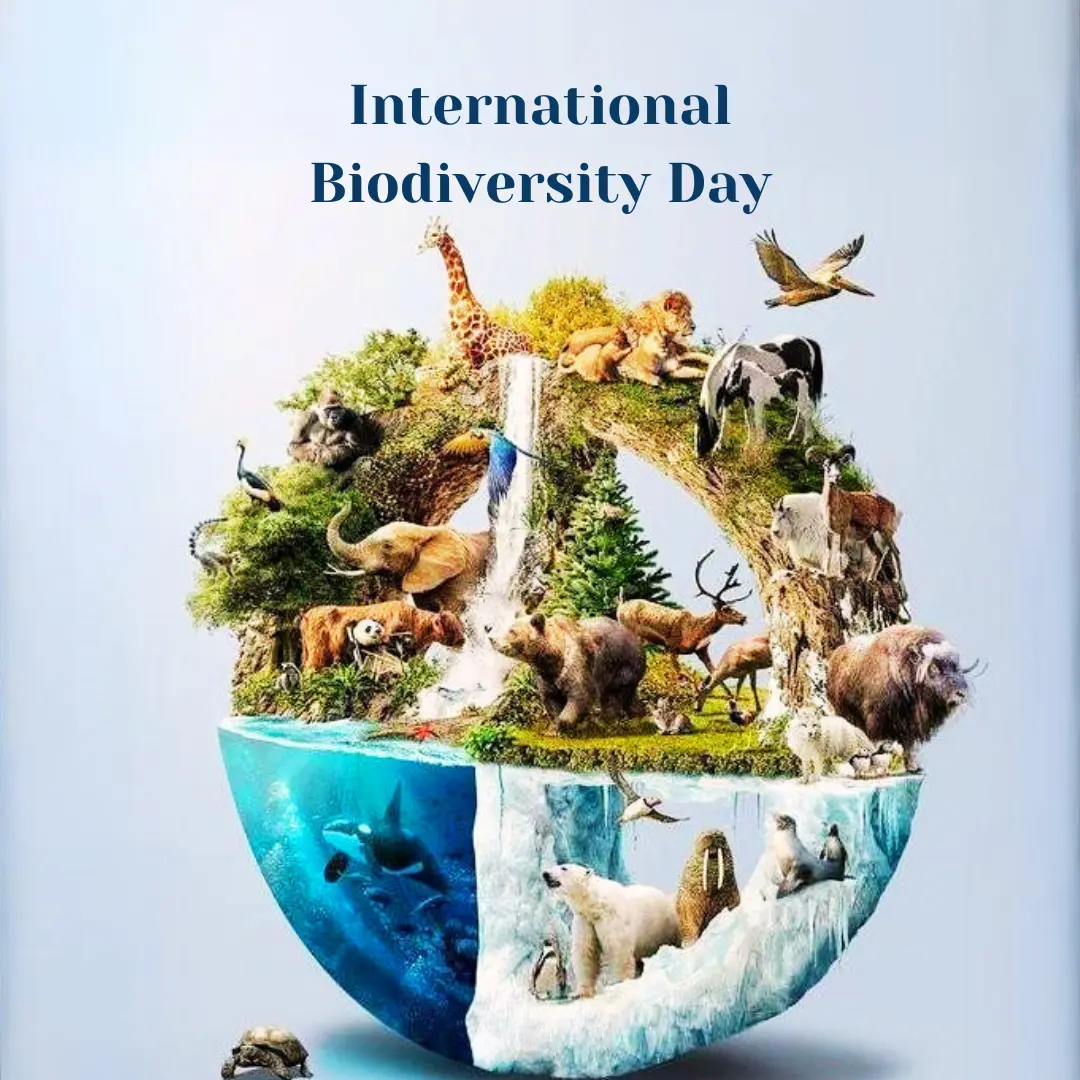
Biodiversity in Focus
Biological diversity, also known as biodiversity, is defined as the variety of all living things; the different plants, animals and microorganisms, the genetic information they contain and the ecosystems they form. The diversity of life we see today is the result of 4.5 billion years of evolution, shaped by natural processes and interactions between humans and the environment. But these many years of our very nature is in crisis now. Let's investigate the details more thoroughly. When biodiversity has a problem, humanity has a problem Biodiversity is the source of the essential resources and ecosystem services that sustain human life, including food production, purification of air and water, and climate stabilization. Biological diversity resources are the pillars upon which we build civilizations. Fish provide 20% of animal protein to about 3 billion people. Over 80% of the human diet is provided by plants. As many as 80% of people living in rural areas in developing countries rely on traditional plant‐based medicines for basic healthcare. Currently, there are more than 157,100 species on the IUCN (International Union for Conservation of Nature) Red List, with more than 44,000 species threatened with extinction, including 41% of amphibians, 37% of sharks and rays, 36% of reef building corals, 34% of conifers, 26% of mammals and 12% of birds. Irreplaceable ecosystems like parts of the Amazon rainforest are turning from carbon sinks into carbon sources due to deforestation. And 85 % of wetlands, such as salt marshes and mangrove swamps which absorb large amounts of carbon, have disappeared. The loss of biodiversity threatens all, including our health. It has been proven that biodiversity loss could expand zoonoses (diseases transmitted from animals to humans) while, on the other hand, if we keep biodiversity intact, it offers excellent tools to fight against pandemics like those caused by coronaviruses. Now everything is in our hands, whether we keep biodiversity intact or not? Be part of the Plan While there is a growing recognition that biological diversity is a global asset of tremendous value to future generations, the number of species is being significantly reduced by certain human activities. As the global community is called to re-examine our relationship to the natural world, one thing is certain: despite all our technological advances we are completely dependent on healthy and vibrant ecosystems for our water, food, medicines, clothes, fuel, shelter and energy, just to name a few. This involves respecting, protecting, and repairing our biological wealth. Today on this International Day for Biological Diversity, "Be part of the Plan," calls on everyone to support the Biodiversity Plan. Everyone can be part of the plan. Show your support on this day by making little changes in your lifestyle to save millions of lives. Do your part to save our Biodiversity The pollution we generate significantly impacts our ecosystem. Greenhouse gas emissions per person vary widely by country. In the United States, per capita emissions are more than twice the global average of 6.5 tons of CO2 equivalent, while in India they are less than half this average. Globally, the wealthiest 10% of the population are responsible for nearly half of all emissions. Here are some actions you can take to reduce your environmental impact to save our Biodiversity. 1.Plant native species If you have a garden or a few plants, check for native species. Native plants support local insects, worms and birds. Even one tree or shrub can help in saving our biodiversity. Avoid using insecticides and chemicals which are life threats for a few species. 2.Clean up your environment Humans, animals and plants all suffer from land and water contaminated by improperly discarded garbage. Use only what you need and dispose waste properly. Educate others and join local clean-ups. Annually, 2 billion tons of trash are thrown out, with a third damaging the environment by choking water supplies and poisoning soil. Thus, harming many lives of Eco-system. 3.Reduce, reuse, repair and recycle Electronics, clothes, and plastics cause emissions from production to delivery. To protect the climate, buy less, shop second-hand, and repair items. Plastics generated 1.8 billion metric tons of emissions in 2019, but less than 10% is recycled. Reducing new purchases can lower your carbon footprint, as each kilogram of textiles produces 17 kilograms of CO2e. 4.Save energy at home Improve home energy efficiency with better insulation or replace an oil or gas furnace with an electric heat pump to cut up to 900 kg of CO2e annually. Renewable sources of energy, such as wind or solar, can reduce your carbon footprint by up to 1.5 tons of CO2e per year. 5.Make your money count Every purchase impacts the planet. Choose products from sustainable brands like Tinykiddo that use resources responsibly and cut emissions. Ensure your investments support environmentally conscious businesses to reduce your carbon footprint. Speak up and get others to join in taking action. It's one of the quickest and most effective ways to make a difference. Talk to your neighbors, colleagues, friends, and family. Let business owners know you support bold changes – from plastics-free products and packaging to zero-emissions vehicles. Preserving biodiversity is not just an environmental issue but a fundamental necessity for sustaining human life and health. Our actions today determine the future of our planet. By making conscious choices, reducing waste, conserving energy, and supporting sustainable practices, we can all contribute to protecting the intricate web of life that sustains us. Let’s unite in our efforts to safeguard biodiversity, ensuring a thriving planet for generations to come.
22 May 2024

Crafting Safety, Nurturing Sustainability
In today's fast-paced work environments, marked by ever-increasing demands and pressures, the importance of prioritizing safety and health cannot be overstated. Shockingly, recent statistics reveal a concerning reality: globally, over 2.78 million workers succumb to work-related accidents or illnesses each year, with countless others facing non-fatal injuries and long-term health repercussions. Amidst these sobering figures, every year April 28th is celebrated as World Day for Safety and Health at Work all over the world. This day's main objective is to focus on promoting a healthy work culture so that work-related deaths and injuries can be reduced. It's a collective effort to create awareness about people's health and safety measures necessary at the workplace and to foster an environment that is both healthy and positive for the workers. In this spirit of advocacy for safe and healthy workplaces, we turn our attention to TinyKiddo, a shining example of a company that intertwines sustainability with a steadfast commitment to safeguarding the well-being of its workers. Let’s check it out in detail: Organic Farming: Nurturing Nature's Bounty In the realm of sustainable fashion, TinyKiddo stands as a beacon of conscientious craftsmanship, which not only benefit consumers but also extend support to farmers. By opting for organic farming methods, we ensure that farmers are not exposed to harmful chemicals and pesticides, safeguarding their health and well-being. Moreover, these practices promote soil health and biodiversity, creating a more resilient and sustainable agricultural ecosystem. With each thread woven into the garments, we honor the dedication of farmers cultivating organic cotton, offering them a pathway to a healthier and more environmentally conscious livelihood. Handmade Craftsmanship: A creators of Love Our dedication to sustainability extends beyond material selection; it embraces the art of handmade craftsmanship. Every stitch, every seam is a testament to the skilled hands that lovingly shape the fabric into adorable ensembles. This artisanal approach not only guarantees superior quality but also fosters a nurturing work environment where craftsmanship is celebrated, and individual talents flourish. Workers in such an environment gain not just livelihoods, but a sense of pride in their craft and a connection to the products they create. Our care and support for our workers is beyond physical health and safety. We connect with them emotionally understating their feelings and upholding their pride. Azo-Free Dyes: Coloring with Care Our dedication to safety and sustainability is further underscored by Azo-free dyes. By avoiding the harmful Azo dyes commonly found in conventional clothing, TinyKiddo ensures that our products are safe for both the workers- who craft them and the precious babies- who wear them. Workers experience the benefits of working with toxic free materials, enjoying improved air quality and reduced health risks associated with chemical exposure. Eco-Friendly Products: Fostering a Greener Future In a world plagued by environmental concerns, TinyKiddo takes a stand for eco-consciousness. By avoiding plastic, harmful chemicals and embracing eco-friendly production processes, we pave the way for a greener future. Our commitment to sustainability extends in every step of the process from sourcing materials to packaging. By working in an eco-friendly manner and in between eco- friendly goods, workers not only contribute to environmental conservation but also enjoy a healthier and safer work environment, free from exposure to toxic substances. The theme of the World Day for Safety and Health at Work 2024, "Focus on Safety Leadership for Environmental, Social, and Governance (ESG) Excellence," underscores the urgent need for concerted action in ensuring workplace safety and health. With millions of lives lost each year due to occupational accidents and work-related diseases, the responsibility to cultivate a positive safety and healthy working culture rests upon all of us. Let us honor sustainable companies like TinyKiddo, who exemplify dedication to safety, sustainability, and ethical labor practices and renew our commitment to creating safer and healthier workplaces for workers around the globe. Together, through collective efforts and supporting sustainable brands we can strive towards ESG excellence and build a brighter, safer future for all.
28 Apr 2024
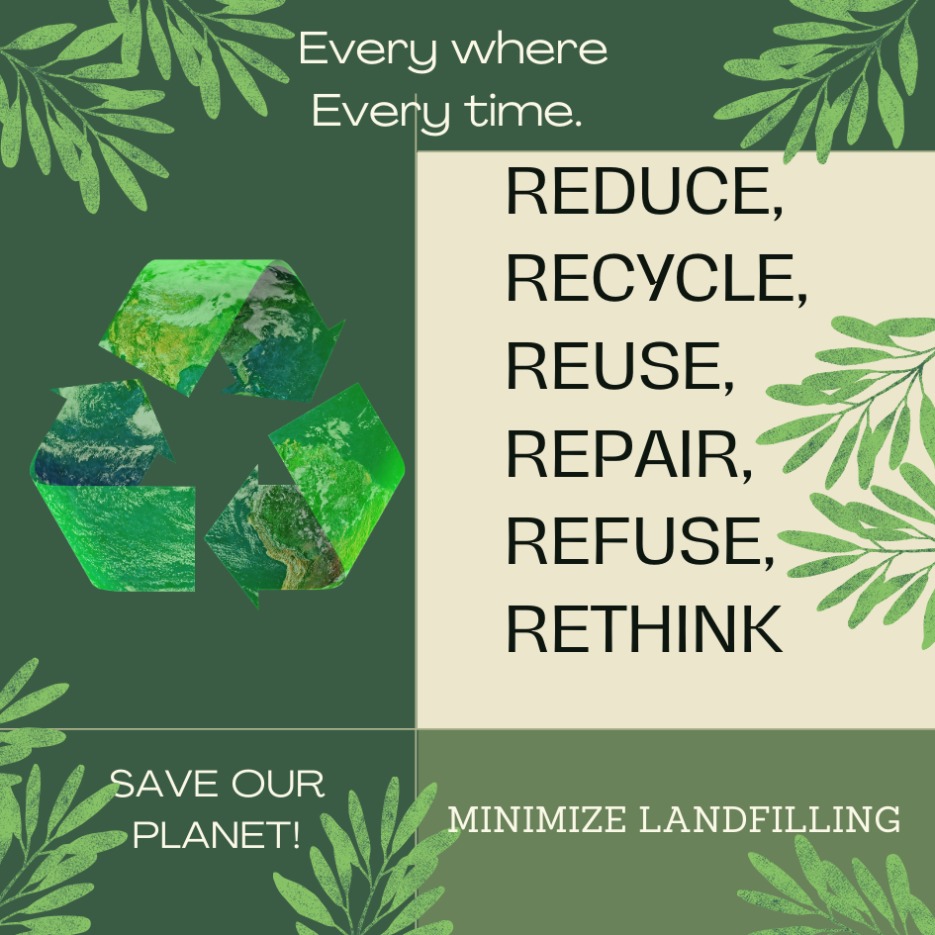
Want to Dress Smart and Sustainably?
Your Guide to the 6 R's of Clothing Fast fashion reigns, but its impact on our planet and wallets leaves much to be desired. Here's where the 6 R's of clothing come in, offering a roadmap to a more conscious, stylish and sustainable wardrobe. 1. Rethink: Before buying, challenge yourself. Do I truly need this? Does it align with my style and values? Can I borrow, rent, or buy pre-loved? Alternatives exist! Is it ethically made and sustainably produced? Research matters. 2. Refuse: Say NO to, Impulse buys: Breathe before buying. Is this fleeting fancy or lasting love? Cheap trends: Quality over quantity! Trends fade, but classics stay. Unethical practices: Support brands that align with your values. 3. Repair: Don't toss, fix! Learn basic mending: YouTube tutorials are your friends! Support local tailors: They work magic with needle and threads. Embrace imperfections: A patch or visible repair tells a story. 4. Reduce: Build a capsule wardrobe. Invest in versatile staples: Mix and match for endless outfits. Declutter regularly: Donate or sell what you no longer wear. Choose timeless styles: Trends come and go, but classics never die. 5. Reuse: Give clothes a second life. Swap with friends: Organize a clothing swap party! Get creative: Upcycle old clothes into bags, accessories, or home decor. Sell or donate: Give pre-loved pieces a new home and support others. 6. Recycle: When clothes reach their end, recycle responsibly. Check for textile recycling programs: Look for drop-off centers or specific brands with initiatives. Choose brands with closed-loop systems: They turn old clothes into new products. Support initiatives that recycle textiles into useful materials. Spread the Love: Share your sustainable fashion journey, DIY upcycling projects, and thrifting finds. Inspire others to rethink, refuse, repair, reduce, reuse, and recycle their way to a more conscious closet. Remember, small changes collectively create a big impact! This blog can be your platform to empower others to dress with a conscience. At TinyKiddo we provide pure cotton clothing which is eco-friendly and long lasting. Let's move beyond just trends and embrace a sustainable fashion future, one mindful choice at a time. What are you waiting for? Start your sustainable fashion journey today!
20 Feb 2024
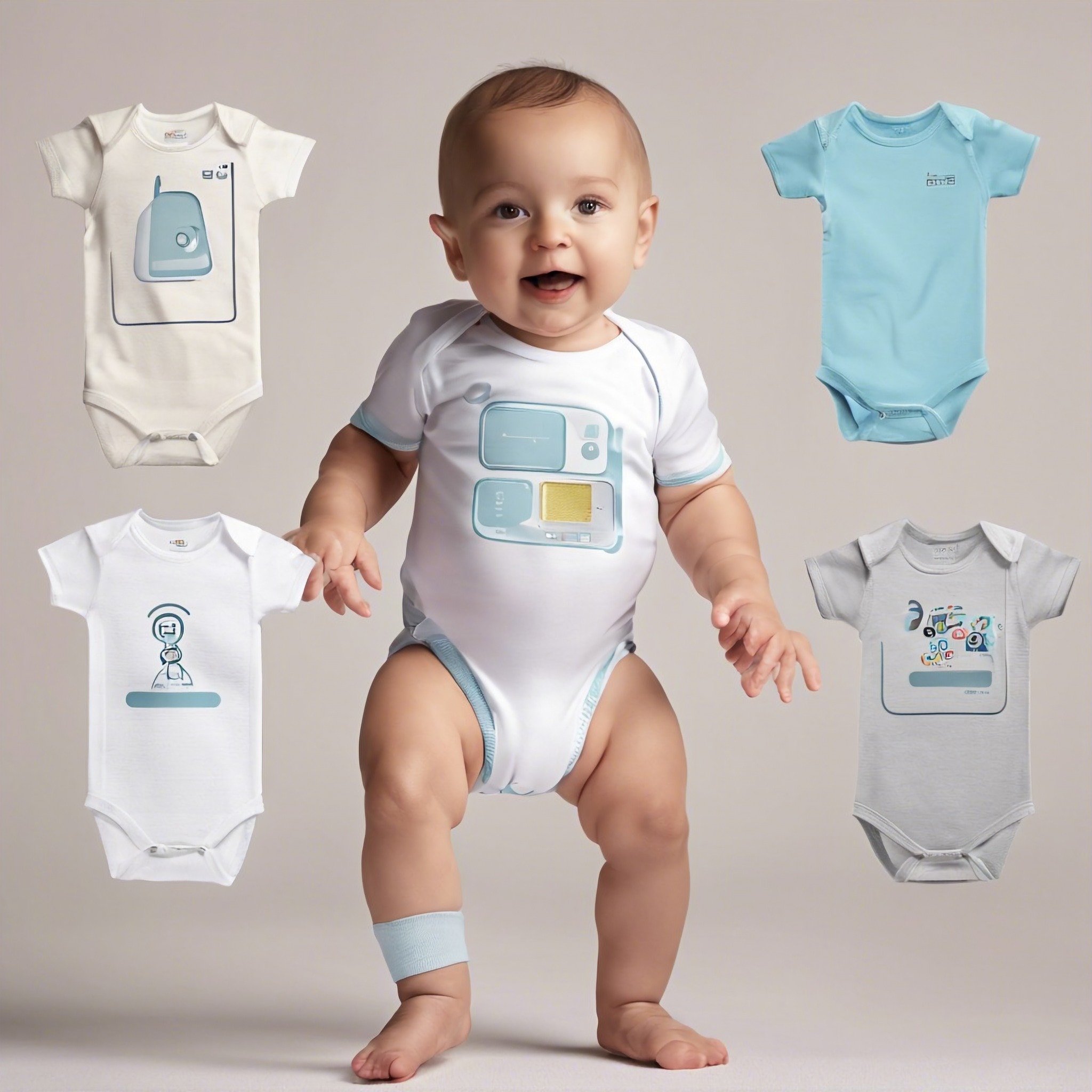
Innovations in Baby Clothing
Once upon a time, baby clothes were simply cute, practical, and outgrown faster than you could blink. But times are changing! The world of baby clothing is undergoing a fascinating transformation, where technology and innovation are merging with adorable outfits to create a whole new experience for both parents and tots. Buckle up, parents, because this is about to get exciting! 1. Smart Textiles & Wearable Tech: Imagine clothes that monitor your baby's temperature, heart rate, or sleep patterns, offering peace of mind and valuable insights. Brands like Owlet and Nanit are leading the charge with smart socks and bodysuits that connect to apps, providing real-time data and alerts. This technology can be especially helpful for new parents or babies with specific needs. 2. Sustainable & Eco-Friendly Fabrics: Conscious parents are increasingly opting for organic cotton, bamboo, and recycled materials that are gentle on both baby's skin and the planet. Innovative brands are even exploring natural dyes and water-saving production processes to minimize their environmental impact. 3. Adjustable & Convertible Designs: Say goodbye to mountains of outgrown clothes! Clever designs like convertible rompers, extendable sleeves, and adjustable waistbands allow garments to adapt to your baby's growth spurts, extending their lifespan and reducing waste. This is both budget-friendly and environmentally responsible. 4. Safety-Focused Innovations: From flame-retardant fabrics to hidden zippers and magnetic closures that prevent choking hazards, safety is paramount in innovative baby clothing. Look for brands that prioritize safety certifications and incorporate thoughtful design elements to protect your little one. 5. Gender-Neutral & Inclusive Styles: Gone are the days of pink for girls and blue for boys. Today, gender-neutral clothing options are exploding in popularity, offering a wider variety of colors, patterns, and styles that cater to diverse preferences and celebrate individuality. 6. Playful & Educational Features: Beyond being adorable, some baby clothes are incorporating interactive elements that stimulate learning and development. Think onesies with built-in sensory textures, books attached to bibs, or even onesies that track movement and play interactive games. The Future of Baby Clothing This is just the beginning! As technology advances, we can expect even more innovative features like self-cleaning clothes, UV protection integrated into fabrics, or personalized recommendations based on your baby's unique needs. The future of baby clothing is exciting, promising a blend of comfort, convenience, safety, and fun for the tiniest members of our society. The demand for eco-friendly materials is growing. Brands like TinyKiddo is becoming increasingly popular, offering soft, gentle options for delicate skin while minimizing environmental impact. What are your thoughts on these innovations? Are there any specific features you'd love to see in baby clothes? Share your ideas in the comments below!
23 Feb 2024
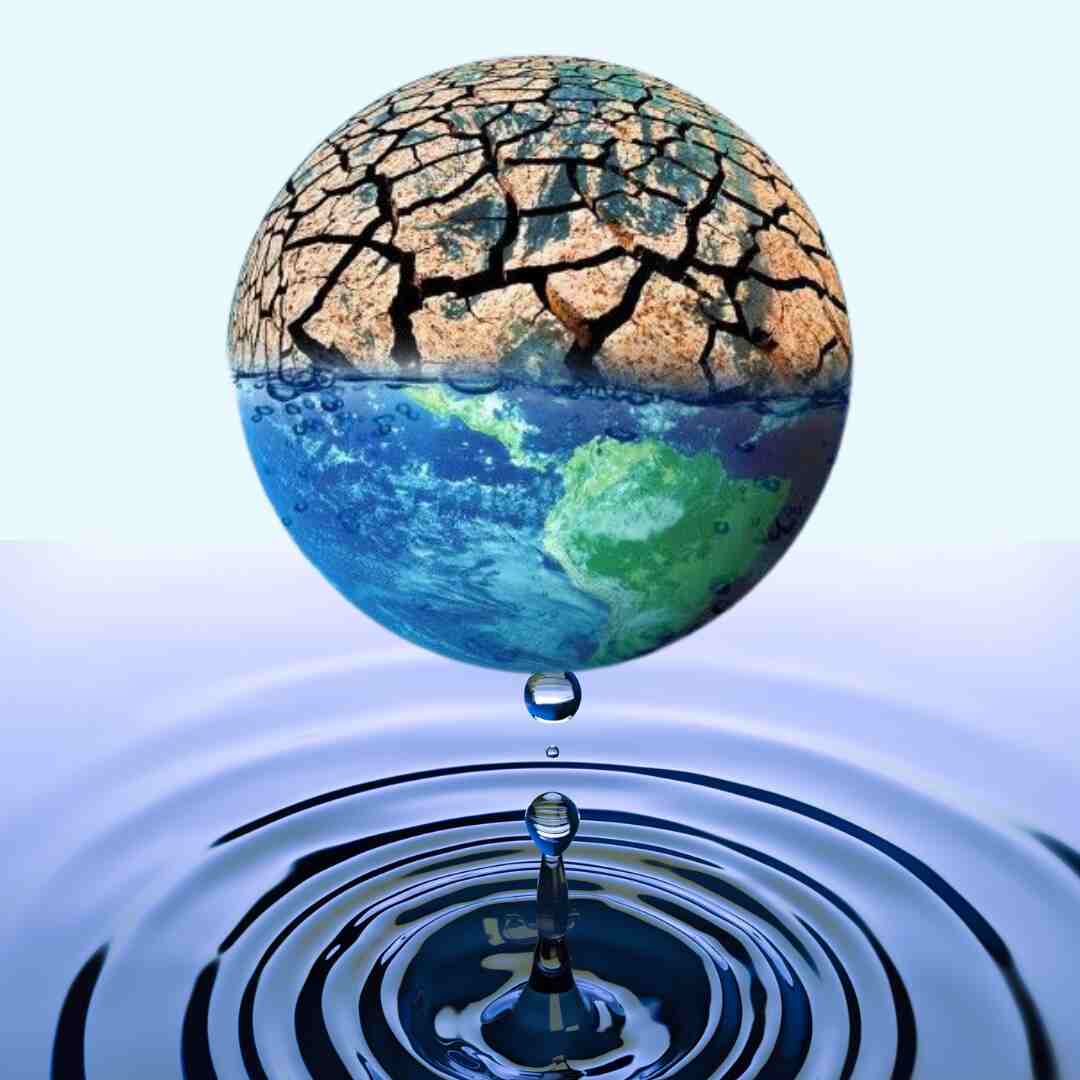
Water: Life in Freshwater is in Crisis
Water is the cornerstone of human survival, essential for drinking, sanitation, hygiene, and food production. Beyond sustenance, it plays a vital role in maintaining ecosystems, biodiversity, and regulating the Earth's climate. Its significance extends to cultural, economic, and environmental aspects, supporting agriculture, industry, and various cultural practices worldwide. As climate change intensifies, equitable access to clean water becomes increasingly urgent, necessitating sustainable management and conservation efforts. Recognizing water's importance fosters global cooperation and stewardship to safeguard this invaluable resource for current and future generations. World Water Day World Water Day is an annual event celebrated on March 22nd, aimed at highlighting the importance of freshwater and advocating for the sustainable management of water resources globally. With wetlands disappearing three times faster than forests, sustainably managing water is crucial. Unsustainable use and management of water is degrading ecosystems and driving species to extinction. Many countries face a future without enough water to meet their needs, limiting economic growth and contributing to migration and regional instability. Current water laws and management strategies have proven insufficient to address these challenges, which are exacerbated by climate change. Let’s check these for instance, Top10 Countries That Use the Most Water are: China – 362 trillion gallons United States – 216 trillion gallons Brazil – 95 trillion gallons Russia – 71 trillion gallons Mexico – 53 trillion gallons India – 30 trillion gallons England – 20 trillion gallons France – 20 trillion gallons Canada – 19 trillion gallons Australia – 12 trillion gallons 878 trillion gallons of water are used by the 10 countries listed above annually. 673 trillion gallons of water are used by just the top three countries on the list i.e, China, U.S, & Brazil With a population of 1.1 billion people, India uses the least amount of water per person of all the countries on the list With a population of 300 million people, the United States uses the most water per person of all the countries on the list. Worldwide, we use more than 4 trillion m³ of freshwater per year. From the beginning of 2022, we have consumed more than 2,002 trillion m³ of fresh water. 2.2 billion people living without access to safe water. It is about taking action to tackle the global water crisis. A core focus of World Water Day is to support the achievement of Sustainable Development. What is Fresh Water? Water covers about 71% of the earth's surface. 97% of the earth's water is found in the oceans- too salty for drinking, growing crops, and most industrial uses except cooling. Remaining 3% of the earth's water is fresh and useful. Moving forward, 2.5% of that water is frozen, meaning that only 0.5% of fresh water is suitable for human consumption. 2024- World Water Day Theam Water for peace -Water can create peace or spark conflict. Despite its critical importance, global water resources face numerous challenges. Water scarcity affects millions worldwide, with many lacking accesses to safe and clean drinking water. Additionally, pollution and contamination threaten water quality, compromising human health and ecosystem integrity. When water is scarce or polluted, or when people have unequal, or have no access, conflicts can arise between communities and countries. More than 3 billion people worldwide depend on water that crosses national borders. Yet only 24 countries have cooperation agreements for all their shared water. Public health and prosperity, food and energy systems, economic productivity and environmental integrity all rely on a well-functioning and equitably managed water cycle. As climate change impacts increase, and populations grow, there is an urgent need, within and between countries, to unite around protecting and conserving our most precious resource. Sustainable Solutions for Water Conservation Addressing these challenges requires concerted efforts towards water conservation and sustainable management. Implementing efficient water management practices, such as rainwater harvesting and drip irrigation, can significantly reduce water waste and improve resource utilization. Moreover, the adoption of green technologies, such as water-efficient appliances and wastewater treatment systems, can help mitigate pollution and enhance water quality. Practical Tips for Water Conservation at home: Achieving water sustainability necessitates both individual and collective action. Individuals can contribute to water conservation efforts through simple yet impactful measures, such as: 1. Fix Household Leaks : Household leaks can waste significant amounts of water over time. Regularly check faucets, pipes, and toilets for leaks, and promptly repair any issues. Even a small leak can add up to 20 gallons of water each day. 2. Wash Full Loads : When using washing machines and dishwashers, wait until you have a full load before running them. Running these appliances with partial loads wastes water and energy. Maximize efficiency by washing full loads saves 50 gallons per week. 3. Shorten Shower Time : Aim for shorter showers and consider installing a low-flow showerhead to further minimize water usage. 5 minutes of shower can save 8 gallons of water. 4. Turn Off Water While Brushing : When brushing your teeth or shaving, turn off the tap to avoid wasting 2.5 gallons of water per minute. 5. Invest in Water-Saving Devices :Consider investing in water-saving devices such as low-flow faucets, aerators, and dual-flush toilets. These devices are designed to minimize water consumption without compromising performance. 6. Use a Broom for Driveway Cleaning :Instead of using a hose to clean driveways and sidewalks, opt for a broom. Sweeping these areas can save up to 150 gallons (about twice the volume of a bathtub) each time. 7. Choose Water-Efficient Landscaping: Opt for drought-resistant plants and landscaping techniques that require less water. Consider xeriscaping, mulching, and using native plants to create a water-efficient garden that thrives with minimal irrigation, can save 840 gallons (about 3179.74 L) each time. 8. Water Gardens Wisely :Water gardens and lawns early in the morning or late in the evening to minimize evaporation. Adjust sprinklers to avoid watering sidewalks and driveways, focusing the water directly on the landscape can save up to 25gallons each time. 9. Check and Maintain Sprinkler Systems :Regularly inspect and maintain sprinkler systems to ensure they are functioning efficiently. Fix any leaks, adjust sprinkler heads, and consider upgrading to smart sprinkler systems that adjust watering schedules based on weather conditions and soil moisture levels can save 40 gallons a day. By incorporating these water-saving practices into your daily life, you can make a significant impact on conserving water resources and promoting sustainability. Every drop saved at home contributes to a healthier planet for future generations. Play your part! Be part of the global campaign on ‘Water for Peace’. Imagine a world where water unites rather than divides. We need everyone – from individuals and families to companies and governments – to cooperate with us on saving water, balancing everyone’s water needs and paving path for a more harmonious society. Tinykiddo, a sustainable brand, is committed to saving water by using organic cotton which saves more than half of the water utilized in its production process. Together, let us commit to safeguarding our planet's water resources and building a more water-secure world.
22 Mar 2024
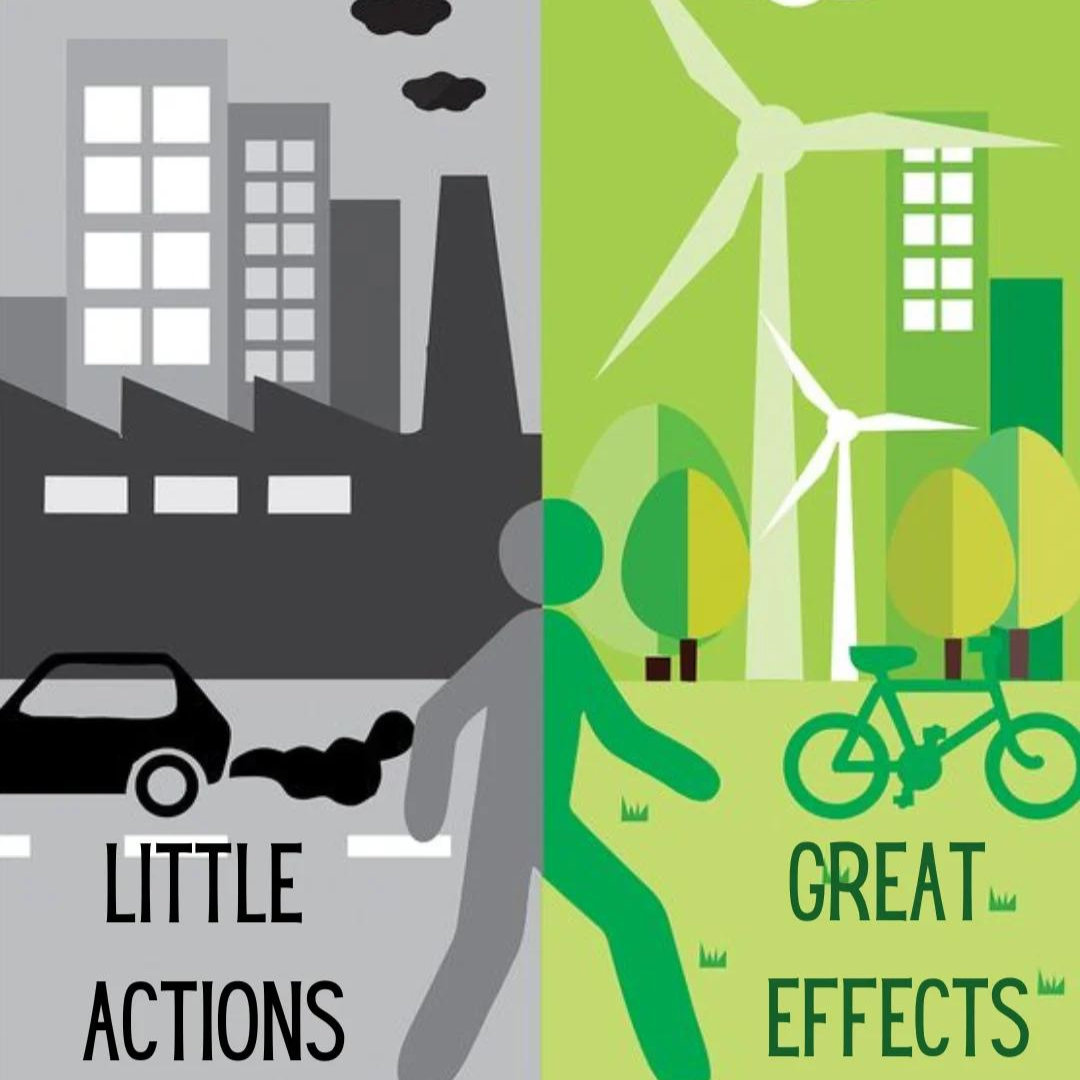
Little Actions, Great Effects
"Plastic," It's present in everything, including the single-use bags we discard after shopping and the water bottles we use to cool off. Yes, it's convenient, but that convenience has a cost: an expense to the earth, a price to our health, a price to our future. It's time to refuse plastic and release yourself from its hold! Why Give Up Plastic? There are several concerning causes for this: 1. Environmental Destruction: Plastic pollutes oceans, traps landfills, and harms wildlife throughout decades and centuries as it decomposes. Plastic waste overflows the seas, entangling and destroying marine life. When plastic breaks down, dangerous microplastics are released into the food chain. 2. Health Risks: Plastic pollution poses significant environmental and health risks due to the leaching of harmful chemicals into ecosystems and the ingestion of plastic particles by marine life, potentially disrupting ecosystems and contaminating food chains. Plastics include chemicals that can contaminate food and water and cause hormone imbalances, infertility issues, and even cancer. 3. Depletion of Resources: The reliance on fossil fuels for plastic production not only contributes to climate change through the release of greenhouse gases during extraction and manufacturing but also perpetuates a cycle of resource depletion. Transitioning towards more sustainable materials and recycling practices is crucial for reducing greenhouse gas emissions and preserving finite resources for future generations. Little actions, Great effects: Even though the plastic problem seems overwhelming, every little bit of effort matters. Here are a few easy ways to refuse plastic: 1. Support Reusables: Opt for sustainable alternatives like cotton bags, clothing, and reusable mugs for coffee, minimizing reliance on single-use plastics. Discard plastic cutlery and straws in favor of reusable utensils, and remember to bring them along when ordering takeout to reduce plastic waste. 2. Consider Your Purchases: Consider the impact on our planet and future generations before making purchases. Opt for products with minimal packaging, embrace refillable alternatives, and actively avoid single-use plastics. By adopting these mindful choices, we can contribute to a sustainable future for all and mitigate the harmful effects of plastic pollution. 3. Encourage Sustainable Brands: Numerous businesses are increasingly committed to utilizing recycled materials and reducing plastic usage across various industries, showcasing a growing awareness of environmental sustainability. From eco-conscious fashion brands incorporating recycled fibers to innovative packaging companies developing biodegradable alternatives, these initiatives demonstrate a shift towards more responsible and planet-friendly business practices. 4. Raise Awareness: Engaging in open discussions with friends and family about the impact of plastic pollution can raise awareness and inspire collective action. Offering practical tips like using reusable bags, bottles, and containers, and encouraging participation in local cleanup efforts or advocacy campaigns can empower individuals to make meaningful contributions to reducing plastic waste. 5. Become Involved: Supporting organizations dedicated to combating plastic waste through donations can contribute to impactful initiatives and research aimed at mitigating its environmental impact. Participating in beach clean-ups not only directly removes plastic debris but also raises awareness about the importance of responsible waste management, while advocating for stricter legislation can drive systemic change towards a more sustainable future. Never forget that each of us must lead the change. We can all work together to produce a tsunami of change and release ourselves from the hold that plastic holds by making tiny changes to our everyday routines. For the sake of present and future generations, let's refuse plastic and choose a better planet. Since 2019, TinyKiddo has been leading the way in supporting 100% Cotton and organic cotton for our next-generation kids.
19 Feb 2024
What is Plastic-Free Cotton?
Cotton, a natural and beloved fabric, might not seem to have much to do with plastic. However, the reality is that plastic lurks in many cotton garments, from the fiber itself to the buttons, zippers, and even the packaging. This hidden plastic contributes to environmental issues like microplastic pollution and textile waste. But there's good news! The "Plastic-Free Cotton" movement is gaining momentum, offering a more sustainable and healthier alternative for you and the planet. So, what is plastic-free cotton? It's a movement towards cotton that's free from synthetic fibers, harmful chemicals, and unnecessary plastic trimmings. It's about choosing cotton that's grown sustainably, processed ethically, and doesn't leave a trail of microplastics in its wake. What's the Big Deal with Plastic in Cotton? 1. Microplastic Mayhem: Traditional cotton blends often contain synthetic fibers like polyester, which shed tiny plastic particles during washing. These microplastics pollute our oceans, harm marine life, and even end up in our food chain. 2. Chemical Cocktail: The intensive use of harmful pesticides and fertilizers in conventional cotton farming not only pollutes the environment but also poses health risks to both agricultural workers and consumers. Residues of these chemicals can persist on finished garments, potentially exposing individuals to harmful substances through prolonged skin contact or inhalation, highlighting the importance of opting for organic cotton products to minimize such risks. 3. Plastic Trimmings: Beyond fabric, components like buttons, zippers, and threads, as well as packaging, frequently contain plastic, exacerbating landfill waste and contributing to the pervasive issue of microplastic pollution, which poses threats to ecosystems and human health. Choosing alternatives made from biodegradable or recycled materials can help mitigate these environmental impacts. Why Choose Plastic-Free Cotton? 1. Earth-Friendly Hero: By eliminating plastic from your daily routine, you're actively reducing the pervasive problem of microplastic pollution while also championing sustainable farming methods that promote environmental integrity and enhance soil health. This commitment to plastic-free living not only benefits ecosystems and marine life but also fosters a more resilient and sustainable future for generations to come. 2. Breathe Easier: Choosing organic cotton, free from harsh chemicals, ensures that your clothing is gentler on your skin, reducing exposure to harmful toxins. Additionally, its breathable nature enhances comfort, making it an ideal choice for everyday wear. 3. Durability You Can Trust: In addition to being more durable and long-lasting than synthetic blends, high-quality plastic-free cotton garments also offer superior comfort and breathability, ensuring a more enjoyable wearing experience. By investing in such garments, you not only save money and resources in the long run but also contribute to reducing plastic pollution and promoting sustainable fashion practices. 4. Ethical Choice: Choosing plastic-free cotton not only benefits the environment but also promotes fair labor practices and ethical production throughout the supply chain. By opting for products that prioritize sustainability and social responsibility, consumers can contribute to creating a more equitable and sustainable future for workers in the textile industry. But how do you find plastic-free cotton? 1. Look for certifications: GOTS (Global Organic Textile Standard) and Oeko-Tex Standard 100 certifications provide assurance of organic cotton production methods and the absence of harmful chemicals in textiles. These rigorous standards ensure that products bearing their labels meet strict criteria for sustainability and environmental responsibility. 2. Choose transparent brands: Opt for brands like TinyKiddo, that disclose their materials and production processes, allowing you to make informed choices. 3. Read labels carefully: When searching for environmentally friendly options, keep an eye out for labels such as "100% organic cotton" or "plastic-free." These labels indicate products that are produced sustainably and with minimal environmental impact. By opting for organic cotton and plastic-free alternatives, you're making a conscious choice to promote sustainability and protect the environment for future generations. 4. Invest in quality: Spending a little more on high-quality, plastic-free garments can save you money in the long run due to their increased durability. Beyond Cotton: Expanding the Plastic-Free Horizon: The movement doesn't stop at cotton! Explore natural fibers like linen, hemp, and tencel as alternatives to synthetic materials. Choose reusable packaging and support brands like TinyKiddo, which is committed to sustainable practices. Remember, every conscious clothing choice makes a difference! Together, let's breathe easier, wear more responsibly, and leave a lighter footprint on our planet. Let's embrace the Plastic-Free movement, one thread at a time!
23 Feb 2024