Tips on Buying Clothes
5 articles on tips on buying clothes from TinyKiddo — pure cotton baby clothing made in Visakhapatnam.
Gender Neutral Baby Fashion
In a world that is constantly evolving to be more inclusive and accepting, it is time we said goodbye to the rigid gender stereotypes surrounding baby clothing. Pink for girls, blue for boys – those ideas are outdated and limiting. Let us create a world where babies have the freedom to express themselves through fashion without unnecessary gendered labels. Let's dive into the latest trends and why this movement is gaining momentum. Why Gender-Neutral Fashion Matters? 1. Equality from the Start: Babies cannot tell us their preferences, yet we often impose gendered ideas onto them from the moment they are born before they even understand the concept. Gender-neutral clothing empowers babies to simply be themselves, without the limitations of "boy" or "girl" attire. 2. Freedom of Expression: Let babies be babies! They do not care about gender norms, so why limit their attire to outdated ideas? They just want to be comfy and look adorable. Gender neutral baby clothing promotes inclusivity and allows children to explore their identity with out societal constraints. 3. Inclusivity and Acceptance: Gender-neutral options in baby clothing foster inclusivity by breaking away from traditional gender norms, allowing children to express themselves authentically and creating more understanding and inclusive space for all children, who are going to be future adults. 4. Sustainability: We have to think about a plus point of sustainability. Pass hand me downs between siblings regardless of gender, reducing waste and saving money! Gender-Neutral Styles 1. Embracing the Rainbow: Don't stick yourself to some fixed colors like pink or blue. Nature provides us with enormous of colors, let's embrace them and feel the specialty of each and every color. Just try a wider color palette! Think earthy browns, warm yellows, soft greens, and calming grays, more and more according to your choice. 2. Playful Prints: Kids have a special imagination power. There is no special need to tell about their likes on imaginative stories and characters. They like to imagine the stories we tell them or the lesson their teachers teaches them. So to help them in their imaginative world from the start we can help them with these funny prints like- Animals, nature motifs, geometric patterns, and stripes are all fun, gender-neutral options. 3. Comfort is Key: Coming to baby clothing, all parents priorities their children comfort and safety. Choose soft, breathable fabrics like organic cotton, linen, and bamboo blends for babies comfort. 4. Essential Pieces: Babies doesn't need lots of stock ups in their wardrobe. The most essential can make their days comfortable and funny. Choose Onesies, rompers, leggings, t-shirts, hoodies, and cozy sleepwear for babies rather than fancy wears and party wears. Don't miss the bibs and napkins from the list of essentials. Beyond the Clothes : Gender-neutral fashion is more than about clothes. Let's see what are they? 1. Toys and Activities: There are no specific boundaries for toys or activities saying these are for girls and those are for boys. Encourage your child to explore all interests, regardless of traditional gender associations fostering a more inclusive and open minded environment. 2. Language: Use inclusive language that avoids associating activities or interests with specific genders. Kids learn from their parents first. So be thoughtful before speaking referring to genders. 3. Open-Mindedness: Be open to your child's self-expression, even if it challenges traditional norms. Teach them from the start by not showing difference in their clothing. 4. Accessorize: Beanies, hats, and simple jewelry can add a touch of personality allowing individuals to express their uniqueness and style. This Gender neutral accessorize can increase confidence in babies from young age. This also makes our babies look stylish and cute. Let Us Raise a Generation Free from Limiting Stereotypes! Gender-neutral baby fashion is about embracing individuality, fostering inclusivity, and creating a more open-minded world for our children. By making conscious choices, we can help future generations grow up absolutely free to be themselves. TinyKiddo brand specializes in gender-neutral clothing with beautiful designs and ethically sourced materials. By embracing these trends, we create a more inclusive and welcoming world for our little ones while setting an example of positive change.
27 Feb 2024
How Often Do You Shop for Your Baby?
Are you overwhelmed by the endless options when it comes to shopping for your baby? Curious about how to make the best choices for your little one's comfort and well-being? In this blog, we'll delve into the ins and outs of baby shopping, offering tips and insights to help you navigate the aisles with confidence and ease. Whether you're a first-time parent or a seasoned pro, join us as we explore the essentials and uncover helpful strategies for a stress-free shopping experience. The Frequency of shopping based on Baby's age: Newborns grow rapidly, so you might need to buy clothes more often in the early months. As they get older, growth slows down, and shopping becomes less frequent. 1. Newborn Stage (0-3 months): This is a period of rapid growth, so expect frequent shopping trips weekly or even more often for essentials like onesies, diapers, and formula. Hand-me-downs and borrowed items can be lifesavers in this fast-paced phase. Please do remember to keep the items in limit. 2. Mid-infancy (3-12 months): Growth slows down a bit, but you'll still need to buy new clothes as your baby outgrows their current size. Shopping trips can become less frequent every 2-3 weeks but keep an eye on seasonal changes and developmental milestones that might require new gear. 3. Toddlerhood (1-3 years): Growth becomes more sporadic, and your child's preferences start to play a bigger role. Shopping trips can be less frequent monthly or even less but be prepared for the occasional splurge on special outfits or toys. Toddlers are interested in play toys and activates more than clothes. 4. Preschool and beyond: Growth slows down significantly, and hand-me-downs or second-hand clothes become more viable options. Shopping has become more about replacing worn-out items, fulfilling specific needs, or indulging in occasional treats. Tips for Smart Baby Shopping: 1. Buy second-hand: Never underestimate or hesitate to use second hand clothes for your babies. Its a boon in saving money and saving our planet from land fills. As babies outgrow clothes quickly, look for gently used items from friends, family, or consignment shops where ever you feel to get the best second-hand clothes for your babies. 2. Invest in basics: Baby wardrobe doesn't need to be a fashion parade. What all babies require is essentials that make them comfortable. Not, fancy dresses and party wear, they seek for. Focus on high-quality, versatile pieces that can be mixed and matched with soft fabric and breathable for babies. 3. Shop off-season: Take advantage of sales and discounts to stock up on clothes for future needs. But, do keep in mind that excess purchase also may lead to a disaster, since your baby will outgrow them fast. One key point here is, place the clothes you purchased for future use in cupboard, where you can easily identify them. If not, there are chances- you might forgot the clothes you got for future purpose. 4. Utilize subscription services: There are many baby stores available on online and physical stores. Almost every one are providing discounts for their valuable customers who all subscribed them or signup for them. Consider diaper delivery services or clothing subscriptions for convenience and potential savings. 5. Plan ahead for milestones: Think about upcoming seasons and growth spurts when making purchases. Never miss the End-of-season sales. You can stock up for the next year seasons from now on that too in huge discounts. But, stick to buying limited clothes of bigger sizes. May be your kids might overgrow them before the season comes. Ultimately, the best frequency for shopping for your baby depends on your individual circumstances and needs. Listen to your baby, pay attention to their growth and development, and adjust your shopping habits accordingly. Remember, it's not about keeping up with trends, but about providing your little one with what they need to be comfortable and healthy. Do you have any specific questions or challenges related to shopping for your baby? Share them in the comments below.
23 Feb 2024
6 Important Points Before Buying Clothes
In present bustling life, with constant advertising and a rapidly evolving fashion scene, it's tempting to make impulsive clothing purchases. But before you hit "buy" on that trendy Kurta or kids wear, take a step back and consider the journey those clothes have taken. This blog post aims to empower you to become a more conscious consumer by encouraging you to "Know About Them" before you buy your clothes. Why Should You Know About Clothes before Purchasing them? There's more to clothing than just aesthetics. What if we bought less, bought better, and bought with knowledge? This blog post is your guide to conscious consumption in fashion, encouraging you to be informed before you invest in a new piece. Here are 6 important points for you in understanding the story behind your garments is crucial: 1. Know Your Style: Take a step back and establish your own distinctive style before you even consider trends. Which hues, designs, and silhouettes give you a sense of security and ease? What lifestyle requirements do you have, and how will these outfits fit into your everyday schedule? Being well-aware of your personal style aids in preventing impulsive purchases that might not be consistent with who you really are. 2. Research about Brand and the Process: Consumers of today are capable of making wise decisions, if they spare some time and interest on doing some research . Learn about the brand and its policies before making a purchase. Seek out companies who are dedicated to ethical production, sustainable materials, and fair labor standards. This guarantees that the businesses you support with your money share your beliefs. 3. What is best Fabric to opt? Not all clothes are created equally. Invest in quality materials like organic cotton, linen, or ethically sourced wool, which are often more durable and comfortable in the long run. Understanding the manufacturing of a garment, like Dyes they use whether they are chemical free dyes or not? Or like double stitching or strong seams, also helps you choose pieces that will last longer, reducing Landfills. 4. Assess the Cost: Consider the true cost of the garment, not just the price tag. This includes the environmental and ethical impact throughout its lifecycle. Ask yourself if you're willing to pay the price for quality and responsible production. 5. Make Versatility a Priority: Prioritize adaptable pieces that are simple to combine and match with your current wardrobe rather than following fads. This method lets you make the most of your wardrobe while fostering creativity. 6. Examine Vintage and Second-Hand Options: Go antique and used goods stores to embrace the one-of-a-kind and environmentally friendly. In addition to lowering your environmental footprint by giving used clothing a new lease on life, these hidden jewels frequently conceal riches just waiting to be discovered. Smart Purchasing in Practice: For Example, Let's say you have your eye on a new Kurta. This is when informed purchasing becomes relevant: Do you already have a few identical Kurta? Does the style and wash go well with what you already own? Is the brand renowned for using ecological resources and moral business practices? What is the composition of the material? Are you able to give proper care? You can decide whether or not the Kurta is a wise investment for your wardrobe by taking these factors into account. Making the effort to "Know About Them" will help you choose your clothes with knowledge. Being mindful as a customer starts with taking an intentional attitude to apparel. TinyKiddo empowers Eco-Friendly clothes that are made up of 100% Premium Cotton, Azo-Free dyes. Every product is Handmade keeping Babies and Toddlers in mind. We never compromise on our values and quality of the Product. At TinyKiddo, we believe - fashion is about expressing yourself, and conscious consumption allows you to do so with integrity and responsibility. Thank you for sparing your valuable time knowing this information! Share your tips for conscious clothing consumption in the comments below! Let's build a community that values quality, sustainability, and individual style.
1 Mar 2024
Want to Dress Smart and Sustainably?
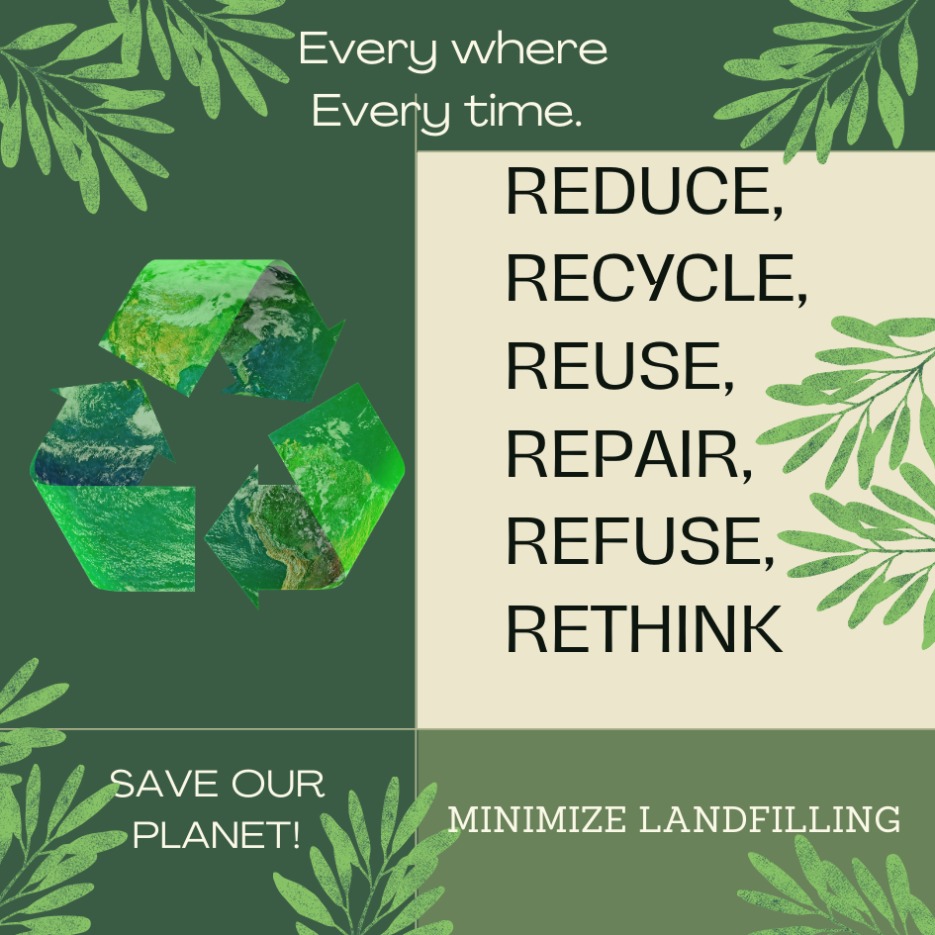
Your Guide to the 6 R's of Clothing Fast fashion reigns, but its impact on our planet and wallets leaves much to be desired. Here's where the 6 R's of clothing come in, offering a roadmap to a more conscious, stylish and sustainable wardrobe. 1. Rethink: Before buying, challenge yourself. Do I truly need this? Does it align with my style and values? Can I borrow, rent, or buy pre-loved? Alternatives exist! Is it ethically made and sustainably produced? Research matters. 2. Refuse: Say NO to, Impulse buys: Breathe before buying. Is this fleeting fancy or lasting love? Cheap trends: Quality over quantity! Trends fade, but classics stay. Unethical practices: Support brands that align with your values. 3. Repair: Don't toss, fix! Learn basic mending: YouTube tutorials are your friends! Support local tailors: They work magic with needle and threads. Embrace imperfections: A patch or visible repair tells a story. 4. Reduce: Build a capsule wardrobe. Invest in versatile staples: Mix and match for endless outfits. Declutter regularly: Donate or sell what you no longer wear. Choose timeless styles: Trends come and go, but classics never die. 5. Reuse: Give clothes a second life. Swap with friends: Organize a clothing swap party! Get creative: Upcycle old clothes into bags, accessories, or home decor. Sell or donate: Give pre-loved pieces a new home and support others. 6. Recycle: When clothes reach their end, recycle responsibly. Check for textile recycling programs: Look for drop-off centers or specific brands with initiatives. Choose brands with closed-loop systems: They turn old clothes into new products. Support initiatives that recycle textiles into useful materials. Spread the Love: Share your sustainable fashion journey, DIY upcycling projects, and thrifting finds. Inspire others to rethink, refuse, repair, reduce, reuse, and recycle their way to a more conscious closet. Remember, small changes collectively create a big impact! This blog can be your platform to empower others to dress with a conscience. At TinyKiddo we provide pure cotton clothing which is eco-friendly and long lasting. Let's move beyond just trends and embrace a sustainable fashion future, one mindful choice at a time. What are you waiting for? Start your sustainable fashion journey today!
20 Feb 2024
Innovations in Baby Clothing
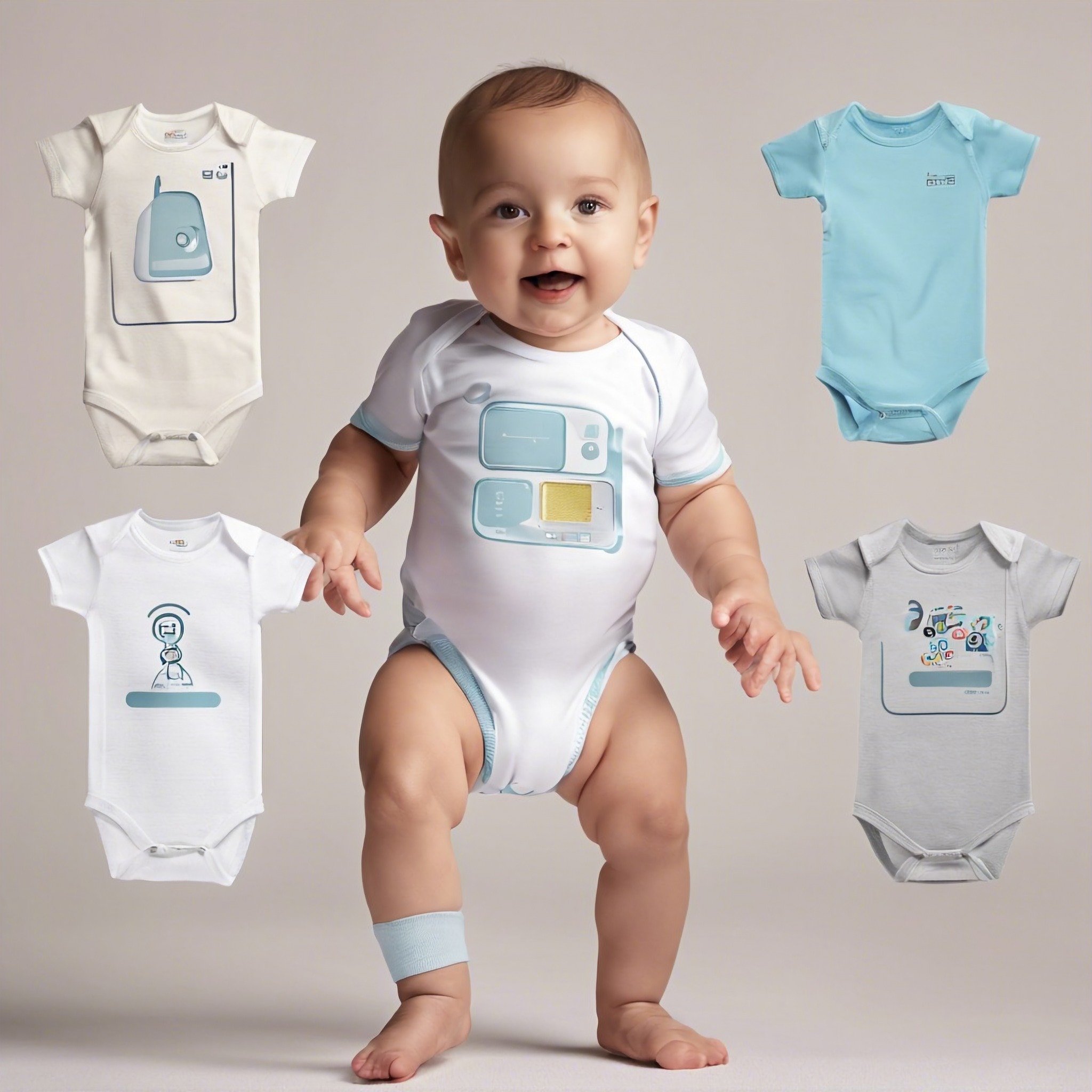
Once upon a time, baby clothes were simply cute, practical, and outgrown faster than you could blink. But times are changing! The world of baby clothing is undergoing a fascinating transformation, where technology and innovation are merging with adorable outfits to create a whole new experience for both parents and tots. Buckle up, parents, because this is about to get exciting! 1. Smart Textiles & Wearable Tech: Imagine clothes that monitor your baby's temperature, heart rate, or sleep patterns, offering peace of mind and valuable insights. Brands like Owlet and Nanit are leading the charge with smart socks and bodysuits that connect to apps, providing real-time data and alerts. This technology can be especially helpful for new parents or babies with specific needs. 2. Sustainable & Eco-Friendly Fabrics: Conscious parents are increasingly opting for organic cotton, bamboo, and recycled materials that are gentle on both baby's skin and the planet. Innovative brands are even exploring natural dyes and water-saving production processes to minimize their environmental impact. 3. Adjustable & Convertible Designs: Say goodbye to mountains of outgrown clothes! Clever designs like convertible rompers, extendable sleeves, and adjustable waistbands allow garments to adapt to your baby's growth spurts, extending their lifespan and reducing waste. This is both budget-friendly and environmentally responsible. 4. Safety-Focused Innovations: From flame-retardant fabrics to hidden zippers and magnetic closures that prevent choking hazards, safety is paramount in innovative baby clothing. Look for brands that prioritize safety certifications and incorporate thoughtful design elements to protect your little one. 5. Gender-Neutral & Inclusive Styles: Gone are the days of pink for girls and blue for boys. Today, gender-neutral clothing options are exploding in popularity, offering a wider variety of colors, patterns, and styles that cater to diverse preferences and celebrate individuality. 6. Playful & Educational Features: Beyond being adorable, some baby clothes are incorporating interactive elements that stimulate learning and development. Think onesies with built-in sensory textures, books attached to bibs, or even onesies that track movement and play interactive games. The Future of Baby Clothing This is just the beginning! As technology advances, we can expect even more innovative features like self-cleaning clothes, UV protection integrated into fabrics, or personalized recommendations based on your baby's unique needs. The future of baby clothing is exciting, promising a blend of comfort, convenience, safety, and fun for the tiniest members of our society. The demand for eco-friendly materials is growing. Brands like TinyKiddo is becoming increasingly popular, offering soft, gentle options for delicate skin while minimizing environmental impact. What are your thoughts on these innovations? Are there any specific features you'd love to see in baby clothes? Share your ideas in the comments below!
23 Feb 2024