Baby Tips
5 articles on baby tips from TinyKiddo — pure cotton baby clothing made in Visakhapatnam.
Selecting Size for Newborns & Toddlers
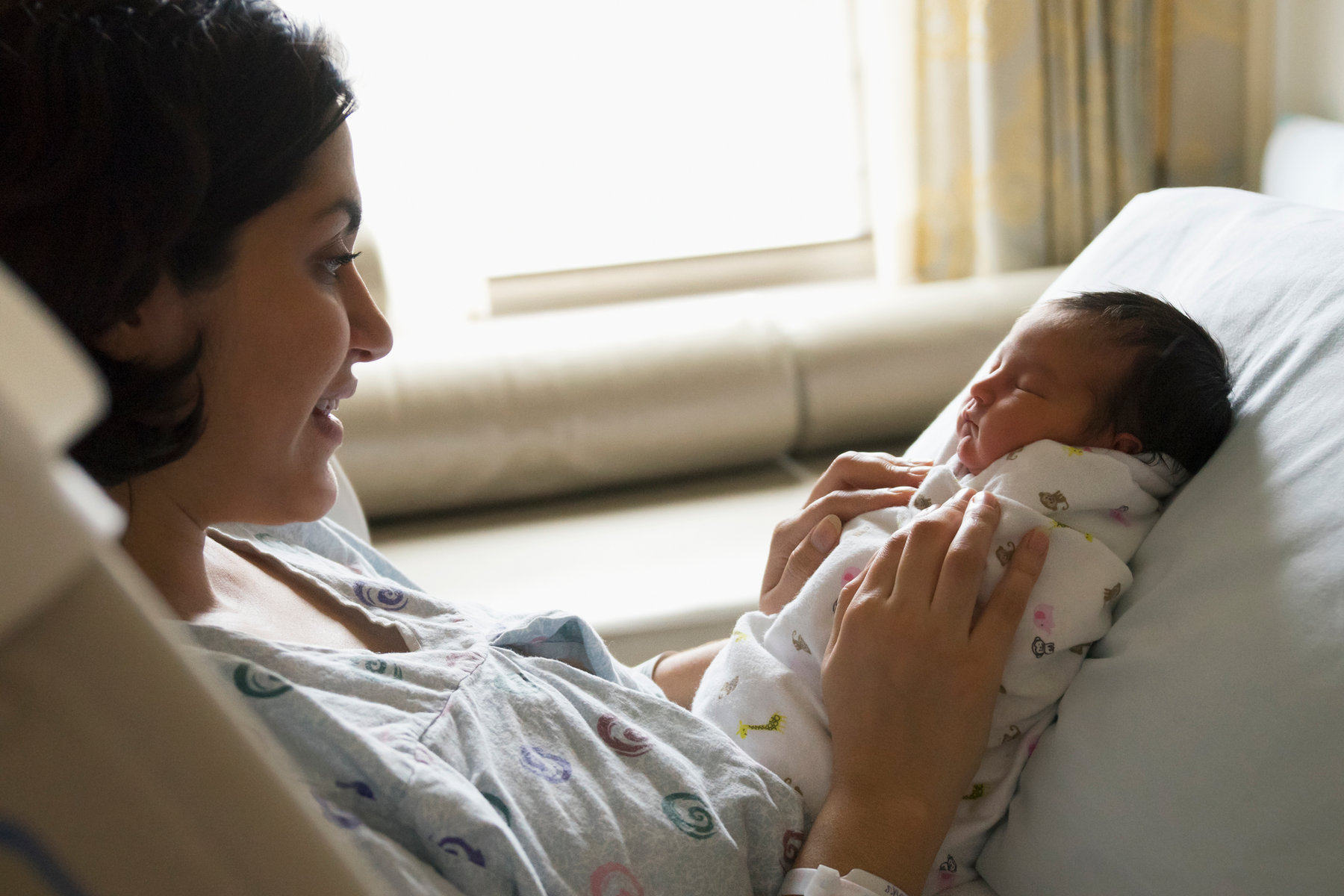
Dressing your child is such a joy!! Finding the perfect fit, however, can seem like a challenging problem in the countless adorable outfits and your adorable baby's always increasing size. Do not fear, We are here. Whether you are inexperienced or experienced parents! In order to make sure your child is warm, comfortable, and fashionable, this guide will assist you in navigating the world of baby clothing sizing. Knowing Infant Size Systems: Baby clothes, in contrast to adult apparel, are usually sized according to an age range or a mix of weight and height. The most popular systems are broken down as follows: Age Range: General age range tags will be like Newborn (Nb), 0-3 months, 3-6 months, 6-9 months, 9-12 months and 1-2 years, 2-3 years and so on.. Although babies develop at varying rates, this is a broad guideline for your reference. Birth: A full-term infant typically weighs between 3.2 and 3.4 kg at birth. At birth, boys are typically a little heavier than girls. 1 Month: Most babies will have gained back their birth weight and be gradually gaining weight by the time they are one month old. 28 grams, can be gained by them each day. 2 Months: Babies usually weigh between 4.3 and 5.3 kg at 2 months of age. 3 Months: Babies typically weigh about 6 kg at 3 months. 4 Months: Most babies weigh about 6.6 kg at 4 months of age. 5 Months: Babies usually weigh approximately 7.2 kg at 5 months of age. This is frequently regarded as twice their birth weight. 6 Months: Most babies weigh between 7.5 and 7.9 kg at six months of age. 9 Months: Babies usually weigh about 8.5 kg at 9 months of age. 12 months: Most infants weigh between 9 and 10 kg when they turn 1 year old. It's essential to keep in mind that this is just a basic guide. Each infant grows at a different rate. A baby's weight can be influenced by an array of factors, including nutrition, genetics, and general health. Beyond Weight and Age: Keep in mind that every baby grows at their own speed, even if age and weight are good places to start. Lets look through these: Height: This method provides a more accurate approach to clothing selection. Look for height ranges listed on the size chart of the specific brand you're shopping from. You can measurer your baby height with the help of a measuring tape. Keeping track of these statistics helps you while consulting doctor for general check-ups also. Body Type: Body type is how baby looks like. Please do remember, every infant is unique. While some newborns are thinner, and some are chubby. Is your child short and stocky, or tall and lean? To ensure a more liberal fit, go for a size larger. Look for adjustable features like waistbands or knots for a more customized fit. Diaper Factor: Do remember this factor while choosing clothes for your baby. Babies often wear diapers, which makes them bulky! Keep it in mind, get some clothes with an elastic waistband or a looser fit to accommodate thicker diapers. Tighter pants cause rashes and discomfort for babies. Read Reviews: Look up parent reviews online. These might offer enlightening details regarding the suitability of particular designs or manufacturers. If you're not sure, measure your baby: Measure your baby's height and weight and compare it to the size listed on the label if you're unsure which size to choose. When shopping in person, bring your baby along to try on clothes. This is especially helpful when your baby is between sizes or has a unique build. Recall that comfort is essential! The most crucial factor is that your child should be at ease wearing their clothes. Try not to worry too much about getting the ideal, photo-perfect appearance. Select supple, airy materials that facilitate effortless mobility, and put your comfort first above everything else. You can achieve this easily with the help of TinyKiddo, where we get all the essential clothing for Newborns and Toddlers. Our Pure Cotton dresses will provide the much needed Comfort for your baby. With this guide and a little practice, you'll be a baby clothes sizing pro in no time! Now go forth and conquer that adorable clothing rack, knowing you'll pick out the perfect fit for your precious little one. We mastered in Sizing guide, always be here to suggest you to the correct fit of your baby. What are your experiences with sizing guide while shopping for your babies? Share your tips and tricks in the comments below!
5 Mar 2024

Color Choices in Baby Clothing
In our day-to-day lives, color has a big impact on our feelings, attitudes, and actions. The colors used in infant clothes can have a significant effect on their growth and general wellbeing. This blog will examine the psychology of baby clothes hues and the ways in which various hues might affect an infant's development and growth. Importance of colors in baby clothing : The colors of baby clothing are not just a matter of aesthetics; they play a crucial role in stimulating the senses and shaping the perception of the world for infants. Babies are naturally drawn to bright and bold colors, which can capture their attention and promote cognitive development. Infants' sense of color : Despite having less developed color vision than adults, infants can recognize colors from a very young age. According to research, babies are able to discriminate between various colors, preferring ones with strong contrast, like black and white. Babies learn to distinguish between different hues as they become older, and this capacity can elicit distinct emotions. Primary hues like red, blue, and yellow, which can elicit strong emotional reactions and drive brain activity, are especially sensitive to them. The effects of various colors on a baby's development : For newborns, every color has a different psychological impact. For instance, refreshing colors like blue and green can have a calming and soothing effect on babies, while bright colors like red and orange may stimulate and excitement in them. Because of their relaxing qualities, pastel colors are perfect for creating a peaceful atmosphere for infants. On the other side, contrasting colors like Red and Yellow can help babies' cognitive development and visual acuity. Parents may give their infants a loving and stimulating environment by knowing the effects of various colors. Color associations and gender stereotypes : For a child's growth, it can be helpful to get away from the assumptions that suggest pink is meant for girls and blue is for boys. To explore a greater variety of coloration. As we discussed earlier, because of their relaxing characteristics, pastel colors and contrasting colors like Red and Yellow can help babies' cognitive development and visual acuity. By incorporating these colors into baby clothing and nursery décor, parents can create a stimulating environment that encourages exploration and creativity. Cultural effects on color choices : Cultural heritage might also have an impact on color preferences for baby clothing. For instance, white is customarily worn by babies in some cultures to represent innocence and purity as their custom, while bright and vivid colors are favored in others to honor life and vigor. The role parents play in choosing colors for their infants : Parents are very important when it comes to choosing colors for baby outfits. Knowing the psychological effects of color and how they affect development can help parents make well-informed decisions that support their child's growth and wellbeing. Combining different hues can encourage creativity and imagination, while incorporating opposing colors can help a newborn develop their visual acuity. Growing numbers of parents are choosing earthy and organic hues for their children as the value of sustainability and environmental friendliness increases. Common misconceptions about colors and baby development : There are a number of myths regarding how colors affect a baby's development. For example, some people think that a given color is exclusively appropriate for a specific gender or age group. Or that the color black is unlucky for infants. To assist newborns' holistic development, it is imperative to dispel these myths and celebrate the diversity of colors. The psychology of baby clothes hues emphasizes how vital colors are for fostering a baby's growth and wellbeing. Parents who are aware of the effects of various colors can make decisions that promote their child's development and foster a stimulating and caring atmosphere. Parents can encourage their babies to explore the world with open minds and lively imaginations by appreciating the range of colors and dispelling preconceptions. At Tinykiddo, we did our research about all these key points and designed every print and color with utmost care. So, next time you're picking out that adorable onesie or tiny pair of shirts and shorts, consider the color choices and the impact they may have on your little one's journey of growth and discovery.
7 Mar 2024
9 Essential Tips for Packing Baby Clothes
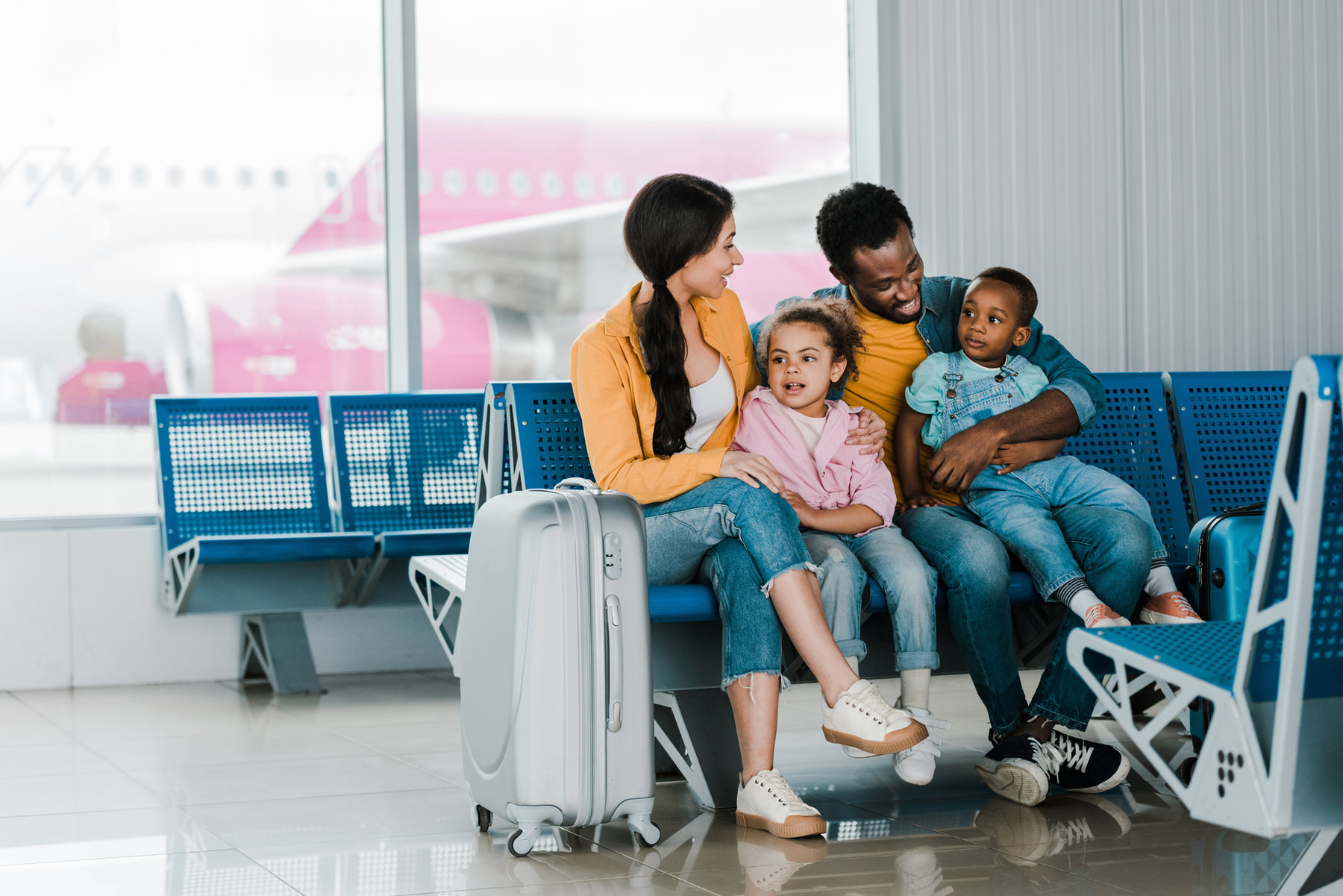
Travelling with the baby? There are benefits and problems while traveling with babies. Out of all general things to pack about, remembering to pack the ideal outfit for your child is essential. Your baby's outfit selection is crucial to a hassle-free travel, whether it's a quick trip nearby or a lengthy flight to a far-off place. Choosing pure cotton and organic baby clothes will make a big difference in your baby's comfort and wellbeing while they travel. Let's explore how to become an expert at packing for your infant so that you're prepared for any journey that may come up. 1. Knowing the Basics of Baby Travel Clothes: The main things to consider when preparing for your baby's trip are the clothing's ease of use, flexibility, and simplicity. Choose clothing that is easy to put on and take off and is soft on the baby's skin; here is where organic baby clothes flourish. TinyKiddo's all-natural, Pure Cotton, chemical-free formula is kind to sensitive skin, giving parents peace of mind regarding their child's comfort when traveling. Furthermore, wearing garments that adapts to changing temperatures will guarantee that your kid is comfortable no matter how the weather changes. Because of their natural softness and breathability, organic materials—especially pure cotton—are great options for your baby's travel attire. Putting an emphasis on these materials promotes environmentally conscious methods while also putting your baby's comfort first. 2. Be prepared for the Weather and Activities: It's critical to become familiar with the anticipated weather and scheduled activities at your destination before starting the packing process. This foreknowledge makes it possible to choose your baby's clothes with more accuracy. Pure cotton is a great option for lightweight, breathable fabrics that will keep your infant cool and comfortable when traveling to places with lots of sunshine and warmth. On the other hand, if you want to travel to a chilled area, choose clothing that is easy to layer and adjust to changing temperatures. These could be bodysuits with long sleeves or thin jackets that provide warmth without adding bulk. Take into account any particular activities you have in mind as well, such hikes or trips to the beach, which can call for specific apparel, like swimwear or more durable clothing. Remember that the objective is to provide your child with clothing that is appropriate for the weather and adaptable enough to accompany you on any adventure. This well-thought-out plan guarantees your baby's comfort, enabling the entire family to thoroughly relish the journey. 3. Choose Pure Cotton for Effortless Comfort: There are numerous benefits of 100% pure cotton for your baby's travel attire, all of which directly benefit babies overall comfort and well-being. This natural fiber is highly regarded for its exceptional softness and hypoallergenic properties, which makes it ideal for the sensitive skin of newborns and young children. For families on the go, cotton's stain resistance is a huge bonus because clothes made of this material can withstand several washings, which are a crucial aspect while traveling with a baby. Moreover, cotton's inherent capacity to breathe helps regulate your baby's body temperature, keeping them cozy in the winter and warm in the summer. Cotton clothing is incredibly easy to maintain; it can be cleaned by hand or in a machine, dries quickly, and is ready for further exploration the following day. This is a boon for parents who are often on the go. Choosing cotton dresses for your kids will guarantee that they are content and at ease on any trip. This is so because materials made of pure cotton are good at comfort and functionality. 4. How Many Clothes to Pack for Your Infant: How many clothes your infant should have depends on a few important factors, such as how long your vacation will take and whether or not there will be laundry facilities where you will be staying. Taking into mind one or two clothes per day is a reasonable guideline. This collection keeps your luggage manageable while accommodating the unpredictable nature of newborn messes. It helps to pack a few extra clothes as a safety net in case of unanticipated events like delays or changes in the weather. You can err on the side of less if you plan to have access to washing facilities, which will allow you to wash and reuse clothes as needed. This approach not only lightens your load but also ensures that your baby has a fresh, clean set of clothes available throughout the trip. Packing efficiently involves balancing preparedness with practicality, enabling you and your baby to navigate travel adventures comfortably and stress-free. 5. Crucial Types of Clothing for Your Infant's Travel Bag: Packing your baby's suitcase with the essentials for a smooth and comfortable trip is important. Begin by acquiring a couple of bodysuits that are adaptable and ideal for layering or fast diaper changes. To ensure restful nights when traveling, wear cozy pajamas. It's imperative to pack hats to guard against the sun or the cold, depending on where you're going, and booties or socks to keep their feet warm. Wearing a swimsuit is mandatory for any water-based activity. In order to effortlessly adjust the temperature in areas with air conditioning or fluctuating weather, always carry lightweight coats or sweaters as outer layers. Pack a couple special outfits for any family photos or special events you may have while visiting. All of these things guarantee that your infant is ready for any situation that may arise, which enhances the enjoyment of your trip for all parties. 6. Organizing Your Baby's Clothes with Proper Packing: Using a thoughtful packing strategy is essential to keeping your baby's clothes organized and easily accessible while you're on the road. Organize your baby's clothes by category, such as everyday wear, sleepwear, and special occasion wear, by using packing cubes. This strategy makes it easier to find specific products when needed, and it also speeds up the packaging process. Furthermore, rolling your baby's clothes rather than folding them can make all the difference in the world because it maximizes suitcase space, reduces wrinkles, and keeps the clothing in a new shape. To further make your organization easier, think about attaching tags with the contents to each packing bag. This will help you find what you're looking for much faster. Always dedicate a separate, easily accessible pouch or bag for clothes that need laundry, to avoid mixing worn clothes with fresh ones. This approach to packing not only keeps your baby's clothing neatly organized but also makes managing wardrobe changes on the go more manageable, ensuring a smoother travel experience for you and your little one. 7. Handling slips, falls and Diapers While Traveling Having a well-planned approach is crucial for handling diaper changes and unplanned accidents while traveling. Make sure you include enough diapers for the duration of your trip plus an additional supply in case of unanticipated delays or restricted access to stores. For quick and hygienic diaper changes in a variety of circumstances, wet wipes and a folding, waterproof changing pad are essential. To keep your diaper bag fresh and odor-free, use disposable bags for thrown-away diapers or to store garments that have been soiled or spilled. Furthermore, arranging a change of clothes at the top of your daypack or carry-on bag enables quick access in the event of spills or accidents, reducing stress and pain for both you and your infant. This proactive approach to diaper changes and mishaps keeps your infant comfortable while also guaranteeing a happier and less stressful travel experience for the whole family. 8. The Advantages of Baby Clothes Layering for Travel: Layering your baby's clothing allows them to easily transition from indoor to outdoor settings while maintaining comfort on-the-go. With this method, you may quickly modify the temperature to suit your baby's comfort level or the present temperature. Start with a snug bodysuit made of organic cotton that fits comfortably against your baby's skin as a soft, breathable foundation layer. In order to add extra warmth without becoming too hot, layer something light and made of pure cotton over this. A versatile item, such as a jacket or sweater, that can be quickly removed to accommodate changing weather conditions should make up the top layer. Layered approach is especially beneficial during travel, where temperatures can vary significantly between transit hubs, vehicles, and the final destination. By layering, you ensure your baby stays cozy, avoiding the discomfort of being too hot or too cold, which can be a game-changer in maintaining a smooth travel experience for both your baby and you. 9. Where to Find High-Quality Organic Baby Clothing and Pure Cotton Garments: Discovering top-tier organic baby clothing and pure cotton pieces for your little traveler is simpler than ever in today’s eco-conscious market. TinyKiddo, provides both online and physical store, offer expansive collections, catering to parents seeking sustainable, gentle options for their infants. Start by exploring our brand agendas that commit to ethical sourcing and handmade manufacturing, with complete chemical free dyes, ensuring that your purchase supports responsible practices. Additionally, consider visiting TinyKiddo- eco-friendly baby and children’s clothing store which can be great opportunities to see, touch, and evaluate products firsthand before making a purchase. TinyKiddo, promises you’ll find a wealth of organic and pure cotton baby clothing that gives comfort, style, and a reduced environmental footprint. When the time of your trip draws near, a thorough checklist will be your greatest ally in making sure nothing is overlooked. To ensure that your packing decisions are not impacted by last-minute adjustments, double-check the weather forecast. Check the amenities offered by your lodging to see if you may bring lighter luggage. Are there washing facilities? Check your schedule carefully; does it match the clothes and equipment you have planned for your infant? This last check-in gives you the chance to tweak and polish your packing list so that it properly suits your baby's needs for convenience and comfort on the journey. By keeping this checklist in mind, you may approach the pre-travel planning with assurance, knowing that you've taken into account every necessary detail for a hassle-free and joyful trip with your child.
8 Mar 2024
Protecting Your Babys Delicate Skin
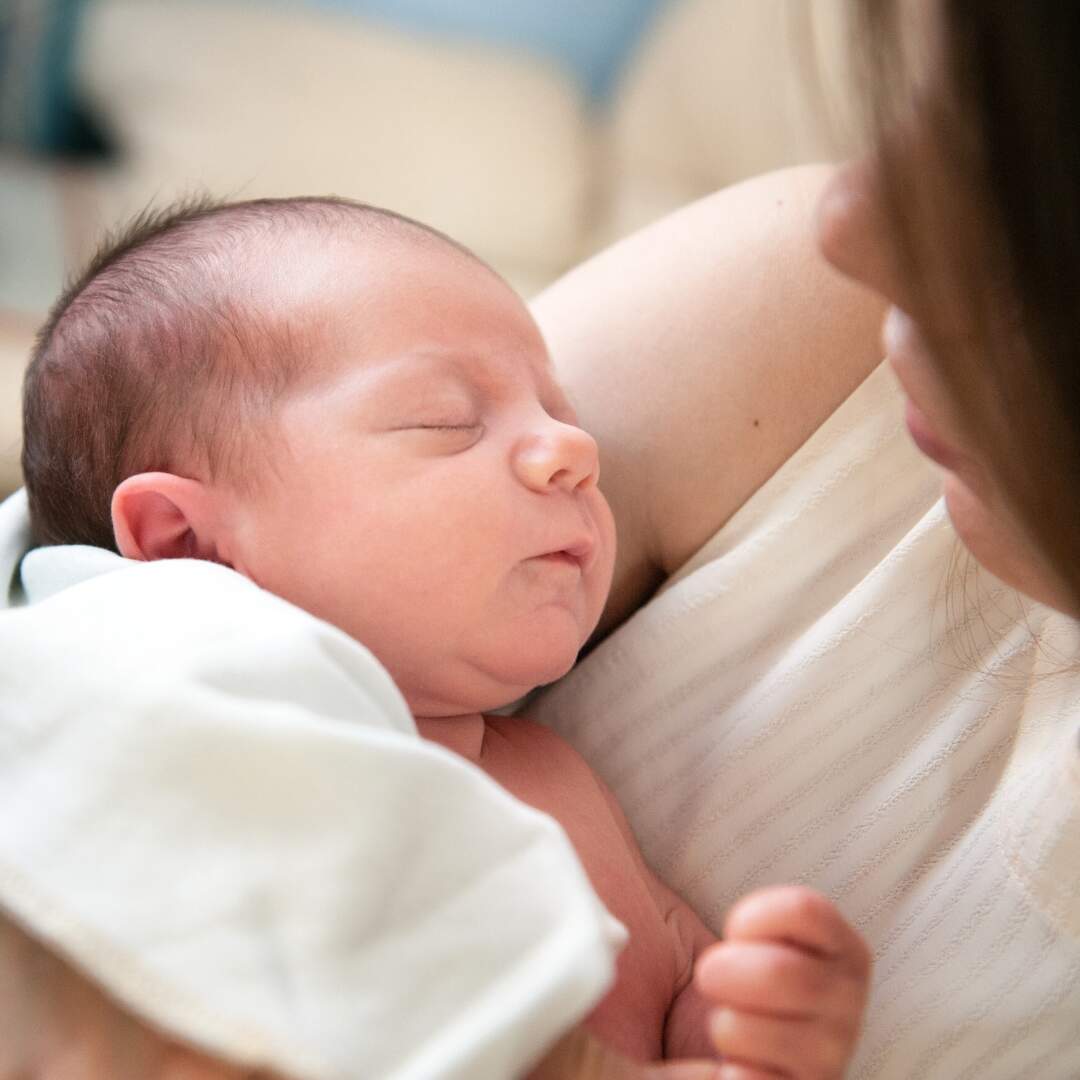
A new baby's arrival is a wonderful occasion that is full of amazement and delight. Protecting our child's sensitive skin is one of the many duties that come with being a parent. Babies' skin is extremely sensitive, therefore they need additional attention and care. We'll explore the special characteristics of newborn skin, typical worries, and crucial advice for maintaining its health in this blog post. Comprehending Baby Skin: There are unique features that distinguish baby skin from adult skin. Its remarkably small profile, maybe the most noticeable distinction. Because newborn skin is roughly 30% thinner than that of adults, it is more vulnerable to allergies, the environment, and outside irritants. Its thinness also means it's more porous, allowing for easier absorption of chemicals. Additionally, baby skin has fewer oil glands, resulting in lower moisture levels and increased vulnerability to irritation and dryness. Babies can experience various skin issues despite their soft and smooth skin. Some common concerns include: 1.Diaper Rash: It's quite common for babies to develop red and inflamed patches on their buttocks and genital area, known as diaper rash. This usually happens when their skin is exposed to moisture, urine, and feces for extended periods, leading to irritation and discomfort. 2. Eczema (Atopic Dermatitis): This is a chronic skin condition that causes dryness, itching, and inflammation. Babies with eczema may have red, itchy patches on their face, elbows, knees, and other parts of their body, causing them distress and discomfort. 3. Cradle Cap: Yellowish, oily crusts or scales on a baby's head are the typical characteristic of this frequent scalp ailment. Cradle cap is harmless, but it might look ugly and make your infant uncomfortable or itch. 4. Baby acne: Baby acne is the term used to describe the little red or white pimples that many babies get on their faces. Maternal hormones are the source of this transient ailment, which usually goes away on its own in a few weeks. 5. Heat Rash: Red, prickly pimples or blisters on the skin's surface are caused by sweat getting stuck in the sweat ducts. It is typical in warm, humid settings and may cause discomfort for your infant. Crucial Tips for Maintaining the Health of Your Baby's Skin: Using mild skincare procedures is essential to maintaining the safety and health of infant skin, as it is extremely delicate. The following are some essential pointers to assist you in caring after your child's skin: 1.Choose Mild Products: Go for soft, hypoallergenic skincare products made just for babies. To lessen the possibility of allergic reactions and skin irritation, these items should be devoid of harsh chemicals, scents, and dyes. 2. Maintain Dry and Clean Skin: Make sure to bathe your baby on a regular basis with lukewarm water and a gentle baby cleanser. Use a soft towel to gently pat dry the skin after bathing, paying specific attention to any creases or folds where moisture may collect. 3. Regularly Moisturize: After giving your kid a bath, dab on a hypoallergenic, fragrance-free moisturizer. This keeps your baby's skin hydrated and smooth by preventing dryness and locking in moisture, especially on sensitive areas like the knees, elbows, and cheeks. 4. Put on comfortable clothing: For your infant, choose clothing that is airy and loose-fitting; ideally, it should be made of natural, soft materials like cotton. Steer clear of tight clothing and abrasive materials that could irritate your skin by rubbing against it. Wear layers on your baby so you can easily adjust to maintain a comfortable temperature. 5. Frequently Change Diapers: Change your baby's diaper frequently, especially after they eat or have a bowel movement, to keep the diaper region clean and dry. To help prevent diaper rash, apply a light diaper cream or ointment to form a barrier against moisture and discomfort. 6. Protect from the Sun: Be mindful of your baby's delicate skin when you're outside in the sun. Put on light, long-sleeved clothing and protect them from damaging UV radiation with a wide-brimmed hat. If you can't escape the sun during the warmest portion of the day, cover any exposed skin with SPF 30 or higher of a baby-safe sunscreen. In conclusion, to maintain its health and safety, your baby's skin requires little care and attention. By finding products that are ideal for your child's skin type and following some fundamental skincare recommendations, you can contribute to their comfort and happiness. If you are worried about your baby's skin, it's never too late to see a doctor or dermatologist. Buy organic baby clothes from tinykiddo for the best selection. Our selection of infant clothing is created from organic cotton and colored with azo-free dyes, guaranteeing your child's maximum safety and comfort. Handmade with love, our clothing is not only gentle on your baby's skin but also on the environment. Don't miss out on giving your child the comfort they deserve—explore our collection today! Savor these precious moments with your child and cherish the time you spend parenting them.
28 Mar 2024
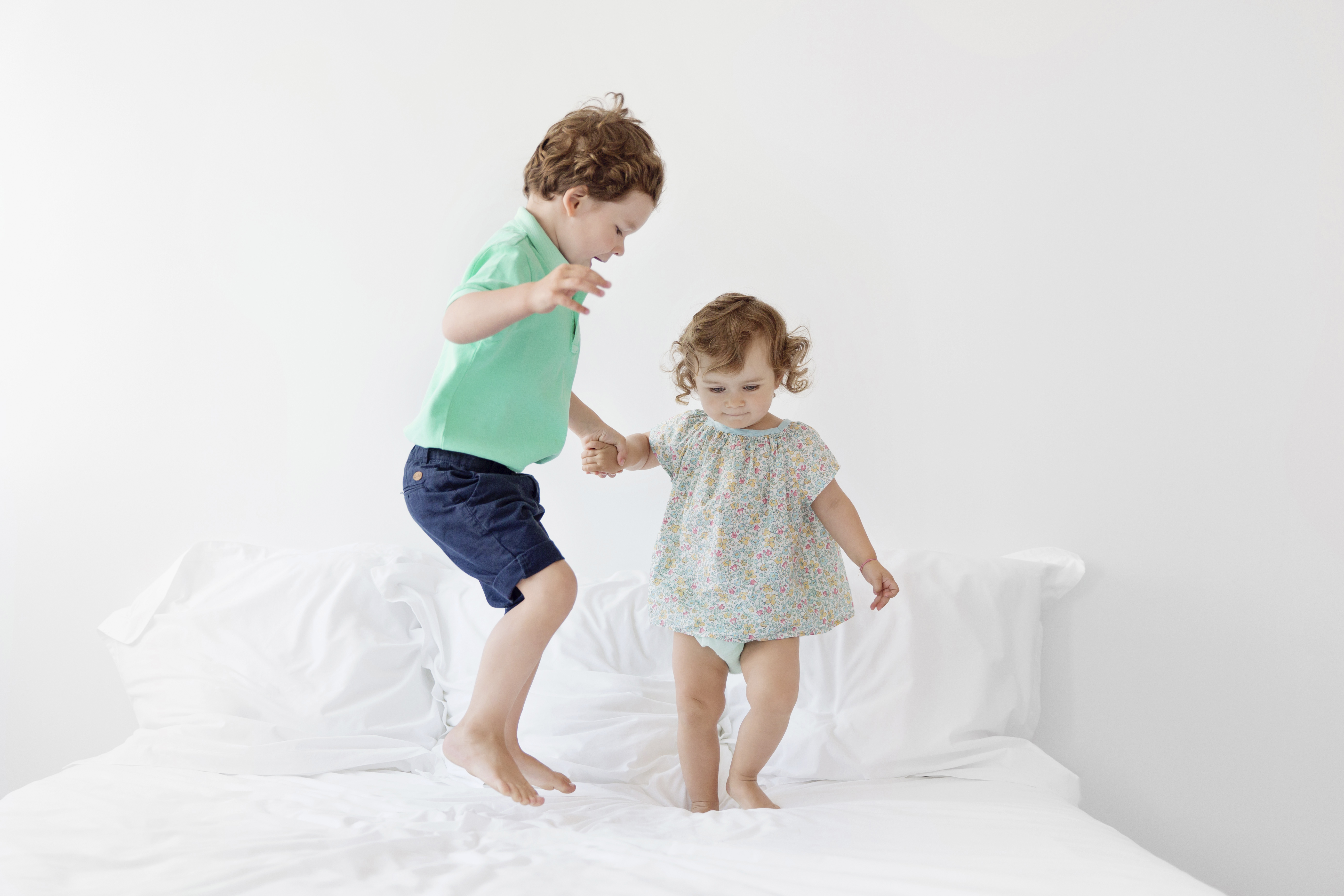
Dressing Disasters and Delights
Ah, the world of dressing kids. It's a land of vibrant colors, imaginative outfits, and... well, sometimes, epic meltdowns. As parents, we navigate a constant dance between expressing our little ones' unique personalities and getting them out the door in one piece (and preferably not mismatched socks). But amidst the chaos, there's also a surprising amount of joy and discovery. So, let's delve into the rollercoaster ride that is dressing our kids, exploring both the delightful and the daunting. The Joyful Side: 1. Unleashing creativity: Remember that time your 4-year-old insisted on wearing a superhero cape to the park? Or your 8-year-old paired a tutu with a dinosaur t-shirt? These moments, where their imaginations run wild, are pure gold. Embrace the silliness and let them express themselves through fashion! 2. Building confidence: When children feel comfortable and confident in their clothing choices, it positively impacts their self-expression and overall well-being. Clothes that fit properly and align with their personal style empower them to express themselves authentically and embrace their individuality. This boost in confidence not only enhances their sense of self but also fosters a positive attitude towards self-expression and creativity. 3. Bonding moments: Shopping trips, outfit planning sessions, and even those "help me untangle this!" moments can be fun bonding experiences. Turn it into a game, let them choose age-appropriate options, and enjoy the laughter and shared decision-making. 4. Teaching life skills: Dressing themselves is a valuable life skill. By gradually giving them more independence, we help them develop fine motor skills, problem-solving abilities, and a sense of responsibility. The Challenging Side: 1. The ever-changing preferences: As kids grow, their interests evolve rapidly, often shifting from princesses to superheroes and beyond in the blink of an eye. This constant change can pose a challenge for parents trying to keep up with their children's preferences, both in terms of staying current and managing the associated expenses. Finding creative ways to adapt, such as swapping toys and clothes with other parents or opting for versatile, timeless pieces, can help navigate this dynamic phase more affordably. 2. The battle of wills: Indeed, mornings can sometimes become battlegrounds when children insist on wearing only pajamas to school, challenging our patience and resolve. These power struggles may feel exasperating, but they also offer opportunities for understanding and compromise, fostering a sense of independence and autonomy in our children while teaching valuable lessons about responsibility and respect for rules. Navigating these moments with empathy and flexibility can strengthen the parent-child bond and promote positive communication within the family. 3. The laundry mountain: As a parent, the laundry basket seems to constantly overflow with spills, grass stains, and mysterious sticky patches courtesy of little ones. With their boundless energy and curious nature, keeping up with frequent washing and drying cycles becomes a daily routine. However, amidst the chaos, there's a sense of fulfillment in knowing that each cleaned garment represents another adventure or learning moment for your children. 4. The pressure to conform: Whether it's school dress codes or societal expectations, navigating the pressure to dress our kids in a certain way can be tricky. Finding the balance between individuality and fitting in can be a delicate dance. Tips for Navigating the Chaos: 1. Focus on comfort and practicality: Kids need clothes they can move and play in. Prioritize comfort over trends, and choose durable fabrics that can withstand their active lifestyles. 2. Let them have some choices: Offer age-appropriate options and let them make some decisions. This fosters independence and reduces morning meltdowns. 3. Stock up on basics: Invest in a few well-made, versatile pieces that can be mixed and matched to create multiple outfits. 4. Embrace the hand-me-downs: Don't be afraid to accept hand-me-downs from friends and family. It's a sustainable and budget-friendly way to keep your kids' wardrobes stocked. Most importantly, have fun! Don't take it too seriously. Enjoy the silliness, the creativity, and the unique personalities that your kids express through their clothes. Remember, dressing kids is a journey, not a destination. There will be messy moments, tantrums, and laundry mountains, but there will also be laughter, joy, and a glimpse into their wonderful, ever-evolving personalities. So, let's embrace the chaos, celebrate their individuality, and enjoy the ride together with TinyKiddo! What are your experiences with dressing your kids? Share your joys, challenges, and tips in the comments below!
22 Feb 2024