Organic Cotton
7 articles on organic cotton from TinyKiddo — pure cotton baby clothing made in Visakhapatnam.
Organic or Conventional Cotton?
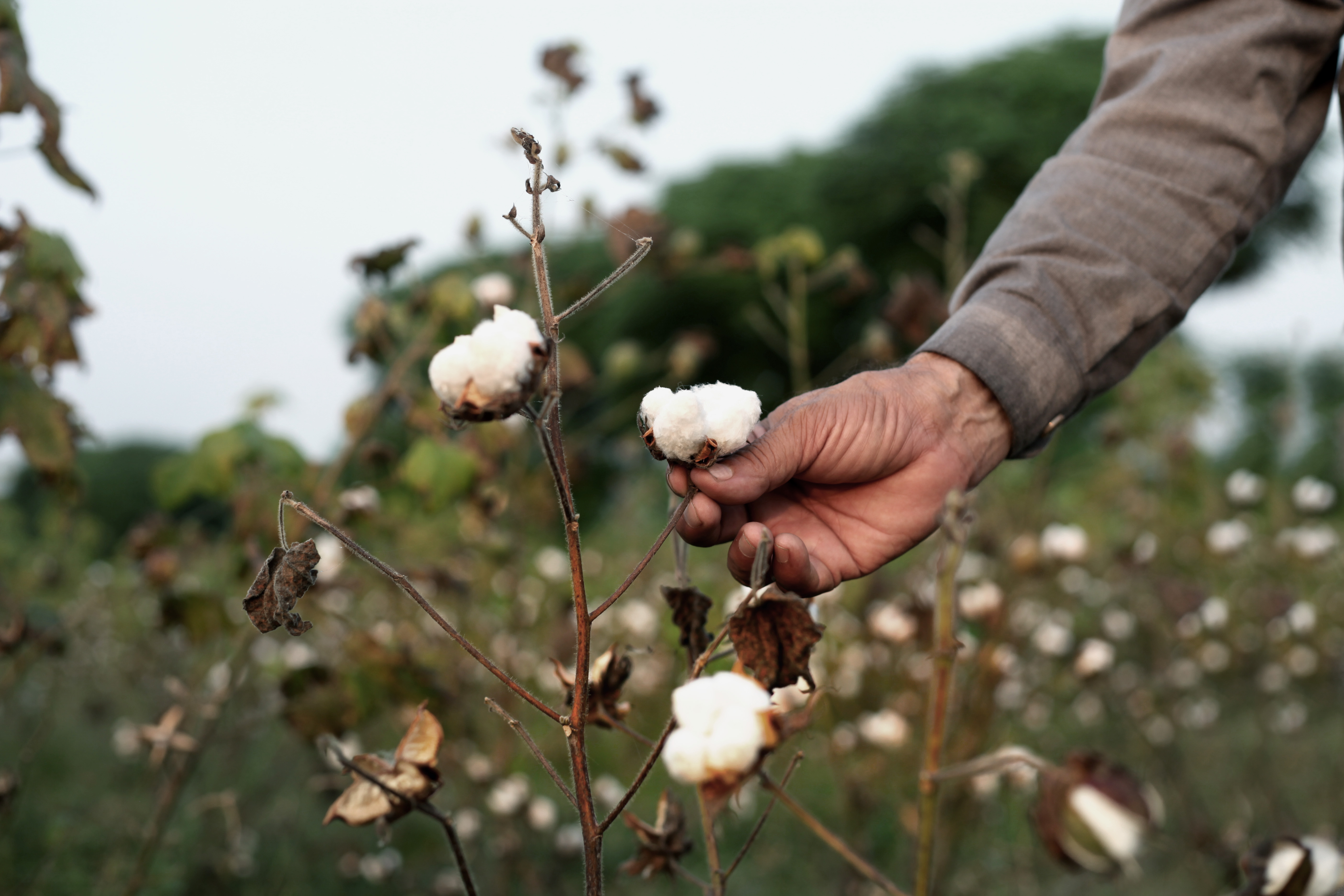
In the world of textiles, cotton reigns supreme as one of the most widely used and versatile materials. However, not all cotton is created equal. Two major categories dominate the cotton market: conventional cotton and organic cotton. While they may seem similar at first glance, a closer examination reveals significant differences in their production methods, environmental impact, and overall quality. Conventional Cotton: Conventional cotton, also known as conventional or non-organic cotton, is the most commonly grown type of cotton worldwide. Its production relies heavily on synthetic pesticides, fertilizers, and genetically modified seeds to maximize yields. These chemicals contribute to soil degradation, water pollution, and health risks for farmers and surrounding communities. Furthermore, conventional cotton farming typically involves intensive irrigation, leading to high water usage and strain on local water resources. The cultivation process often involves monocropping, which depletes soil nutrients and increases the risk of pest outbreaks, necessitating even more chemical inputs. From a quality perspective, conventional cotton may contain traces of synthetic chemicals, which can cause skin irritation or allergic reactions in some individuals. Additionally, the use of genetically modified organisms (GMOs) in conventional cotton production raises concerns about biodiversity and long-term ecological consequences. Organic Cotton: In contrast, organic cotton is cultivated using methods that prioritize environmental sustainability, biodiversity, and social responsibility. Organic cotton farming prohibits the use of synthetic pesticides, fertilizers, and GMOs, relying instead on natural alternatives like crop rotation, beneficial insects, and organic compost. By eschewing harmful chemicals, organic cotton farming promotes soil health and fertility, reduces water consumption, and minimizes the exposure of farmers and communities to toxic substances. Additionally, organic cotton cultivation encourages biodiversity by supporting diverse ecosystems and preserving native plant and animal species. In terms of quality, organic cotton is often softer, more breathable, and hypoallergenic compared to conventional cotton. Its production methods ensure that the final product is free from harmful residues, making it an ideal choice for individuals with sensitive skin or allergies. Making Informed Choices: As consumers become increasingly aware of the environmental and social impact of their purchasing decisions, the demand for organic cotton continues to grow. Many clothing brands and retailers now offer organic cotton options, providing consumers with eco-friendly alternatives to conventional cotton products. While organic cotton may come with a slightly higher price tag due to its production costs, its long-term benefits for the environment, human health, and overall quality make it a worthwhile investment. By supporting organic cotton cultivation, consumers can contribute to a more sustainable and ethical textile industry while enjoying products that are safer and more comfortable. In conclusion, the choice between conventional cotton and organic cotton goes beyond mere fabric preference. It reflects our values as consumers and stewards of the planet. By opting for organic cotton whenever possible, we can help cultivate a brighter, greener future for generations to come.
3 Mar 2024
Why Organic Cotton is Better for Babies
Gentler on Baby's Skin: Organic cotton is grown without the use of synthetic pesticides or fertilizers. This means that clothing made from organic cotton is less likely to contain residual chemicals that could potentially irritate a baby's sensitive skin. Babies' skin is delicate and more prone to irritation, so clothing that minimizes exposure to harsh chemicals is preferred. Hypoallergenic: Organic cotton is less likely to trigger allergies since it doesn't contain the same chemicals and allergens that conventionally grown cotton might have. This is important because babies are more susceptible to allergies and skin sensitivities. Breathability: Organic cotton is often more breathable than synthetic fabrics. This helps regulate a baby's body temperature, reducing the risk of overheating or discomfort. Proper temperature regulation is crucial for newborns and infants. Chemical-Free Processing: In addition to the organic farming practices, the processing of organic cotton typically involves fewer chemicals and dyes. This further reduces the chance of exposing babies to potentially harmful substances. Sustainability: Organic cotton is cultivated using environmentally friendly practices that prioritize soil health and water conservation. This creates a healthier planet for the baby's future while also setting an example for responsible consumption. Softness and Comfort: Organic cotton fabrics are often prized for their softness and comfort. Babies' delicate skin benefits from clothing that doesn't cause friction or discomfort. Supporting Ethical Practices: Many organic cotton producers adhere to fair labor practices, ensuring that the people involved in the production process are treated fairly and paid just wages. Supporting ethical practices aligns with the values of many parents. Reduced Environmental Impact: The cultivation of organic cotton involves fewer synthetic chemicals and promotes soil fertility, which helps to minimize the negative environmental impact associated with conventional cotton production. Biodegradability: Organic cotton clothing, derived from crops grown without synthetic pesticides or fertilizers, offers a sustainable alternative that decomposes naturally, lessening the strain on landfills and the environment. As it breaks down, organic cotton releases fewer harmful chemicals into the soil and water compared to conventional cotton, fostering healthier ecosystems. By choosing organic cotton apparel, consumers can support eco-friendly practices and contribute to the reduction of waste accumulation in landfills, promoting a greener future.
19 Feb 2024
Why Pure Cotton is the Ultimate Choice
Welcoming a newborn into the family is a joyous occasion, and ensuring their comfort is a top priority for parents. One way to provide the utmost comfort is by choosing pure cotton for their clothing. Crafted with Love and Attention to detail, we ensure that your bundle of joy stays cozy and stylish from day one. Gentle on Delicate Skin: Cotton's breathability helps regulate temperature, ensuring babies stay comfortable throughout the day and night. Its natural properties make it an ideal choice for parents seeking safe and gentle fabrics for their little ones. Breathability: Moreover, cotton's soft texture ensures comfort for your baby's delicate skin, making it an ideal choice for clothing and bedding essentials all year round. Its absorbent properties also help to wick away moisture, keeping your baby dry and comfortable throughout the day. Absorbency: Cotton's soft and breathable qualities also minimize the risk of irritation, making it an ideal choice for your baby's delicate skin. Opting for cotton clothing and bibs can provide both practicality and comfort for newborns, ensuring they stay cozy and content throughout the day. Immerse your newborn in pure cotton luxury with our crafted collection designed for comfort and style. Dive into the eco-friendly world of sustainable parenting and explore a range of essentials from onesies to bedding - the epitome of safety and durability in the realm of baby fashion.
19 Feb 2024
Exploring the Full Spectrum of Organic Cotton
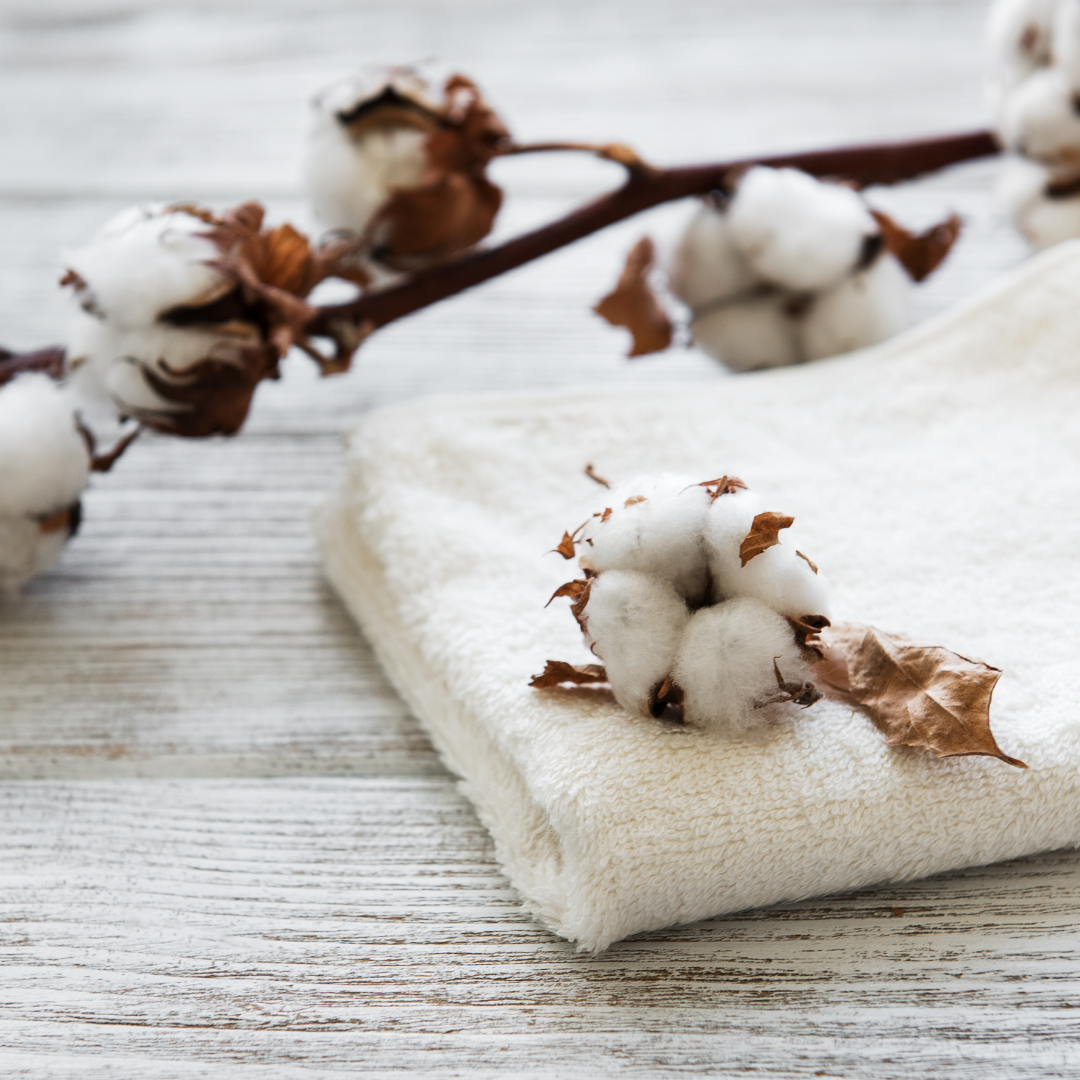
There has been a noticeable increase in consciousness and knowledge in recent years regarding the ethical and environmental implications of conventional cotton growing. As a result, more and more individuals are selecting organic cotton as an eco-friendlier option. Let's look at every organic cotton variety and each of its characteristics: 1. Environmental Benefits: Using organic farming practices to grow cotton benefits the environment by creating a shelter for biodiversity, preserving water quality, and boosting soil life. Organic cotton is a shining example of environmental stewardship since it reduces the ecological impact of its production by eliminating the need for artificial fertilizers and pesticides. 2. Healthier for Farmers: When it comes to agriculture, the decision between conventional and organic cotton goes much beyond simple farming methods; it is about protecting human welfare. The use of dangerous chemicals by conventional cotton puts not only the environment but also the hands who tend to it in danger. Choosing organic farming preserves the safety and dignity of the farmers who work on the land in addition to creating a better environment. 3. Water Conservation: Organic cotton farming uses a lot less water than traditional cotton farming because it embraces the cycles of rainfall and the wisdom of natural irrigation. This careful use of water becomes a lifesaver in areas where every drop matters, providing a sustainable shelter in the middle of the desert. 4. Quality of Cotton: Organic cotton expresses a purity that has not been infected by synthetic meddling, similar to a whisper of tenderness against the skin. Its fibers, raised away from the harsh grip of chemicals, are living examples of nature's creativity producing fabrics of unmatched quality. Organic cotton is king in a world where comfort and conscience coexist, spinning tales of luxury that calm the body and the spirit. 5. Ethical Considerations: Organic cotton production not only brings environmental advantages but also upholds rigorous social and ethical norms. Fair labor practices, enclosing equitable wages and secure working environments, take precedence, guaranteeing ethical treatment of workers across the supply chain. 6. Standards of Certification: To authenticate organic cotton products, several certification standards like GOTS (Global Organic Textile Standard) and OCS (Organic Content Standard) have been instituted. These benchmarks discover that every stage of production, from cultivation to processing and labeling, conforms to rigid organic criteria. 7. Sustainable Fashion: With a rising awareness of environmental and social concerns, sustainable fashion crafted from organic cotton is capturing more attention from consumers. Numerous clothing labels are embracing organic cotton in their lines, underscoring their dedication to sustainability and ethical procurement practices. 8. Impact on Communities: The cultivation of organic cotton holds the potential to uplift local communities by offering employment opportunities and supporting rural economies. Through the promotion of organic farming practices, communities can protect themselves against the impacts of climate change and work towards enduring sustainability. 9. Obstacles and Potential Futures: While growing, organic cotton has many benefits, there are drawbacks as well, such as greater initial costs and lower yields than conventional cotton. Nevertheless, organic cotton seems to have a promising future given the rising demand for eco-friendly and sustainable goods. Initiatives and ongoing developments are being made to solve these issues. In conclusion, organic cotton is a desirable choice for both ethical enterprises and thoughtful customers due to its numerous environmental, social, and economic advantages. We can contribute to the development of a more sustainable and socially conscious future for the fashion industry and beyond by supporting organic cotton.
29 Mar 2024
Environmental Benefits of Organic Cotton
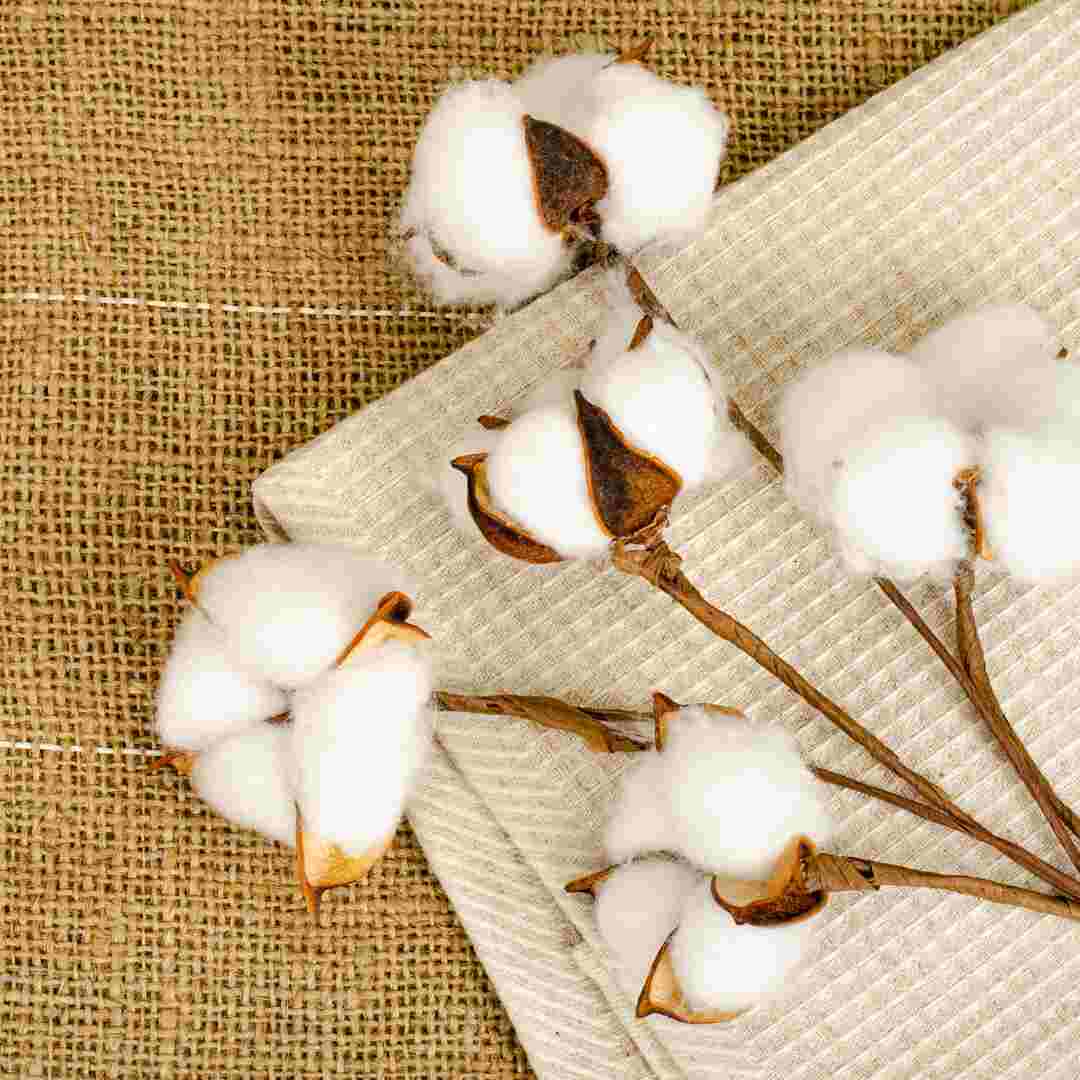
One decision in the world of fashion stands outstandingly in an ever more mindful and ecological living environment: "Organic cotton". A passion for a healthier lifestyle, a cleaner environment, and more responsible fashion consumption. There's more to this blog post than just clothes. Making a great decision is important for the world, our children, and ourselves. Environmental Benefits of Organic Cotton: More than just a product, organic cotton represents a path toward the "Repair of the Earth." Choosing organic cotton is a commitment in healing the world, not just a mear decision. Join us on this life-changing adventure where every choice we make will be the foundation for a more environmentally friendly future. 1. Reduced Chemical Use: The history of conventional cotton farming is filled with the extensive usage of synthetic fertilizers and pesticides, which absorbed into our soil, streams and gravely impacted human health. Organic cotton significantly reduces pollution and protects the health of farmers and other creatures that rely on farms because it is grown avoiding the use of harmful pesticides. This strength to uphold our values for a better world is loud and clear: "Select organic cotton." 2. Water Conservation: Water is pricey material available in limited supply. Organic cotton growing usually relies on rainfall and natural irrigation techniques, which lessens the burden on local water resources. Another reason organic cotton uses less water is the state of the soil. Organic soil is more likely to withstand a drought due to its enhanced capacity to hold water. 3. Biodiversity Preservation: In contrast to traditional cotton farming, organic cotton farming welcomes a new era that values and nourishes the peaceful coexistence of numerous species. Organic cotton fields become sanctuaries of life, humming with activity and brightness, by refusing to use hazardous chemicals and genetically modified seeds. In order to honor the biodiversity that keeps us all alive, let's keep integrating this inheritance into our daily lives. 4. Soil Health: Explore the fascinating field of organic cotton cultivation, where maintaining and enhancing good soil health is the goal. Crop rotation and organic cotton farming avoid harsh synthetic fertilizers and pesticides that rob the land of its vitality by using natural composting techniques to increase soil fertility. Stronger plants that are more resistant to pests and diseases are produced by healthier soil, which lowers the need for chemical treatments. Supporting Sustainable Fashion: This momentum creates an ecosystem for fashion that is fueled by creativity and ethical production, turning our closets into collections that embody optimism, resiliency, and an unrelenting dedication to the welfare of the planet. Together, let's bravely forge forth into this sustainable frontier and create a legacy that will endure, piece by piece. 1. Ethical Supply Chains: Ethical supply chains are not just transparent; they also maintain integrity, ensuring that every hand that handles our organic cotton apparel—from the seamstresses to the seed sowers—is treated with respect, gets paid properly, and works in a secure environment. Knowing that beneath every hemispheric slit there lies a story of ecological balance and human empowerment, let us raise the standard, demand reform, and wear our values with pride. 2. Reduction of Environmental Footprint: Choosing clothing made of organic materials is a direct response to the problem of overuse of resources that plagues our globe. Because of its environmentally friendly cultivation methods, it acts as a screen against the storm of greenhouse gases, drastically reducing our carbon emissions impact. Together, let's use organic cotton as a powerful weapon to pave the way for greater responsibility and less impact. 3. Promotion of Circular Economy: The idea is to be creative and make clothes that can be transferred from closet to wardrobe without ever ending up in a landfill. We support apparel made to be easily recycled, repurposed, or biodegraded by supporting organic cotton. Our determined effort is to not just lessen our environmental impact but also to tread lightly on the planet by returning as much as we take is demonstrated by this audacious move in the direction of a circular economy. Let us ignite the shift that will take the fashion industry to a place where circularity is the standard rather than an ideal. 4. Consumer Awareness: The defenders of organic cotton, informing people about the significance of what they wear. As the movement's ambassadors, these innovators communicate information on sustainability via forums and social media. This information torches enlighten the route to a sustainable future and steer us away from the verge of environmental degradation. TinyKiddo, a brand committed to sustainable goals where quality and safety comes first. By supporting organic cotton, we stand in support of a movement that holds out the prospect of ethical purity and ecological balance. It's about becoming a living example with dedication to the environment and the next generation. Consumers, wake up and be Conscious. It's our decision to make, and the moment is now. Join TinyKiddo in this movement, together, let's embrace this incredible decision and turn the fabric of fashion into a work of art that represents anticipation and regeneration.
14 Mar 2024
What is Plastic-Free Cotton?
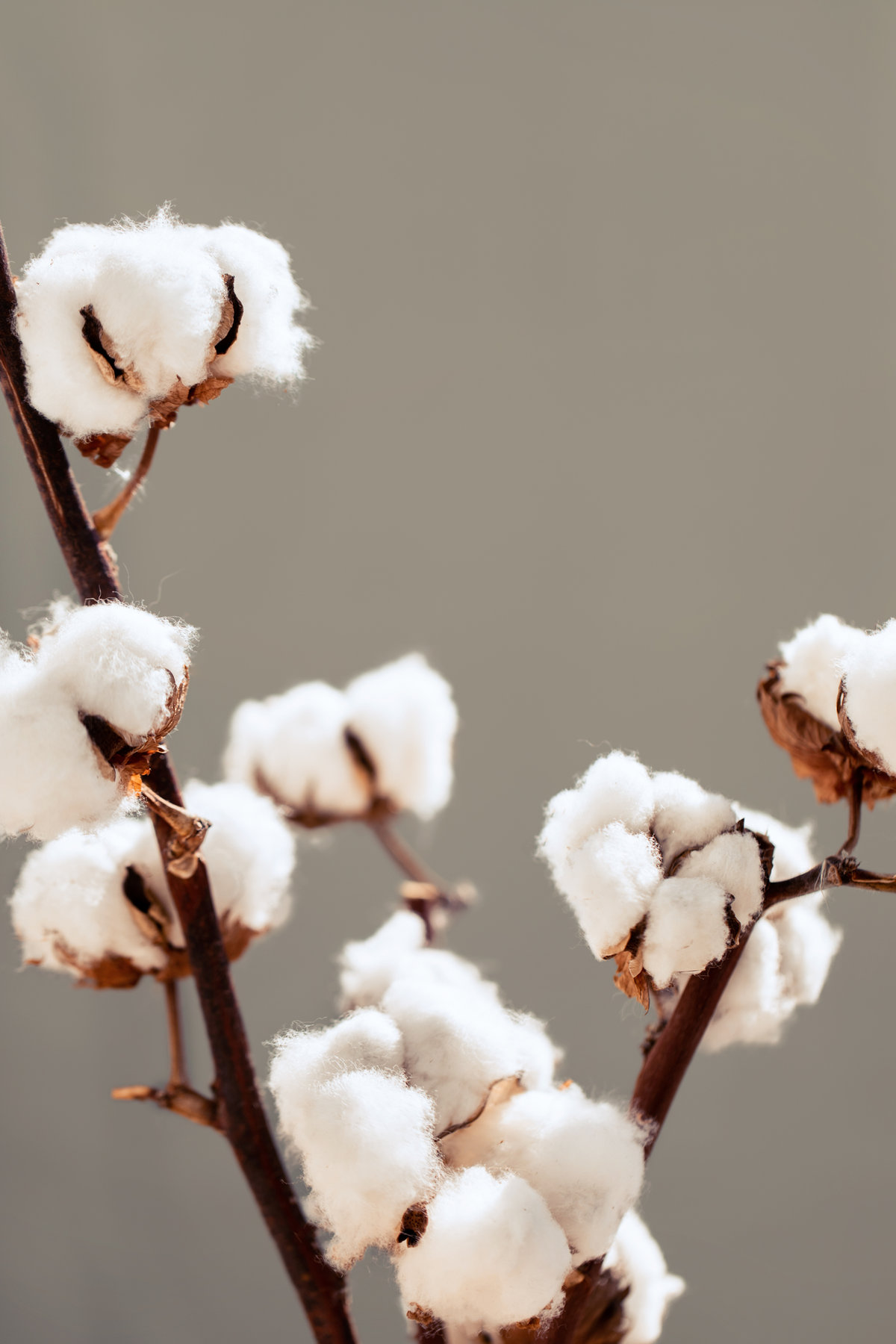
Cotton, a natural and beloved fabric, might not seem to have much to do with plastic. However, the reality is that plastic lurks in many cotton garments, from the fiber itself to the buttons, zippers, and even the packaging. This hidden plastic contributes to environmental issues like microplastic pollution and textile waste. But there's good news! The "Plastic-Free Cotton" movement is gaining momentum, offering a more sustainable and healthier alternative for you and the planet. So, what is plastic-free cotton? It's a movement towards cotton that's free from synthetic fibers, harmful chemicals, and unnecessary plastic trimmings. It's about choosing cotton that's grown sustainably, processed ethically, and doesn't leave a trail of microplastics in its wake. What's the Big Deal with Plastic in Cotton? 1. Microplastic Mayhem: Traditional cotton blends often contain synthetic fibers like polyester, which shed tiny plastic particles during washing. These microplastics pollute our oceans, harm marine life, and even end up in our food chain. 2. Chemical Cocktail: The intensive use of harmful pesticides and fertilizers in conventional cotton farming not only pollutes the environment but also poses health risks to both agricultural workers and consumers. Residues of these chemicals can persist on finished garments, potentially exposing individuals to harmful substances through prolonged skin contact or inhalation, highlighting the importance of opting for organic cotton products to minimize such risks. 3. Plastic Trimmings: Beyond fabric, components like buttons, zippers, and threads, as well as packaging, frequently contain plastic, exacerbating landfill waste and contributing to the pervasive issue of microplastic pollution, which poses threats to ecosystems and human health. Choosing alternatives made from biodegradable or recycled materials can help mitigate these environmental impacts. Why Choose Plastic-Free Cotton? 1. Earth-Friendly Hero: By eliminating plastic from your daily routine, you're actively reducing the pervasive problem of microplastic pollution while also championing sustainable farming methods that promote environmental integrity and enhance soil health. This commitment to plastic-free living not only benefits ecosystems and marine life but also fosters a more resilient and sustainable future for generations to come. 2. Breathe Easier: Choosing organic cotton, free from harsh chemicals, ensures that your clothing is gentler on your skin, reducing exposure to harmful toxins. Additionally, its breathable nature enhances comfort, making it an ideal choice for everyday wear. 3. Durability You Can Trust: In addition to being more durable and long-lasting than synthetic blends, high-quality plastic-free cotton garments also offer superior comfort and breathability, ensuring a more enjoyable wearing experience. By investing in such garments, you not only save money and resources in the long run but also contribute to reducing plastic pollution and promoting sustainable fashion practices. 4. Ethical Choice: Choosing plastic-free cotton not only benefits the environment but also promotes fair labor practices and ethical production throughout the supply chain. By opting for products that prioritize sustainability and social responsibility, consumers can contribute to creating a more equitable and sustainable future for workers in the textile industry. But how do you find plastic-free cotton? 1. Look for certifications: GOTS (Global Organic Textile Standard) and Oeko-Tex Standard 100 certifications provide assurance of organic cotton production methods and the absence of harmful chemicals in textiles. These rigorous standards ensure that products bearing their labels meet strict criteria for sustainability and environmental responsibility. 2. Choose transparent brands: Opt for brands like TinyKiddo, that disclose their materials and production processes, allowing you to make informed choices. 3. Read labels carefully: When searching for environmentally friendly options, keep an eye out for labels such as "100% organic cotton" or "plastic-free." These labels indicate products that are produced sustainably and with minimal environmental impact. By opting for organic cotton and plastic-free alternatives, you're making a conscious choice to promote sustainability and protect the environment for future generations. 4. Invest in quality: Spending a little more on high-quality, plastic-free garments can save you money in the long run due to their increased durability. Beyond Cotton: Expanding the Plastic-Free Horizon: The movement doesn't stop at cotton! Explore natural fibers like linen, hemp, and tencel as alternatives to synthetic materials. Choose reusable packaging and support brands like TinyKiddo, which is committed to sustainable practices. Remember, every conscious clothing choice makes a difference! Together, let's breathe easier, wear more responsibly, and leave a lighter footprint on our planet. Let's embrace the Plastic-Free movement, one thread at a time!
23 Feb 2024
Feel the Difference: Pure Organic Cotton
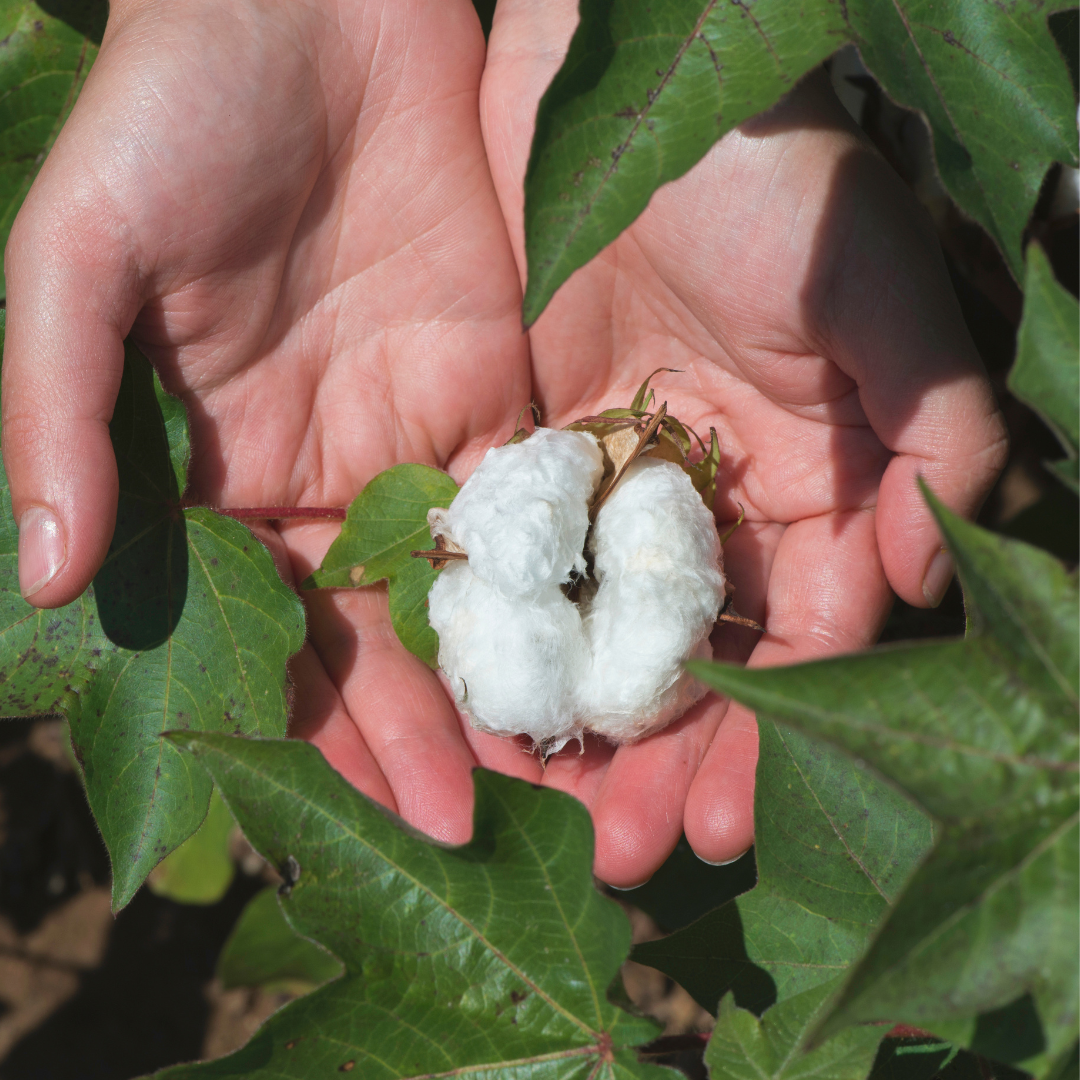
Amidst the vast array of textile options, one stands out for its unmatched softness and luxurious feel: pure organic cotton. This exquisite material, cultivated with care and devoid of harmful chemicals, envelops the wearer in a cocoon of comfort and tranquility. Let's explore the exceptional softness of organic cotton and why it's an experience worth cherishing, especially with Tinykiddo. A Touch of Luxury From the moment it grazes your skin, pure organic cotton whispers tales of indulgence and luxury. Its fibers, nurtured by the earth's bounty and woven into fabric with artisanal finesse, possess a velvety softness that caresses the senses. With each gentle stroke, you can feel the difference – a sensation akin to being cradled in the gentle embrace of nature itself. Nature's Embrace Unlike its synthetic counterparts, organic cotton derives its softness from the purity of its origins, a principle upheld by Tinykiddo. Cultivated without the use of synthetic pesticides or fertilizers, it retains the innate integrity of the cotton plant, free from the harsh residues that can mar its soft texture. As a result, every thread of organic cotton carries with it the essence of nature's embrace – soft, gentle, and irresistibly inviting. Gentle on the Skin For those with sensitive skin, the allure of organic cotton lies not just in its softness but also in its gentleness. Hypoallergenic and breathable, organic cotton fabric minimizes the risk of irritation or discomfort, making it an ideal choice for those prone to allergies or skin sensitivities. With its delicate touch, it soothes and comforts, allowing the skin to breathe and relax in blissful harmony. Sustainable Serenity Beyond its immediate tactile pleasures, the softness of pure organic cotton resonates with a deeper sense of sustainability and ethical consciousness. By choosing organic cotton, we embrace a textile tradition rooted in respect for the environment and the communities that nurture it. Each soft, luxurious fiber serves as a testament to our joint commitment to sustainability, inviting us to tread lightly on the earth while indulging in unparalleled comfort. Experience the Bliss of Organic Cotton with Tinykiddo At Tinykiddo, we invite you to experience the transformative power of pure organic cotton. Our curated collection of apparel and accessories embodies the epitome of softness, crafted with meticulous attention to detail and a deep reverence for nature. From snuggly baby onesies to stylish adult tees, each garment is a testament to the timeless allure of organic cotton – soft, sumptuous, and simply irresistible. Feel the Difference Today As you navigate the world of fashion and textiles, let the softness of pure organic cotton be your guiding light. Feel the difference, embrace luxury, and make a conscious choice for comfort, sustainability, and well-being. With Tinykiddo, every touch is a moment of pure serenity – one that lingers long after the fabric has left your fingertips.
10 Apr 2024