Baby Care & Parenting Blog
Parenting tips, baby care guides, and organic cotton insights.

For a Healthier River Future
Rivers are the arteries of our planet, coursing through landscapes, shaping civilizations, and sustaining life. Yet, they face numerous threats, from pollution to damming, endangering their vitality and the ecosystems they support. It's time to raise awareness, advocate for river conservation, and take concrete steps towards protecting these lifelines of our planet. What is International Day of Action for Rivers? International Day of Action for Rivers, observed on March 14 every year, is dedicated to saving, celebrating, and creating awareness about the importance of rivers. This organization strengthens movements of communities and civil society to defend rivers by exposing destructive projects. Every year there will be a theme for the International Day of Action for Rivers, this year, 2024 theme is spotlighting the urgent need to preserve these endangered ecosystems while also cultivating wider public awareness of their ecological and cultural significance- "Water For ALL" . Why does Rivers Matter? Ecological Diversity: Rivers are home to an incredible array of plant and animal species, from freshwater fish to river dolphins. Their health directly impacts biodiversity both within and beyond their banks. Water Supply: Over billions of people rely on rivers as a primary source of freshwater for drinking, agriculture, and industry. Healthy rivers ensure sustainable water supply for communities worldwide. Cultural Heritage: Throughout history, rivers have shaped human culture, serving as trade routes, sources of inspiration, and sacred sites for countless communities. Preserving rivers means safeguarding cultural heritage. Economic Benefits: Rivers support economies through fishing, transportation, tourism, and hydropower generation. Protecting them is not just an environmental imperative but also an economic necessity. Challenges Facing by Rivers: Pollution: Industrial waste, agricultural runoff, and plastic pollution degrade water quality, harming aquatic life and threatening human health. For instance, more than 80% of sewage in developing countries is discharged untreated in the rivers and other water sources, thereby polluting them. Habitat Destruction: Urbanization, deforestation, and dam construction alter river ecosystems, leading to habitat loss and fragmentation. Climate Change: Rising temperatures and altered precipitation patterns exacerbate droughts, floods, and water scarcity, impacting river flows and ecosystems. Over-Extraction: Excessive water withdrawals for irrigation, industry, and municipal use diminish river flows, jeopardizing their ecological integrity and downstream communities. Actions to be taken for Our Rivers Did you know that two million tons of sewage, industrial and agricultural waste are discharged into the world’s water every day? Yes, it is the equivalent of the weight of the entire human population! This is why it is our time to save our rivers for the good of humanity. Advocacy: Raise awareness about river conservation issues, advocate for stronger environmental regulations, and support policies that prioritize river protection. Community Engagement: Mobilize communities to participate in river clean-up initiatives, restoration projects, and citizen science programs to monitor water quality. Sustainable Practices: Promote sustainable agriculture, responsible water management, and green infrastructure to minimize pollution and habitat destruction. Collaboration: Foster partnerships between governments, NGOs, businesses, and local communities to develop holistic approaches to river management and conservation. Imagine a world where rivers teem with life, their waters sparkling clean and flowing freely. This isn't just a nostalgic picture from the past, it's the future we can create together with Sustainable brands like TinyKiddo. At Tinykiddo, we believe in more than just dressing your little ones; we're committed to nurturing a world where they can thrive, and that includes protecting our precious rivers. Join Tinykiddo in celebrating the life-giving essence of rivers this International Day of Action for Rivers! On this day we can ensure that rivers continue to flow freely, sustaining life and enriching our planet for generations to come. Let's embark on a journey of environmental stewardship together!
14 Mar 2024

Happy Ugadi: Exploring the 6 Tastes
As the auspicious festival of Ugadi dawns upon us, heralding a time of joy, prosperity, and new beginnings, it's a moment to celebrate the essence of tradition and the richness of culture. At Tinykiddo, we embrace this spirit wholeheartedly, weaving together the timeless heritage of Ugadi with the intricate tapestry of our organic cotton baby clothing production, symbolized by the six tastes of Indian cuisine. 1. Sweetness (Madhura) Just as the sweetness of jaggery signifies the joy of new beginnings during Ugadi, Tinykiddo's journey begins with the sweetness of organic cotton cultivation. In the lush fields where our cotton is grown, devoid of synthetic pesticides and chemicals, sweetness emanates from the soil, nourishing the very essence of our garments. 2. Sourness (Amla) The tangy zest of tamarind, a hallmark of Ugadi cuisine, mirrors the sourness inherent in the second stage of Tinykiddo's production process: ginning and spinning. Here, the raw cotton undergoes a meticulous process of separation and refinement, akin to the souring of flavors, transforming it into fine, thread-like yarns ready to be woven into fabric. 3. Bitterness (Tikta) In the bitter-sweet symphony of Ugadi, the bitterness of neem flowers symbolizes resilience and fortitude. Similarly, Tinykiddo embraces the fourth stage of production – weaving and knitting – with unwavering determination. Here, skilled artisans intertwine threads of organic cotton with precision and care, crafting garments that embody both strength and elegance. 4. Saltiness (Lavana) Just as a pinch of salt enhances the flavor of traditional Ugadi dishes, the addition of natural dyes during Tinykiddo's dyeing stage imparts a subtle saltiness to our organic cotton fabric. Using eco-friendly dyeing techniques, we infuse our garments with hues derived from nature itself, creating a palette as diverse and vibrant as the flavors of Ugadi. 5. Pungency (Katu) The pungent aroma of mustard seeds, a staple in Ugadi delicacies, evokes a sense of vitality and warmth. Likewise, Tinykiddo's fifth stage – cutting and sewing – infuses our garments with the essence of creativity and passion. Guided by expert hands, each piece is meticulously cut and stitched to perfection, ensuring both style and comfort for your little ones. 6. Astringency (Kashaya) As Ugadi marks the onset of spring, the astringency of raw mangoes heralds a season of renewal and rejuvenation. In Tinykiddo's final stage of production – quality control and finishing – we uphold the highest standards of excellence, ensuring that every garment bears the hallmark of superior craftsmanship and attention to detail. As we come together to celebrate Ugadi, let us embrace the spirit of tradition and innovation, weaving together the rich tapestry of our cultural heritage with the ethos of sustainability and craftsmanship. At Tinykiddo, we invite you to experience the essence of Ugadi through our organic cotton baby clothing, where each garment is imbued with the six tastes of tradition, ensuring a happy and prosperous beginning for your little ones. Wishing you a Happy Ugadi from the Tinykiddo family! May your celebrations be filled with sweetness, joy, and the warmth of family and friends. Explore our collection of organic cotton baby clothing and embark on a journey of style, comfort, and sustainability today.
9 Apr 2024
Wash Wisely: Sustainable Laundry Advice
Laundry day might seem like a routine chore, but it has a surprising impact on your environmental footprint. By making small changes to your washing habits, you can significantly reduce your water and energy consumption. More over these you can save money and extend the life of your clothes. Let's dive into some Wash Wisely tips for a more sustainable laundry routine: Wash Less, Wear More: Embrace air-drying: Skip the dryer whenever possible. Hang clothes on a line or drying rack to save energy and enjoy the fresh air scent. Spot clean: Treat small stains instead of washing the entire garment. This saves water and detergent while extending the life of your clothes. Air out clothes: Refresh lightly worn clothes by hanging them outside or airing them out overnight. This avoids unnecessary washes. Water and Energy Savings: Cold water magic: Most modern detergents work effectively in cold water, saving up to 80% of the energy used for heating water. Full loads are happy loads: Wait until you have a full machine before running a wash. Every wash cycle, even for small loads, consumes resources. Skip the extra rinse: Unless absolutely necessary, skip the extra rinse cycle. Most modern detergents rinse clothes thoroughly. Consider a high-efficiency washer: If you're due for an upgrade, opt for a water-efficient model with features like automatic load sensing. Detergent Decisions: Choose eco-friendly detergents: Look for concentrated, phosphate-free formulas that are biodegradable and gentle on the environment. Dose correctly: Using too much detergent wastes resources and can leave residue on your clothes. Follow the recommended dosage guidelines. Explore DIY alternatives: Consider making your own laundry detergent with natural ingredients like baking soda and vinegar. Beyond the Wash: Line dry over tumble drying: Whenever possible, choose air-drying to reduce energy consumption and wear and tear on your clothes. Embrace natural fabrics: Opt for clothes made from natural fibers like cotton, linen, and hemp, which are more biodegradable and require less processing. Repair and reuse: Before tossing damaged clothes, consider mending them. Give unwanted clothes a second life by donating or selling them. Remember, small changes add up to a big impact! By incorporating these Wash Wisely tips into your routine, you can do your part for a healthier planet and save money at the same time. Share your Wash Wisely tips and tricks with friends and family! The more people who embrace sustainable laundry practices, the better for our planet. Also, share your sustainable laundry hacks in the comments below and inspire others to join the eco-friendly washing movement!
19 Feb 2024
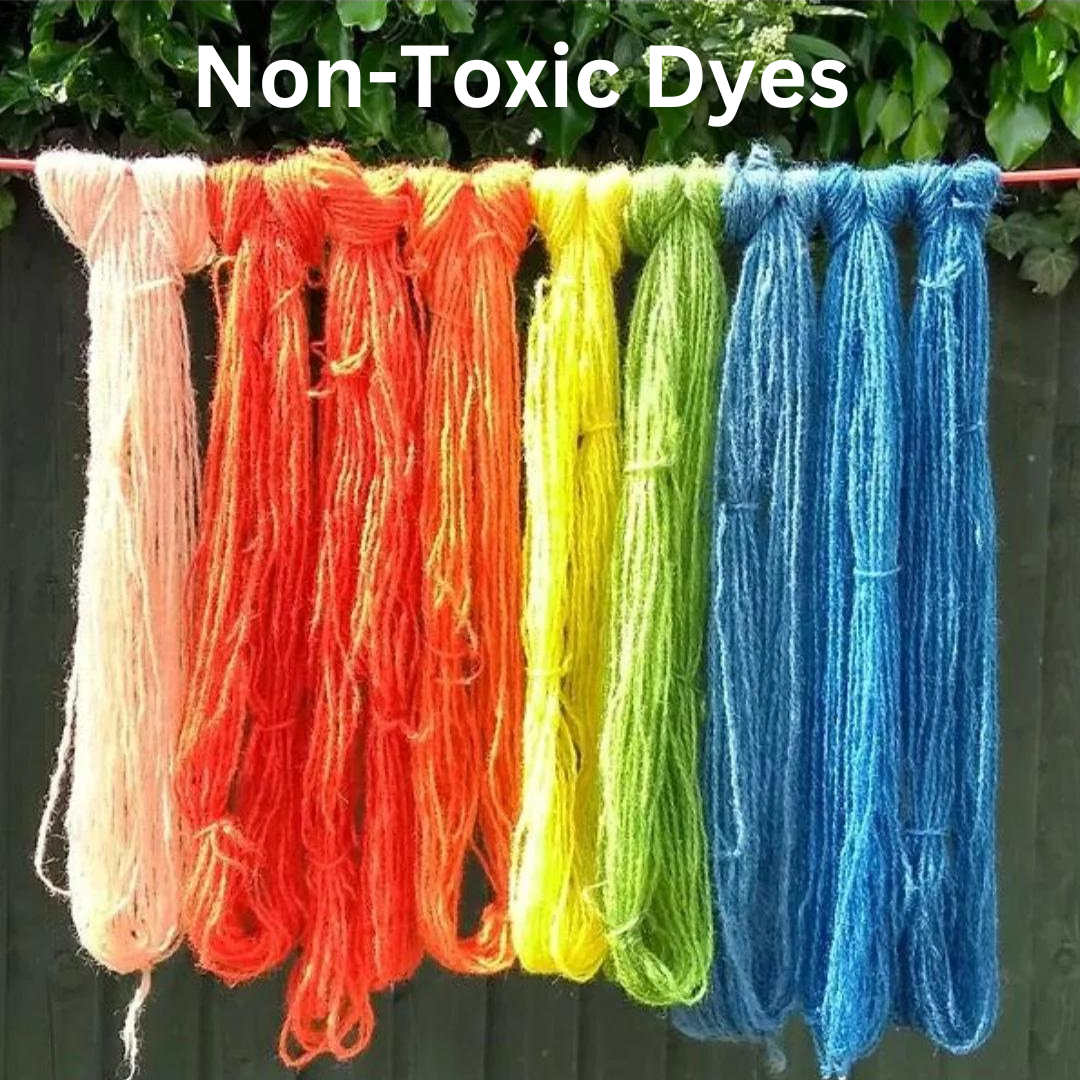
Unveiling the Secrets of Non-Toxic Dyes
Dyes are colored substances that have the ability to bind to materials and impart them with color. In contrast to pigments, which only reside on a material's surface, dyes physically or chemically bind to the threads or molecule they color. As a consequence, the coloring is more resistant to fading and washing. Types of Dyes in Clothing : 1.Natural dyes: Extracted from plants, animals, or minerals. Generally considered safer for health and the environment, but have limitations in color range and wash fastness. 2.Synthetic dyes: Derived from chemical processes. Offer a wider variety of colors and better wash fastness, but some may raise environmental or health concerns. 3.Azo-free dyes: A specific category of synthetic dyes that excludes potentially harmful aromatic amines, making them a safer alternative. What are Non-Toxic Dyes: Defining "Non-Toxic" dyes can be tricky, as it's a subjective term and there's no single standard. However, when discussing non-toxic dyes, there are two main interpretations: Dyes free of harmful chemicals: This primarily refers to the absence of carcinogenic aromatic amines found in some azo dyes. These break down and release potential health risks. Additionally, it considers the absence of heavy metals and other toxic chemicals used in some dye production and disposal processes, which can harm both human health and the environment. Dyes with minimal environmental impact: This goes beyond just the chemicals in the dye itself and considers the entire dye lifecycle. It includes dyes produced using sustainable practices and renewable resources, with minimal water usage and pollution during production and disposal. It also considers the dye's biodegradability and whether it breaks down readily without leaving harmful residues. A truly "non-toxic" dye would ideally meet both criteria, being free of harmful chemicals and minimizing environmental impact, like Natural dyes and Azo-Free dyes. Remember, it's important to research and understand the specifics of each dye and its manufacturing process before labeling it "non-toxic." Consider certifications like Oeko-Tex Standard 100 or GOTS for the guaranteed absence of harmful substances. We TinyKiddo, has the GOTS certification that clearly mention we use Non-Toxic Dyes.
19 Feb 2024

Selecting Size for Newborns & Toddlers
Dressing your child is such a joy!! Finding the perfect fit, however, can seem like a challenging problem in the countless adorable outfits and your adorable baby's always increasing size. Do not fear, We are here. Whether you are inexperienced or experienced parents! In order to make sure your child is warm, comfortable, and fashionable, this guide will assist you in navigating the world of baby clothing sizing. Knowing Infant Size Systems: Baby clothes, in contrast to adult apparel, are usually sized according to an age range or a mix of weight and height. The most popular systems are broken down as follows: Age Range: General age range tags will be like Newborn (Nb), 0-3 months, 3-6 months, 6-9 months, 9-12 months and 1-2 years, 2-3 years and so on.. Although babies develop at varying rates, this is a broad guideline for your reference. Birth: A full-term infant typically weighs between 3.2 and 3.4 kg at birth. At birth, boys are typically a little heavier than girls. 1 Month: Most babies will have gained back their birth weight and be gradually gaining weight by the time they are one month old. 28 grams, can be gained by them each day. 2 Months: Babies usually weigh between 4.3 and 5.3 kg at 2 months of age. 3 Months: Babies typically weigh about 6 kg at 3 months. 4 Months: Most babies weigh about 6.6 kg at 4 months of age. 5 Months: Babies usually weigh approximately 7.2 kg at 5 months of age. This is frequently regarded as twice their birth weight. 6 Months: Most babies weigh between 7.5 and 7.9 kg at six months of age. 9 Months: Babies usually weigh about 8.5 kg at 9 months of age. 12 months: Most infants weigh between 9 and 10 kg when they turn 1 year old. It's essential to keep in mind that this is just a basic guide. Each infant grows at a different rate. A baby's weight can be influenced by an array of factors, including nutrition, genetics, and general health. Beyond Weight and Age: Keep in mind that every baby grows at their own speed, even if age and weight are good places to start. Lets look through these: Height: This method provides a more accurate approach to clothing selection. Look for height ranges listed on the size chart of the specific brand you're shopping from. You can measurer your baby height with the help of a measuring tape. Keeping track of these statistics helps you while consulting doctor for general check-ups also. Body Type: Body type is how baby looks like. Please do remember, every infant is unique. While some newborns are thinner, and some are chubby. Is your child short and stocky, or tall and lean? To ensure a more liberal fit, go for a size larger. Look for adjustable features like waistbands or knots for a more customized fit. Diaper Factor: Do remember this factor while choosing clothes for your baby. Babies often wear diapers, which makes them bulky! Keep it in mind, get some clothes with an elastic waistband or a looser fit to accommodate thicker diapers. Tighter pants cause rashes and discomfort for babies. Read Reviews: Look up parent reviews online. These might offer enlightening details regarding the suitability of particular designs or manufacturers. If you're not sure, measure your baby: Measure your baby's height and weight and compare it to the size listed on the label if you're unsure which size to choose. When shopping in person, bring your baby along to try on clothes. This is especially helpful when your baby is between sizes or has a unique build. Recall that comfort is essential! The most crucial factor is that your child should be at ease wearing their clothes. Try not to worry too much about getting the ideal, photo-perfect appearance. Select supple, airy materials that facilitate effortless mobility, and put your comfort first above everything else. You can achieve this easily with the help of TinyKiddo, where we get all the essential clothing for Newborns and Toddlers. Our Pure Cotton dresses will provide the much needed Comfort for your baby. With this guide and a little practice, you'll be a baby clothes sizing pro in no time! Now go forth and conquer that adorable clothing rack, knowing you'll pick out the perfect fit for your precious little one. We mastered in Sizing guide, always be here to suggest you to the correct fit of your baby. What are your experiences with sizing guide while shopping for your babies? Share your tips and tricks in the comments below!
5 Mar 2024
Why Organic Cotton is Better for Babies
Gentler on Baby's Skin: Organic cotton is grown without the use of synthetic pesticides or fertilizers. This means that clothing made from organic cotton is less likely to contain residual chemicals that could potentially irritate a baby's sensitive skin. Babies' skin is delicate and more prone to irritation, so clothing that minimizes exposure to harsh chemicals is preferred. Hypoallergenic: Organic cotton is less likely to trigger allergies since it doesn't contain the same chemicals and allergens that conventionally grown cotton might have. This is important because babies are more susceptible to allergies and skin sensitivities. Breathability: Organic cotton is often more breathable than synthetic fabrics. This helps regulate a baby's body temperature, reducing the risk of overheating or discomfort. Proper temperature regulation is crucial for newborns and infants. Chemical-Free Processing: In addition to the organic farming practices, the processing of organic cotton typically involves fewer chemicals and dyes. This further reduces the chance of exposing babies to potentially harmful substances. Sustainability: Organic cotton is cultivated using environmentally friendly practices that prioritize soil health and water conservation. This creates a healthier planet for the baby's future while also setting an example for responsible consumption. Softness and Comfort: Organic cotton fabrics are often prized for their softness and comfort. Babies' delicate skin benefits from clothing that doesn't cause friction or discomfort. Supporting Ethical Practices: Many organic cotton producers adhere to fair labor practices, ensuring that the people involved in the production process are treated fairly and paid just wages. Supporting ethical practices aligns with the values of many parents. Reduced Environmental Impact: The cultivation of organic cotton involves fewer synthetic chemicals and promotes soil fertility, which helps to minimize the negative environmental impact associated with conventional cotton production. Biodegradability: Organic cotton clothing, derived from crops grown without synthetic pesticides or fertilizers, offers a sustainable alternative that decomposes naturally, lessening the strain on landfills and the environment. As it breaks down, organic cotton releases fewer harmful chemicals into the soil and water compared to conventional cotton, fostering healthier ecosystems. By choosing organic cotton apparel, consumers can support eco-friendly practices and contribute to the reduction of waste accumulation in landfills, promoting a greener future.
19 Feb 2024
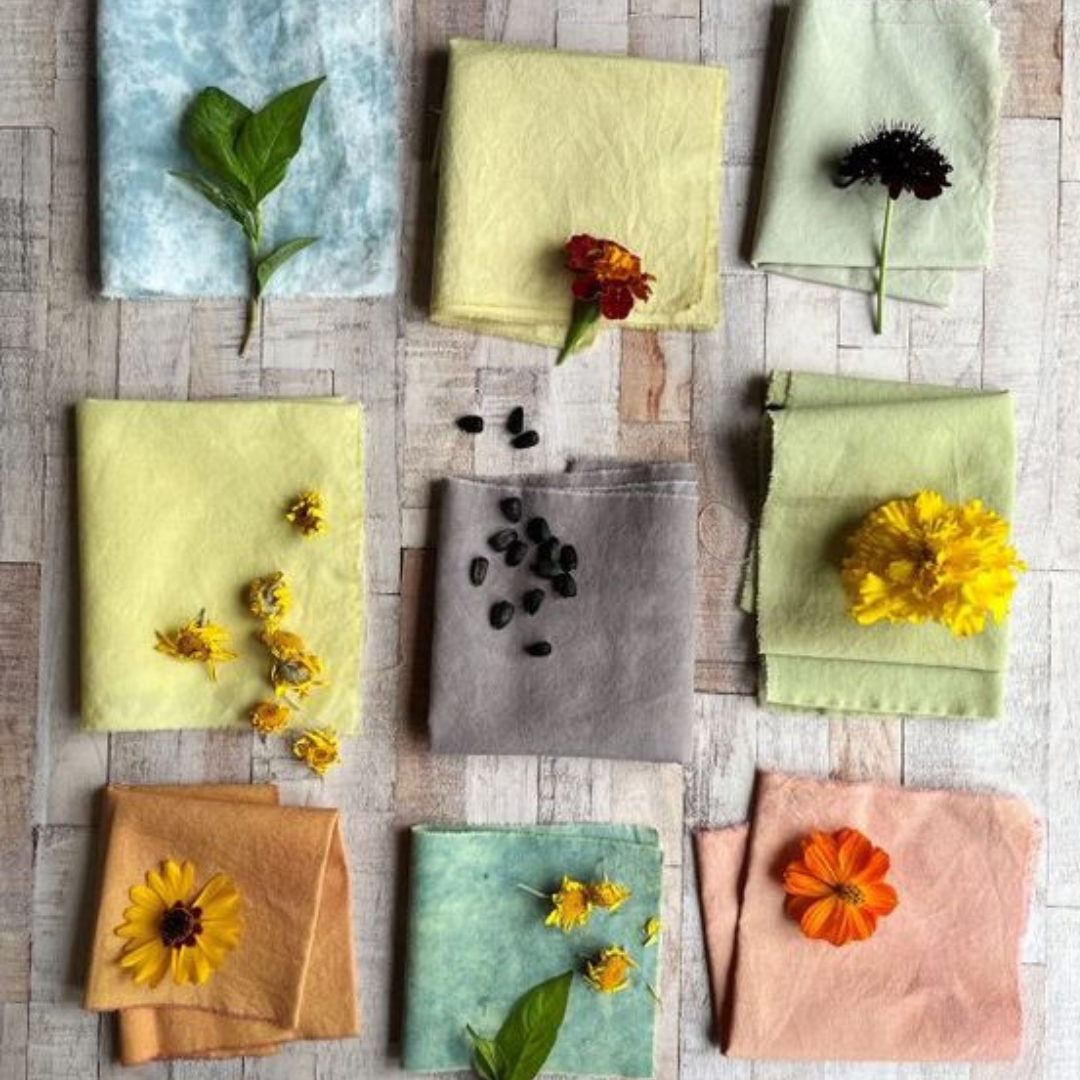
Natural Dyes on Fabric: A Journey Through Time
Natural dyes on fabric tell a fascinating tale that stretches back to ancient civilizations. Around 2600 BC, the Chinese were already using natural dyes, marking the earliest recorded instance of this practice. In this article, we embark on a captivating exploration of the enchanting world of natural dyes, in partnership with Neath Naturals, delving into their origins, sources, and the diverse array of colors they yield. What are Natural Dyes? Natural dyes are colorants derived from organic sources such as plants, insects, minerals, and vegetable waste like onion peels, walnut Hulls, and turmeric roots. These dyes harness the vibrant hues present in nature, ranging from earthy tones to vivid shades, each imbued with its unique character and charm. Unlike synthetic dyes, which often contain harmful chemicals and pollutants, natural dyes offer a safer and more environmentally friendly option for coloring textiles, yarns, and other materials. The Ancient History The roots of natural dyes on fabric delve deep into antiquity, echoing the dawn of human creativity. Archeological evidence indicates that only a handful of plants and animals were initially used to extract natural dyes, which meant there was a limited selection of muted colours. By the 4th century, it was discovered that certain shellfish found along the Mediterranean coast were a source of dark purple ink-like fluid from which an eye-popping purple dye could be made. However, because it took the sacrifice of 8,500 crustaceans to produce a single gram of dye, the fabric of this color was worth its weight in gold and strictly reserved for royalty, often under the penalty of death. Between the 10th and 12th centuries, recognition of dyeing as a skilled trade was established with the Wool Dyers' Guild in Germany and the Dyers' Guild of London, the latter of which still exists today as a charitable organization known as The Worshipful Company of Dyers. But fast forward to the mid-1800s: 18-year-old William Henry Perkin, a chemist tasked with making synthetic quinine to treat malaria, accidentally ended up with the first artificial dye instead, which he called mauveine. The creation of the color we know today as mauve sparked a new industry and revolutionized fashion, but also marked the end for the hand dyers' craft. Choosing the Right Material: When it comes to natural dyes, materials like cotton, linen, hemp, muslin, wool and silk work best. Before dying, it's essential to wash the fabric to remove any impurities. Then, it's time to introduce mordants—like iron and alum—that help set the dye and produce a range of colors. Also, some plant materials yield color without any mordant. Advancements in Technique Over time, dyeing techniques evolved, becoming more sophisticated. From simple boiling methods to complex fermentation processes, artisans experimented to create a wide range of colors. Across different cultures, traditional dyeing methods were passed down through generations, preserving ancient knowledge. Cultural Meaning Natural dyes weren't just about colors; they carried deep cultural significance. For instance, in ancient civilizations like the Aztecs and Maya, certain colors symbolized power and status. Similarly, in South Asia, indigo-dyed textiles reflected centuries-old traditions and social hierarchies. Environmental Benefits: Today, the resurgence of interest in natural dyes is driven by environmental concerns. Unlike synthetic dyes, which contain harmful chemicals, natural dyes are biodegradable and renewable. Additionally, cultivating dye plants promotes biodiversity and sustainable agriculture practices. A Modern Revival In recent years, there's been a renewed appreciation for natural dyes. From fashion runways to local artisan markets, people are embracing handcrafted textiles dyed with botanical extracts. As we embark on this journey with Neath Naturals, let's explore the beauty, versatility, and sustainability of natural dyes, rediscovering their timeless allure in today's world.
6 Apr 2024
Exclusive Winter Collection
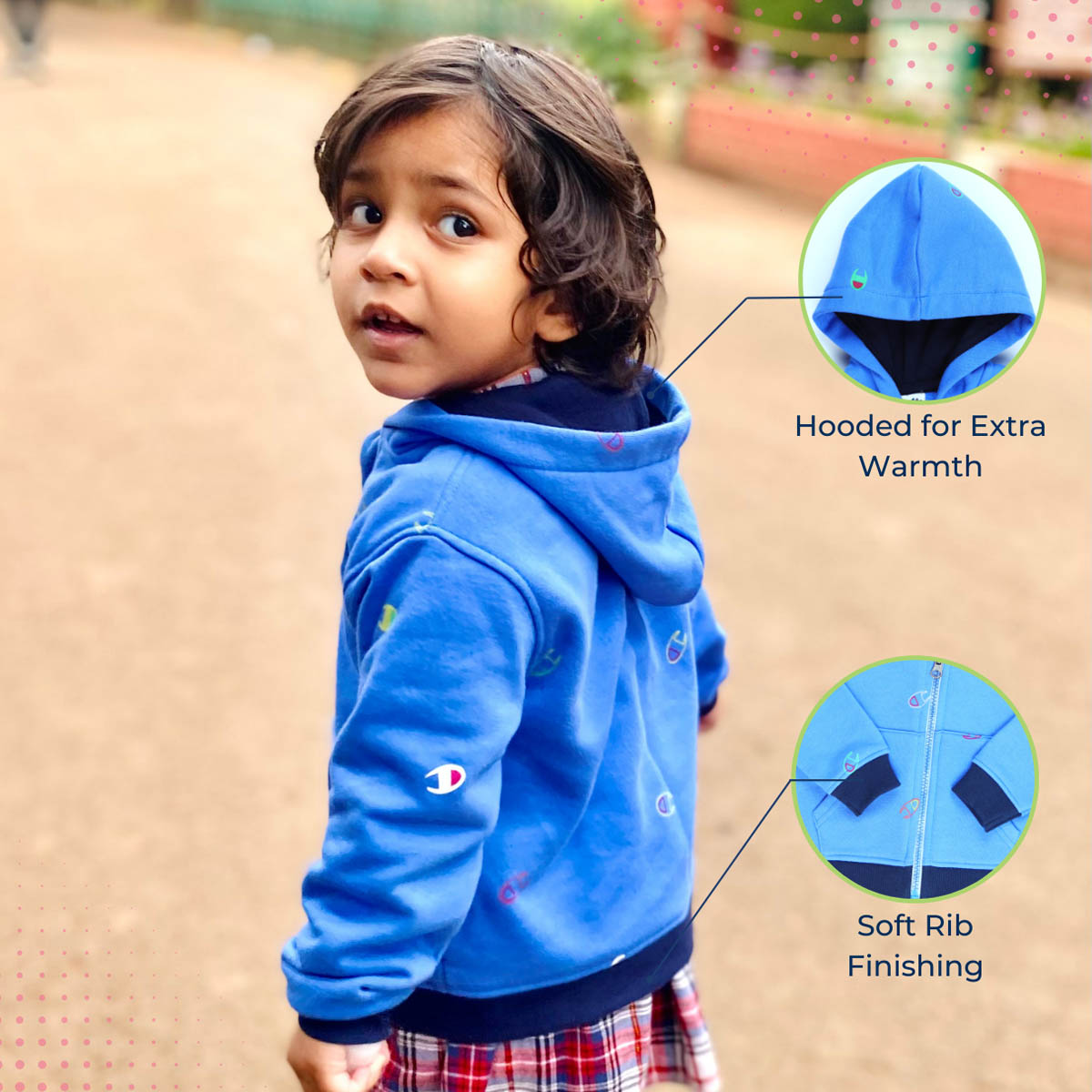
Winter is here, and it’s time to get your little ones bundled up in cozy, stylish kids' winter wear. At tinykiddo, we offer a fantastic selection of baby winter clothes, toddler jackets, and warm hoodies that will keep your child warm and happy throughout the season. Let’s explore the best winter essentials to keep your child comfortable and fashionable this winter! A child in a vibrant blue hooded jacket enjoys a stroll, showcasing its cozy hood for extra warmth and soft rib finishing for added comfort. Why Choose Our Kids Winter Collection? When shopping for kids' winter wear, quality, warmth, and comfort should be your top priorities. That's why we've curated a collection that not only looks adorable but also provides superior insulation for those chilly days. Whether you need a baby jacket for your little one or a cozy toddler hoodie, our clothing is designed to keep your child snug without compromising on style. We believe in offering only the best, which is why our winter collection is made from high-quality materials like soft fleece, breathable cotton blends, and durable wool. These fabrics ensure that your child stays warm during outdoor activities or cozy indoors on lazy winter days. Cozy Baby Winter Clothes for Little Ones For babies, winter clothing needs to provide warmth, flexibility, and safety. The best baby winter clothes include onesies, soft jackets, and knit hats. Layering is essential, especially for newborns who are sensitive to temperature changes. A baby jacket made of fleece or wool is an excellent choice for keeping your little one warm and comfortable, while a snug hat will prevent heat from escaping through the head. When selecting baby winter wear, prioritize easy-to-remove clothing to ensure comfort and practicality. A soft, zippered jacket can help you quickly adjust your baby’s layers depending on the indoor or outdoor temperature. Don't forget about mittens and booties for full warmth from head to toe. Essential Toddler Jackets for Winter Adventures A well-fitted toddler jacket is an essential item for every child’s winter wardrobe. From warm puffer jackets to stylish wool coats, we’ve got a variety of options to suit your child’s needs. Our jackets provide the perfect combination of style and function, designed to protect against the cold without sacrificing comfort. Whether your toddler is playing in the snow or going for a winter stroll, a durable jacket will ensure they stay warm and dry. Look for jackets with hoods and adjustable cuffs to maximize warmth. A comfortable and stylish toddler jacket is a must-have for any winter adventure. Warm Hoodies for Kids—Versatile and Cozy A hoodie is a must-have for every child in the winter. Our warm hoodies are not only perfect for layering but also for casual outings or even indoor wear. Choose from a range of colors, patterns, and designs that your kids will love! Hoodies are perfect for layering under jackets or wearing on their own for added comfort. The soft fabric provides just the right amount of warmth without being bulky, making them an excellent option for every child. A cozy kids' hoodie is sure to be a favorite in your child’s winter wardrobe. How to Choose the Right Fabric for Kids Winter Clothes Fabric choice plays a critical role in ensuring your child stays warm and comfortable. For winter clothing, we recommend materials like wool, fleece, and cotton blends. These fabrics are warm, breathable, and gentle on your child's sensitive skin. Wool is perfect for insulating your child against the cold, while fleece is soft and keeps warmth in without adding extra bulk. Cotton blends work well for base layers, as they are breathable and comfortable, allowing for freedom of movement. Choose fabrics that suit your child’s activity level and the climate in your area for maximum comfort. How to Style Winter Clothing for Kids When considering how to style winter clothing for kids, there are plenty of options to get creative. A combination of cozy baby jackets with playful accessories, such as colorful scarves and mittens, can make for a fun winter look. Layering is key—pair toddler hoodies with stylish winter jackets, and don't forget warm hats to keep them protected from the cold. How to style winter clothing for kids involves mixing and matching different textures and materials to ensure your child is both warm and fashionable. Whether it’s a fleece hoodie, a quilted jacket, or a woolen sweater, finding the right pieces to create a cute and cozy outfit will make winter more enjoyable for your little ones. Conclusion When shopping for kidswinter clothes, comfort, warmth, and style are all equally important. From baby outfits to children’s jackets and warm hoodies, your child will be ready to take on the chilly days ahead with ease. Whether you’re preparing for the colder months or simply looking for something cozy to wear indoors, make sure to choose clothes that combine functionality with fun. With the right winter wardrobe, your little one will stay warm, look adorable, and be ready for any adventure this winter season. "Dress them warm, let their style shine bright because every little one deserves a cozy winter filled with adventure!"
18 Dec 2024
Why Pure Cotton is the Ultimate Choice
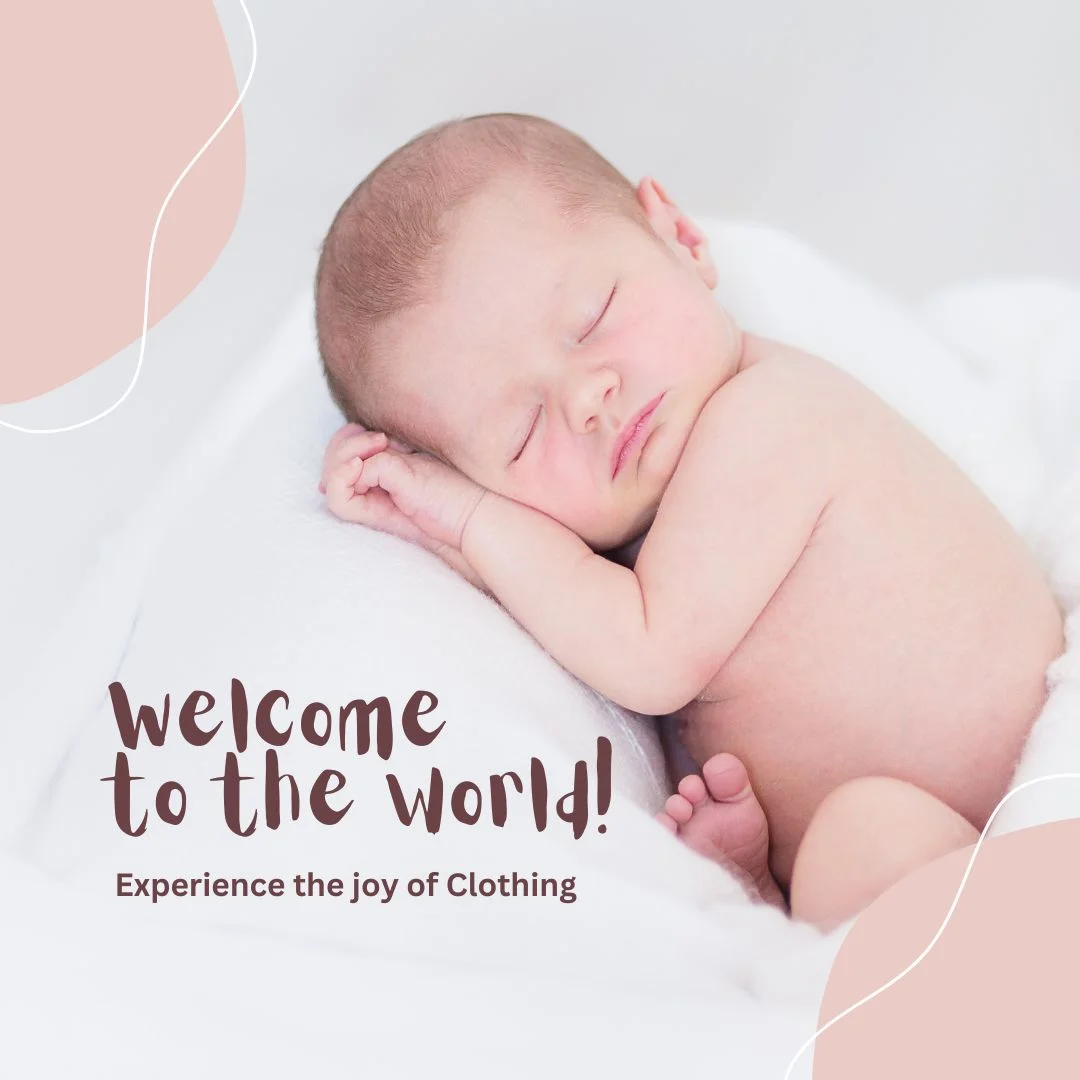
Welcoming a newborn into the family is a joyous occasion, and ensuring their comfort is a top priority for parents. One way to provide the utmost comfort is by choosing pure cotton for their clothing. Crafted with Love and Attention to detail, we ensure that your bundle of joy stays cozy and stylish from day one. Gentle on Delicate Skin: Cotton's breathability helps regulate temperature, ensuring babies stay comfortable throughout the day and night. Its natural properties make it an ideal choice for parents seeking safe and gentle fabrics for their little ones. Breathability: Moreover, cotton's soft texture ensures comfort for your baby's delicate skin, making it an ideal choice for clothing and bedding essentials all year round. Its absorbent properties also help to wick away moisture, keeping your baby dry and comfortable throughout the day. Absorbency: Cotton's soft and breathable qualities also minimize the risk of irritation, making it an ideal choice for your baby's delicate skin. Opting for cotton clothing and bibs can provide both practicality and comfort for newborns, ensuring they stay cozy and content throughout the day. Immerse your newborn in pure cotton luxury with our crafted collection designed for comfort and style. Dive into the eco-friendly world of sustainable parenting and explore a range of essentials from onesies to bedding - the epitome of safety and durability in the realm of baby fashion.
19 Feb 2024
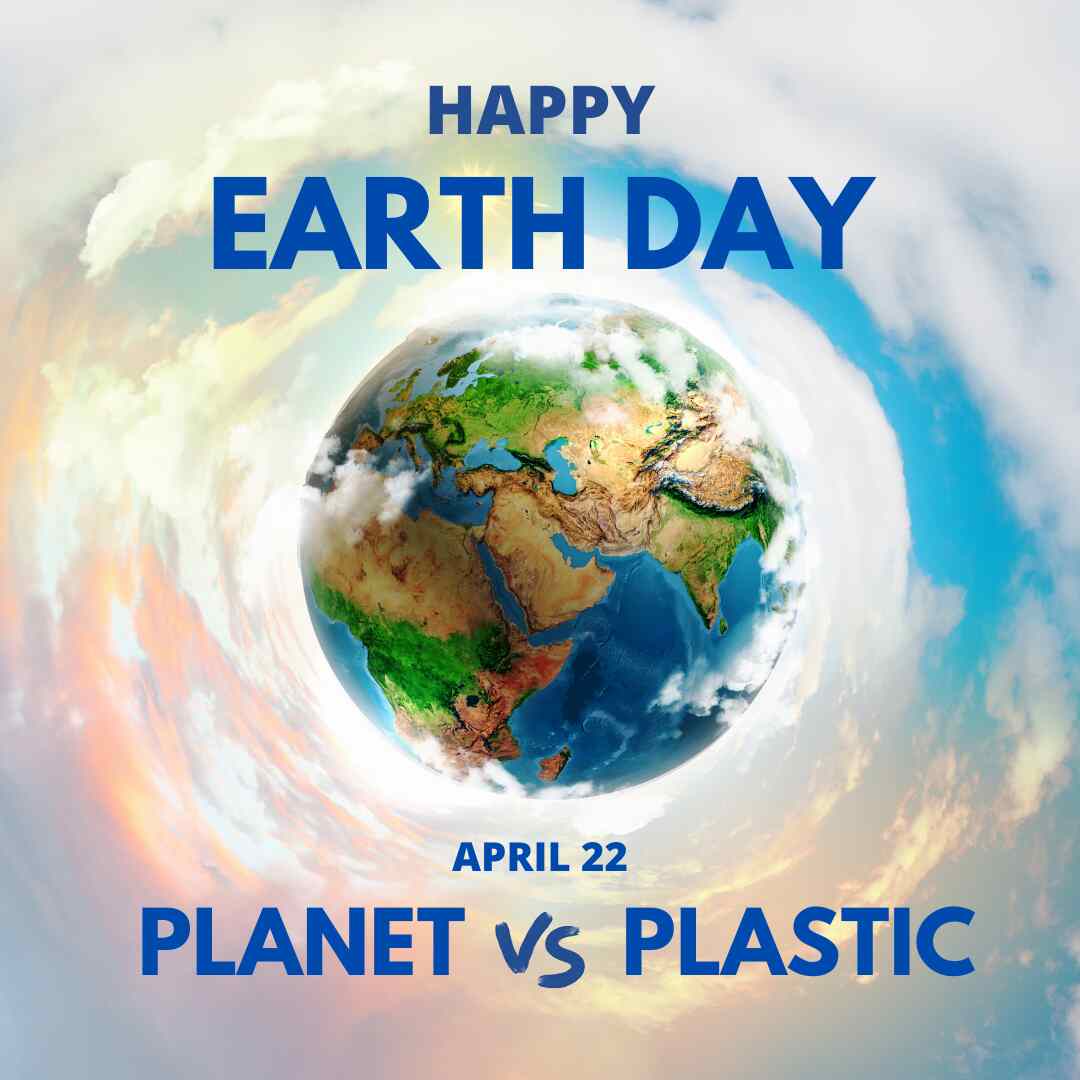
World Earth Day 2024: Planet vs Plastic
As we commemorate World Earth Day 2024, the battle between our planet and plastic rages on. With each passing year, the environmental stakes grow higher, demanding urgent action and innovative solutions. Let's delve into the current situation and explore how we can tip the scales in favor of the planet. The Plastic Predicament: Plastic- a dangerous demon of 20th century, poses a grave threat to our planet's ecosystems, wildlife, and future generations. In 2024, the world finds itself grappling with a staggering plastic crisis. According to recent statistics, over 380 million metric tons of plastic are produced globally each year, with a significant portion ending up in our oceans, landfills, and ecosystems. 12 million tons of plastic find its way into the ocean every single year. According to a 2015 survey, 79% of overall plastic produced has accumulated in landfills. Shockingly, only a fraction of this plastic is recycled, leaving the rest to languish for centuries, polluting our environment and endangering wildlife. The Environmental Toll: The impact of plastic pollution on our planet is profound and far-reaching. Marine life suffers as plastic debris clogs waterways, entangles animals, and leaches toxic chemicals into their habitats. Landfills overflow with non-biodegradable plastic waste, contaminating soil and groundwater. Furthermore, microplastics permeate the air we breathe, infiltrating even the most remote corners of the globe. The Urgency of Action: With the clock ticking towards irreversible environmental damage, the need for action has never been more pressing. Governments, businesses, and individuals must unite in the fight against plastic pollution, implementing stringent regulations, investing in sustainable alternatives, and fostering a culture of responsible consumption. Every choice we make, from refusing single-use plastics to supporting eco-friendly initiatives, shapes the future of our planet. Innovative Solutions: Fortunately, the battle against plastic pollution is not without hope. Innovators around the world are pioneering alternative materials, such as biodegradable plastics derived from plant sources, mycelium-based packaging, and innovative recycling technologies. Additionally, there are many sustainable brands like Tinykiddo, coming forward raising awareness and advocating for systemic change in every field, amplifying the call for a plastic-free future. The Power of Collective Action: As we stand at the crossroads of environmental crisis and opportunity, World Earth Day serves as a piercing reminder of our collective power to effect change. By joining Tinykiddo- a pure organic cotton baby clothing, handmade and Azo free dyes brand, we can turn the tide in favor of the planet. Through education, innovation, and collective action, we can create a world where
22 Apr 2024

Color Choices in Baby Clothing
In our day-to-day lives, color has a big impact on our feelings, attitudes, and actions. The colors used in infant clothes can have a significant effect on their growth and general wellbeing. This blog will examine the psychology of baby clothes hues and the ways in which various hues might affect an infant's development and growth. Importance of colors in baby clothing : The colors of baby clothing are not just a matter of aesthetics; they play a crucial role in stimulating the senses and shaping the perception of the world for infants. Babies are naturally drawn to bright and bold colors, which can capture their attention and promote cognitive development. Infants' sense of color : Despite having less developed color vision than adults, infants can recognize colors from a very young age. According to research, babies are able to discriminate between various colors, preferring ones with strong contrast, like black and white. Babies learn to distinguish between different hues as they become older, and this capacity can elicit distinct emotions. Primary hues like red, blue, and yellow, which can elicit strong emotional reactions and drive brain activity, are especially sensitive to them. The effects of various colors on a baby's development : For newborns, every color has a different psychological impact. For instance, refreshing colors like blue and green can have a calming and soothing effect on babies, while bright colors like red and orange may stimulate and excitement in them. Because of their relaxing qualities, pastel colors are perfect for creating a peaceful atmosphere for infants. On the other side, contrasting colors like Red and Yellow can help babies' cognitive development and visual acuity. Parents may give their infants a loving and stimulating environment by knowing the effects of various colors. Color associations and gender stereotypes : For a child's growth, it can be helpful to get away from the assumptions that suggest pink is meant for girls and blue is for boys. To explore a greater variety of coloration. As we discussed earlier, because of their relaxing characteristics, pastel colors and contrasting colors like Red and Yellow can help babies' cognitive development and visual acuity. By incorporating these colors into baby clothing and nursery décor, parents can create a stimulating environment that encourages exploration and creativity. Cultural effects on color choices : Cultural heritage might also have an impact on color preferences for baby clothing. For instance, white is customarily worn by babies in some cultures to represent innocence and purity as their custom, while bright and vivid colors are favored in others to honor life and vigor. The role parents play in choosing colors for their infants : Parents are very important when it comes to choosing colors for baby outfits. Knowing the psychological effects of color and how they affect development can help parents make well-informed decisions that support their child's growth and wellbeing. Combining different hues can encourage creativity and imagination, while incorporating opposing colors can help a newborn develop their visual acuity. Growing numbers of parents are choosing earthy and organic hues for their children as the value of sustainability and environmental friendliness increases. Common misconceptions about colors and baby development : There are a number of myths regarding how colors affect a baby's development. For example, some people think that a given color is exclusively appropriate for a specific gender or age group. Or that the color black is unlucky for infants. To assist newborns' holistic development, it is imperative to dispel these myths and celebrate the diversity of colors. The psychology of baby clothes hues emphasizes how vital colors are for fostering a baby's growth and wellbeing. Parents who are aware of the effects of various colors can make decisions that promote their child's development and foster a stimulating and caring atmosphere. Parents can encourage their babies to explore the world with open minds and lively imaginations by appreciating the range of colors and dispelling preconceptions. At Tinykiddo, we did our research about all these key points and designed every print and color with utmost care. So, next time you're picking out that adorable onesie or tiny pair of shirts and shorts, consider the color choices and the impact they may have on your little one's journey of growth and discovery.
7 Mar 2024
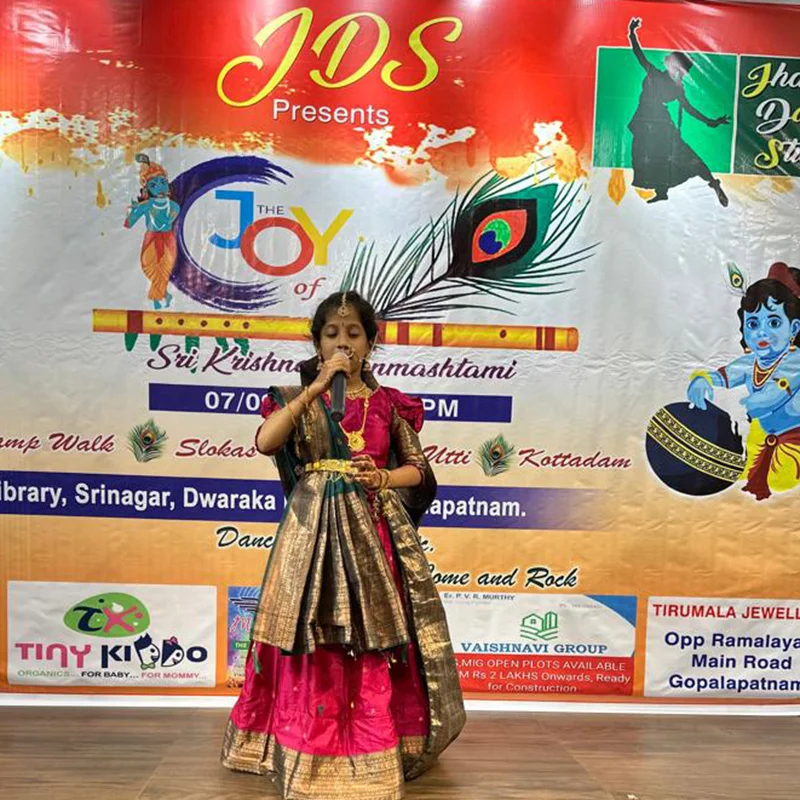
Sri Krishna Janmashtami Celebration
Introduction: Sri Krishna Janmashtami, the divine celebration of Lord Krishna's birth, is a joyous occasion that unites communities in vibrant festivities. At Tiny Kiddo, we cherish the rich cultural heritage of India and are thrilled to sponsor this auspicious event. Join us in exploring how we blend tradition with sustainable style to make this Janmashtami truly special. 1. A Tradition of Togetherness: Janmashtami is not just a festival; it's a time when families and communities come together to celebrate the life of Lord Krishna. At Tiny Kiddo, we believe in the beauty of togetherness, which is why we are honored to support such an occasion that fosters unity and love. 2. Sustainable Decorations: Our commitment to sustainability extends to the decorations we use for Janmashtami celebrations. We opt for eco-friendly materials and natural dyes to create beautiful decor that aligns with our values of preserving the environment. 3. Traditional Attire with a Twist: Janmashtami is the perfect occasion to dress up your little ones in traditional attire. Tiny Kiddo offers a range of sustainable and organic clothing for kids, ensuring that your child looks adorable while adhering to eco-friendly principles. 4. Conscious Gifting: Gifting is an essential part of Janmashtami. Our collection of sustainable toys and accessories makes for thoughtful and eco-conscious presents. By choosing Tiny Kiddo products, you not only gift happiness but also support a sustainable future. 5. Embracing Simplicity: Lord Krishna, often depicted in simple attire, teaches us the beauty of a minimalist lifestyle. At Tiny Kiddo, we appreciate the elegance of simplicity, reflected in our sustainable clothing and products that focus on comfort and style. 6. Spreading Joy Responsibly: Janmashtami celebrations are synonymous with joy and merriment. As we sponsor this event, we are committed to spreading happiness responsibly, respecting the environment and our communities. 7. A Prayer for a Sustainable Future: On this Janmashtami, let us come together in prayer not only for the well-being of our loved ones but also for the planet. Tiny Kiddo's sponsorship reflects our desire for a sustainable and harmonious future. Conclusion: Sri Krishna Janmashtami is a time to celebrate our rich cultural heritage and embrace the values of unity, simplicity, and sustainability. Tiny Kiddo is proud to sponsor this occasion, combining tradition with eco-conscious choices. Join us in making this Janmashtami a memorable and sustainable celebration of love and togetherness.
19 Feb 2024