Important Days
13 articles on important days from TinyKiddo — pure cotton baby clothing made in Visakhapatnam.

Quality Over Quantity: Infant Health Focus
As we approach World Health Day 2024 under the theme "My Health - My Right," it's essential to consider how our choices impact the well-being of our little ones. In the realm of baby clothing, Tinykiddo shines as a beacon of excellence, prioritizing quality over quantity while upholding values that align perfectly with infant health and rights. History of World Health Day World Health Day was first started in the year 1950 with the inception of the World Health Organization and it aimed to create awareness around specific health themes and global health issues. Over the years, World Health Day has become a crucial platform for advocating for universal healthcare coverage and addressing pressing health challenges worldwide. The day aims to encourage governments and individuals to improve public health. Tinykiddo's Commitment to Excellence: Tinykiddo's ethos revolves around delivering nothing short of the best for babies. They prioritize 100% premium cotton, ensuring that every garment is gentle on delicate infant skin. By using azo-free dyes, Tinykiddo mitigates the risk of harmful chemicals, safeguarding babies from potential irritations and allergic reactions. Handmade with Love: In a world dominated by mechanization, Tinykiddo takes pride in its handmade approach. Each garment is crafted with meticulous care and attention to detail, ensuring superior quality and comfort. This human touch not only adds a personal dimension to the clothing but also guarantees that every piece meets the highest standards of craftsmanship. Promoting Health with Bio-Wash: Tinykiddo goes the extra mile by subjecting its garments to bio-wash processes. This eco-friendly technique not only enhances the softness of the fabric but also eliminates any residuals, making the clothing safer and more comfortable for babies. By prioritizing bio-wash, Tinykiddo ensures that infants can enjoy clothing that nurtures their well-being without compromise. Earth-Friendly Practices: At Tinykiddo, sustainability is more than just a buzzword – it's a way of life. By using premium materials and eco-conscious production methods, Tinykiddo minimizes its environmental footprint while maximizing benefits for babies. From organic cotton cultivation to responsible manufacturing processes, every decision reflects a commitment to preserving the planet for future generations. Emphasizing Benefits for Babies: The emphasis on 100% premium cotton, azo-free dyes, handmade craftsmanship, bio-wash, and earth-friendly practices isn't just about ticking boxes – it's about prioritizing the health and comfort of babies. By choosing Tinykiddo, parents can rest assured that they're providing their little ones with clothing that nurtures their well-being from day one. On World Health Day 2024, let us celebrate with brands like Tinykiddo that uphold the values of quality, excellence, and sustainability in the world of baby clothing. By prioritizing premium materials, eco-friendly practices, and handmade craftsmanship, Tinykiddo sets a standard of excellence that benefits both babies and the planet. As consumers, let us support such initiatives and affirm our belief that when it comes to our babies' health, only the best will do.
7 Apr 2024
May Day: Honoring Workers Rights
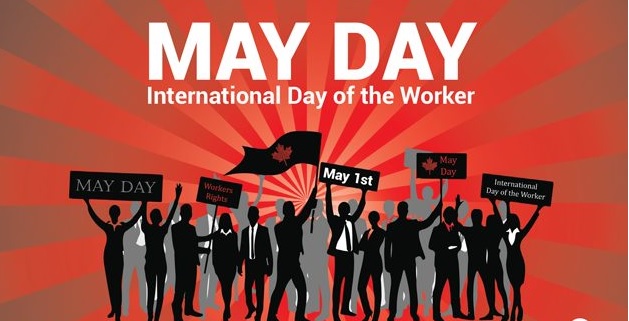
As the sun rises on the first of May, a symphony of solidarity echoes across the globe as we come together to honor International Workers' Day. It's not just a date on the calendar; it's a heartbeat pulsing with the resilience of generations past. Rooted in the battle for the eight-hour workday, this day whispers tales of triumph amidst the echoes of hardship endured in the name of labor rights. Let's take a journey into the heart of Tinykiddo, where our workers are encouraged with respect and dignity. Theme of International Labor Day On this International Labor Day, our hearts resonate with the innate rights of workers around the world. From the simplest plea for fair wages to the urgent call for safe working environments, this day embodies our collective pursuit of social justice and equality. In the year 2024, our focus is unwaveringly fixed on the theme of "Social Justice and Decent Work for All," echoing the deep-seated values of fairness, equality, and human dignity within every workplace, as advocated by the ILO- International Labor Organization. The Future of Workers As we celebrate May Day, it's important to recognize that the way we work is changing fast. Technology like robots and AI is making a big impact, bringing both excitement and uncertainty about the future. Despite these changes, let's remember to keep looking out for workers everywhere, making sure they're treated fairly and respectfully, even in this digital age. A Commitment to Ethical Labor: We take pride in ensuring that every step of our production process upholds the highest ethical standards. From sourcing raw materials to manufacturing and distribution, the brand is committed to fair labor practices. By providing safe working conditions and fair wages, we empower our workers and foster a culture of respect and dignity. Sustainability at Its Core: In addition to ethical labor practices, Tinykiddo places a strong emphasis on sustainability. The brand recognizes the importance of minimizing its environmental footprint and strives to use eco-friendly materials and processes wherever possible. From organic cotton to Azo-free dyes, every aspect of our production is carefully considered to reduce environmental impact and chemical impacts on our workers. Quality Craftsmanship: Beyond our ethical and sustainable practices, we also known for the quality craftsmanship of its clothing. We acquire Quality craftmanship by showing our respect and care towards them and their work. Each garment is thoughtfully designed with attention to detail, ensuring both style and durability. Parents can trust that Tinykiddo's clothing will withstand the rigors of babyhood while still looking adorable. In between these textiles of labor advocacy and social justice, brands like Tinykiddo emerge as example of virtue, weaving sustainability and worker empowerment into the very fabric of their ethos. Committed to crafting organic baby clothing of unparalleled quality, these brands stand as testaments to the belief that fashion need not come at the expense of our planet or its people. With an unwavering dedication to sustainable practices and ethical labor standards, brands like Tinykiddo ensure that every garment bears the hallmark of integrity, from seed to stitch.
1 May 2024

Double the Love: Celebrating Mothers Day
‘Mother’, the feeling of warmth and tenderness, is a source of loving light in our lives. Her love knows no limits, enveloping us with strength and comfort. With her gentle touch and compassionate heart, she guides our aspirations and encourages us to pursue our dreams. Her existence is a precious gift, a constant reminder of the beauty and resilience within the human soul. No tribute or expression of gratitude could ever fully encompass the profound sacrifices and boundless love bestowed upon us by our mothers. Yet, in humble recognition of their immeasurable contributions, we come together to honor ‘International Mother's Day’ on every second Sunday of May. It's our cherished opportunity to show our moms just how deeply they are cherished, be it through a thoughtful gift, a heartfelt card, a warm embrace, or a simple "I love you, Mom." This day also serves as a poignant reminder that mothers deserve our unwavering love and care, as they tirelessly provide us with everything we need to thrive. Let’s Remember Our Natural Mother – ‘Our Mother Earth’ In the rush of our hectic schedules, we often forget about our other loving mother – Mother Earth. With whispers of ancient wisdom amidst the rustling of leaves and the dance of waves, she cradles us in her lush, green embrace. Yet, in our haste, we overlook her tireless care, her precious gifts of breath and bounty. Today, as we celebrate International Mother's Day, let's not neglect our connection to Earth, our shared mother, whose every heartbeat resonates with the rhythm of life. Let's honor her enduring strength, her unparalleled beauty, and embrace our responsibility to cherish and protect her, ensuring her legacy flourishes for eternity. Mother nurturing us with Love and Care In the tender embrace of a mother's arms lies a world of boundless love and care. From the first breaths of life, a mother cradles her child with warmth, nourishing them with more than just food, but also affection and understanding. Just as a mother looks after her kids, so too does the Earth support all living beings, offering fertile soil, clean water, and life-giving air. This reminds us of the interconnectedness of life and the importance of cherishing both our maternal and earthly mothers. Mother’s Day Gift to our Mother Earth Have you thought of gifting your mom? Surely, we all do think of that. But what can we Gift to our Mother Earth? Other than our commitment to nurturing the very planet that sustains us by reducing waste and conserving energy to keep the Earth Clean and maintain stability. By embracing sustainable initiatives, such as those from brands like TinyKiddo, with their earth-friendly practices, we take a stand for the environment. Let's not underestimate the power of our choices; through mindful actions and conscious decisions, we can pave the way for a greener, healthier tomorrow for all, offering our Mother Earth the ultimate gift this Mother's Day. In the double celebrations of Mother's Day, let us celebrate the unique relationship that exists between mother and kid — a bond steeped in tenderness, resilience, and boundless affection. Let's also extend our heartfelt appreciation to Mother Earth, the silent nurturer who cradles us all in her loving embrace. Together, let's honor both our maternal and motherly earth, weaving a tapestry of love, care, and conscious choices that will endure for generations to come.
12 May 2024

What Can We Learn from International Family Day
Family. It's a word that resonates deeply, evoking a wealth of emotions and countless memories. Families, regardless of their structure, thrive on love, respect and mutual support. As the world becomes increasingly interconnected, these values are more crucial than ever. Whether we stay near or far, family is our anchor, our refuge, and our greatest source of strength. Every year on May 15th, the world unites to celebrate International Family Day, a day dedicated to recognizing and honoring the profound impact that families have on our lives and communities. This special occasion serves as a reminder of the diverse forms' families can take and the unique strengths each family contributes to the global tapestry. Let’s go in detail, what we are all going to learn from this today. Embracing Diversity Family is a universal concept, but it manifests in countless ways across different cultures and societies. From the nuclear family to joint families, single-parent households, blended families, and chosen families, each structure has its own dynamics and strengths. Embracing this diversity means acknowledging and celebrating the variety of ways in which people come together to support and nurture one another. In many cultures, the idea of family extends beyond blood relations to include close friends and community members who play significant roles in our lives. This broader definition of family highlights the importance of connection and belonging, emphasizing that what truly makes a family is not its structure, but the love, care, and support that its members provide for one another. By embracing this diversity, we can strengthen families everywhere, fostering a more inclusive, supportive, and compassionate world. Strengthening Families To truly strengthen families, we must provide them with the support they need to flourish. This includes advocating for family-friendly policies such as parental leave, work-life balance, affordable childcare, and access to quality healthcare and education. It also means fostering community programs that offer support to families facing challenges, such as counseling services, financial assistance, and mentorship programs. Including all these approaches we can strengthen our Family bonding. Learning from Each Other One of the most beautiful aspects of embracing diversity is the opportunity to learn from one another. Different cultures and family structures offer unique perspectives and solutions to common challenges. By sharing these insights, we can find new ways to strengthen our own families and communities. For instance, the communal approach seen in many African and Indigenous cultures, where child-rearing is a shared responsibility among the community, can teach us about the power of collective support. Similarly, the strong emphasis on respect for elders in Asian cultures reminds us of the importance of honoring and learning from previous generations. On an individual level, strengthening families can be as simple as offering a helping hand to a neighbor, spending quality time with loved ones, or volunteering to support family-oriented initiatives. Every action, no matter how small, contributes to a larger culture of care and support. International Family Day is not just a time to celebrate families, it reminds us that we all have a role to play in creating a better world for future generations. Let us celebrate the love and support that binds us together, and work towards a future where every family, regardless of its structure, is empowered and uplifted. Brands like TinyKiddo, an organic baby clothing brand, play a vital role in this mission by providing high-quality, sustainable products that support families in nurturing their little ones. By choosing organic and ethically produced clothing, families can ensure the health and well-being of their children while also contributing to a more sustainable world. Together, we can build a future where every family, in its unique form, is celebrated and uplifted, creating a brighter and more united tomorrow for all. In a world that can often feel divided, International Family Day is a powerful reminder of our shared humanity. By embracing diversity and strengthening families, we can create a brighter, more compassionate world for everyone.
15 May 2024

National Safe Motherhood Day
Maternal health awareness is paramount for the well-being of mothers and their babies. National Safe Motherhood Day stands as a poignant reminder of the imperative to advocate for maternal health and safety. Delving into the origins and significance of this day illuminates the ongoing challenges and opportunities in enhancing maternal healthcare. The Importance of Maternal Health Awareness Maternal health awareness encompasses a spectrum of aspects, spanning from prenatal care to postnatal support. It empowers mothers and communities to prioritize maternal well-being and access essential healthcare services. By shedding light on maternal health issues, National Safe Motherhood Day cultivates a culture of support and advocacy for safe motherhood practices. Origin and History of National Safe Motherhood Day National Safe Motherhood Day originated to honor the birth anniversary of Dr. Rukhmabai Raut, a pioneering physician and advocate for women’s rights. Dr. Raut’s legacy inspires endeavors to combat maternal mortality and enhance maternal health outcomes globally. Since its inception, National Safe Motherhood Day has evolved into a global initiative, uniting organizations and governments in promoting safe motherhood practices and bolstering maternal health initiatives. Mother caring Tips for Ensuring Maternal Well-being Ensuring maternal well-being demands attention to both physical and mental health throughout the maternal journey. Implementing mother caring tips can assist mothers in navigating the challenges of pregnancy, childbirth, and early motherhood with confidence and support. 1. Physical Health: Nutritious Diet and Regular Exercise A healthy diet and regular exercise are foundational to maternal well-being. Mothers should prioritize consuming nutritious foods rich in vitamins, minerals, and antioxidants to support fetal development and maternal health. Regular exercise, tailored to individual fitness levels and pregnancy status, can enhance physical strength, endurance, and overall well-being. 2. Mental Health: Stress Management and Emotional Support Maternal mental health is equally vital as physical health during pregnancy and postpartum. Mothers should employ stress management techniques such as mindfulness, meditation, and relaxation exercises to alleviate anxiety and foster emotional well-being. Seeking emotional support from partners, family members, and healthcare providers can offer valuable reassurance and guidance throughout the maternal journey. 3. Prenatal Care: Regular Check-ups and Consultations Regular prenatal check-ups are indispensable for monitoring maternal and fetal health, identifying potential complications, and ensuring appropriate medical interventions. Mothers should attend scheduled appointments with healthcare providers, participate in prenatal screenings and tests, and openly discuss any concerns or symptoms with their healthcare team to ensure a healthy pregnancy and delivery. 4. Postnatal Care: Rest, Recovery, and Bonding with the Newborn The postnatal period is pivotal for maternal recovery and bonding with the newborn. Mothers should prioritize rest and self-care as they navigate the physical and emotional demands of childbirth and early motherhood. Establishing a support network comprising family members, friends, and healthcare providers can facilitate access to resources and assistance during this transitional period. Fostering skin-to-skin contact, breastfeeding support, and nurturing relationships with the newborn can promote maternal-infant bonding and emotional well-being. TinyKiddo: Nurturing Future Generations Alongside Parents At TinyKiddo, we are dedicated to nurturing future generations alongside their parents. Our commitment to maternal and infant health extends beyond providing quality baby products. We advocate for safe motherhood practices and support families in their journey towards parenthood. Our Commitment to Maternal and Infant Health TinyKiddo prioritizes the health and well-being of mothers and their babies. We offer a range of baby products designed with safety, comfort, and sustainability in mind, ensuring that parents can provide the best for their little ones. Through our advocacy efforts, we raise awareness about maternal health issues, promote evidence-based practices, and support initiatives that improve maternal health outcomes worldwide. National Safe Motherhood Day serves as a poignant reminder of the imperative to advocate for maternal health and safety. By comprehending the significance of this day and implementing mother caring tips, communities can bolster the well-being of mothers and their babies, thereby ensuring a healthier future for all. At TinyKiddo, we are proud to stand alongside parents in nurturing future generations and promoting safe motherhood practices.
13 Apr 2024

For a Healthier River Future
Rivers are the arteries of our planet, coursing through landscapes, shaping civilizations, and sustaining life. Yet, they face numerous threats, from pollution to damming, endangering their vitality and the ecosystems they support. It's time to raise awareness, advocate for river conservation, and take concrete steps towards protecting these lifelines of our planet. What is International Day of Action for Rivers? International Day of Action for Rivers, observed on March 14 every year, is dedicated to saving, celebrating, and creating awareness about the importance of rivers. This organization strengthens movements of communities and civil society to defend rivers by exposing destructive projects. Every year there will be a theme for the International Day of Action for Rivers, this year, 2024 theme is spotlighting the urgent need to preserve these endangered ecosystems while also cultivating wider public awareness of their ecological and cultural significance- "Water For ALL" . Why does Rivers Matter? Ecological Diversity: Rivers are home to an incredible array of plant and animal species, from freshwater fish to river dolphins. Their health directly impacts biodiversity both within and beyond their banks. Water Supply: Over billions of people rely on rivers as a primary source of freshwater for drinking, agriculture, and industry. Healthy rivers ensure sustainable water supply for communities worldwide. Cultural Heritage: Throughout history, rivers have shaped human culture, serving as trade routes, sources of inspiration, and sacred sites for countless communities. Preserving rivers means safeguarding cultural heritage. Economic Benefits: Rivers support economies through fishing, transportation, tourism, and hydropower generation. Protecting them is not just an environmental imperative but also an economic necessity. Challenges Facing by Rivers: Pollution: Industrial waste, agricultural runoff, and plastic pollution degrade water quality, harming aquatic life and threatening human health. For instance, more than 80% of sewage in developing countries is discharged untreated in the rivers and other water sources, thereby polluting them. Habitat Destruction: Urbanization, deforestation, and dam construction alter river ecosystems, leading to habitat loss and fragmentation. Climate Change: Rising temperatures and altered precipitation patterns exacerbate droughts, floods, and water scarcity, impacting river flows and ecosystems. Over-Extraction: Excessive water withdrawals for irrigation, industry, and municipal use diminish river flows, jeopardizing their ecological integrity and downstream communities. Actions to be taken for Our Rivers Did you know that two million tons of sewage, industrial and agricultural waste are discharged into the world’s water every day? Yes, it is the equivalent of the weight of the entire human population! This is why it is our time to save our rivers for the good of humanity. Advocacy: Raise awareness about river conservation issues, advocate for stronger environmental regulations, and support policies that prioritize river protection. Community Engagement: Mobilize communities to participate in river clean-up initiatives, restoration projects, and citizen science programs to monitor water quality. Sustainable Practices: Promote sustainable agriculture, responsible water management, and green infrastructure to minimize pollution and habitat destruction. Collaboration: Foster partnerships between governments, NGOs, businesses, and local communities to develop holistic approaches to river management and conservation. Imagine a world where rivers teem with life, their waters sparkling clean and flowing freely. This isn't just a nostalgic picture from the past, it's the future we can create together with Sustainable brands like TinyKiddo. At Tinykiddo, we believe in more than just dressing your little ones; we're committed to nurturing a world where they can thrive, and that includes protecting our precious rivers. Join Tinykiddo in celebrating the life-giving essence of rivers this International Day of Action for Rivers! On this day we can ensure that rivers continue to flow freely, sustaining life and enriching our planet for generations to come. Let's embark on a journey of environmental stewardship together!
14 Mar 2024

Happy Ugadi: Exploring the 6 Tastes
As the auspicious festival of Ugadi dawns upon us, heralding a time of joy, prosperity, and new beginnings, it's a moment to celebrate the essence of tradition and the richness of culture. At Tinykiddo, we embrace this spirit wholeheartedly, weaving together the timeless heritage of Ugadi with the intricate tapestry of our organic cotton baby clothing production, symbolized by the six tastes of Indian cuisine. 1. Sweetness (Madhura) Just as the sweetness of jaggery signifies the joy of new beginnings during Ugadi, Tinykiddo's journey begins with the sweetness of organic cotton cultivation. In the lush fields where our cotton is grown, devoid of synthetic pesticides and chemicals, sweetness emanates from the soil, nourishing the very essence of our garments. 2. Sourness (Amla) The tangy zest of tamarind, a hallmark of Ugadi cuisine, mirrors the sourness inherent in the second stage of Tinykiddo's production process: ginning and spinning. Here, the raw cotton undergoes a meticulous process of separation and refinement, akin to the souring of flavors, transforming it into fine, thread-like yarns ready to be woven into fabric. 3. Bitterness (Tikta) In the bitter-sweet symphony of Ugadi, the bitterness of neem flowers symbolizes resilience and fortitude. Similarly, Tinykiddo embraces the fourth stage of production – weaving and knitting – with unwavering determination. Here, skilled artisans intertwine threads of organic cotton with precision and care, crafting garments that embody both strength and elegance. 4. Saltiness (Lavana) Just as a pinch of salt enhances the flavor of traditional Ugadi dishes, the addition of natural dyes during Tinykiddo's dyeing stage imparts a subtle saltiness to our organic cotton fabric. Using eco-friendly dyeing techniques, we infuse our garments with hues derived from nature itself, creating a palette as diverse and vibrant as the flavors of Ugadi. 5. Pungency (Katu) The pungent aroma of mustard seeds, a staple in Ugadi delicacies, evokes a sense of vitality and warmth. Likewise, Tinykiddo's fifth stage – cutting and sewing – infuses our garments with the essence of creativity and passion. Guided by expert hands, each piece is meticulously cut and stitched to perfection, ensuring both style and comfort for your little ones. 6. Astringency (Kashaya) As Ugadi marks the onset of spring, the astringency of raw mangoes heralds a season of renewal and rejuvenation. In Tinykiddo's final stage of production – quality control and finishing – we uphold the highest standards of excellence, ensuring that every garment bears the hallmark of superior craftsmanship and attention to detail. As we come together to celebrate Ugadi, let us embrace the spirit of tradition and innovation, weaving together the rich tapestry of our cultural heritage with the ethos of sustainability and craftsmanship. At Tinykiddo, we invite you to experience the essence of Ugadi through our organic cotton baby clothing, where each garment is imbued with the six tastes of tradition, ensuring a happy and prosperous beginning for your little ones. Wishing you a Happy Ugadi from the Tinykiddo family! May your celebrations be filled with sweetness, joy, and the warmth of family and friends. Explore our collection of organic cotton baby clothing and embark on a journey of style, comfort, and sustainability today.
9 Apr 2024
World Earth Day 2024: Planet vs Plastic
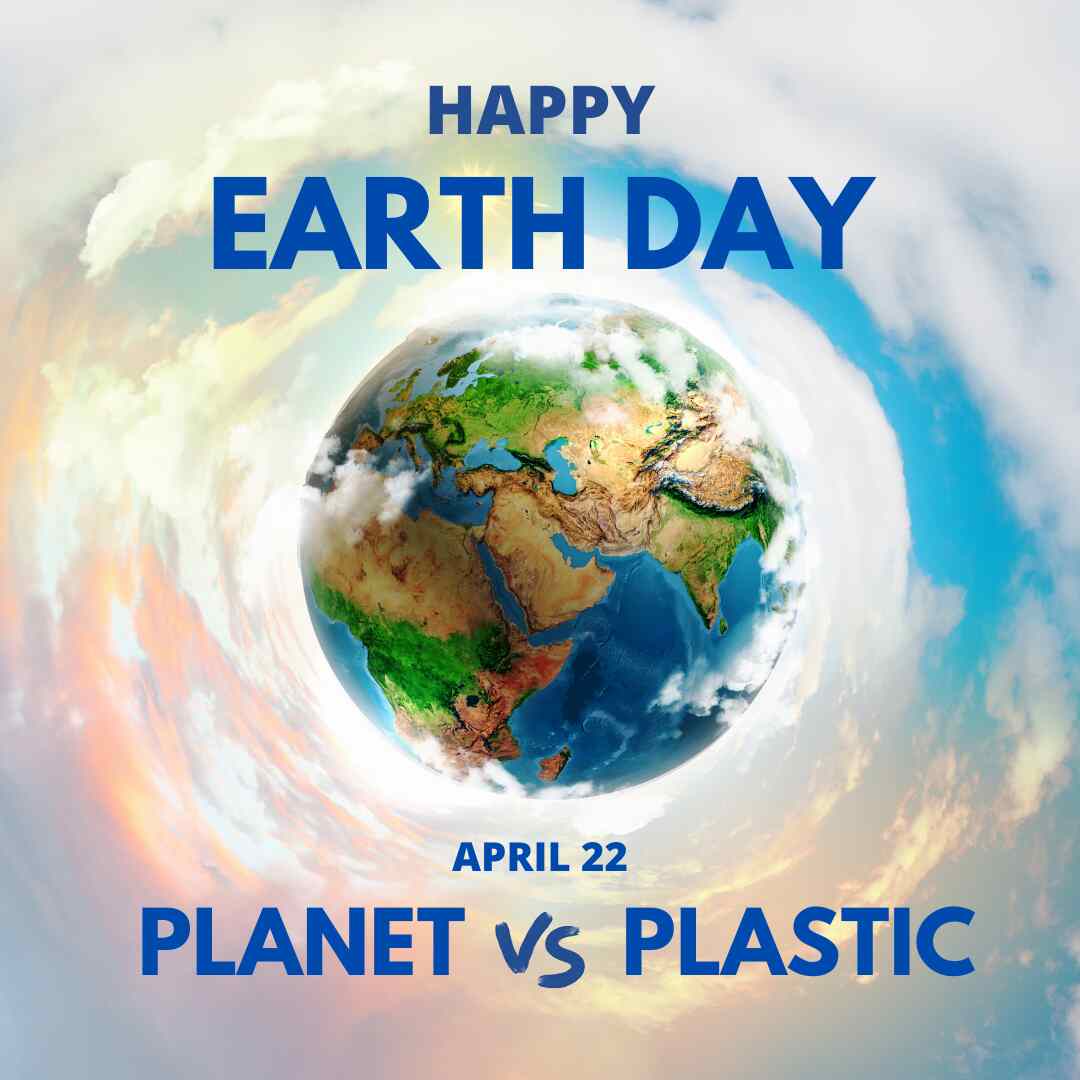
As we commemorate World Earth Day 2024, the battle between our planet and plastic rages on. With each passing year, the environmental stakes grow higher, demanding urgent action and innovative solutions. Let's delve into the current situation and explore how we can tip the scales in favor of the planet. The Plastic Predicament: Plastic- a dangerous demon of 20th century, poses a grave threat to our planet's ecosystems, wildlife, and future generations. In 2024, the world finds itself grappling with a staggering plastic crisis. According to recent statistics, over 380 million metric tons of plastic are produced globally each year, with a significant portion ending up in our oceans, landfills, and ecosystems. 12 million tons of plastic find its way into the ocean every single year. According to a 2015 survey, 79% of overall plastic produced has accumulated in landfills. Shockingly, only a fraction of this plastic is recycled, leaving the rest to languish for centuries, polluting our environment and endangering wildlife. The Environmental Toll: The impact of plastic pollution on our planet is profound and far-reaching. Marine life suffers as plastic debris clogs waterways, entangles animals, and leaches toxic chemicals into their habitats. Landfills overflow with non-biodegradable plastic waste, contaminating soil and groundwater. Furthermore, microplastics permeate the air we breathe, infiltrating even the most remote corners of the globe. The Urgency of Action: With the clock ticking towards irreversible environmental damage, the need for action has never been more pressing. Governments, businesses, and individuals must unite in the fight against plastic pollution, implementing stringent regulations, investing in sustainable alternatives, and fostering a culture of responsible consumption. Every choice we make, from refusing single-use plastics to supporting eco-friendly initiatives, shapes the future of our planet. Innovative Solutions: Fortunately, the battle against plastic pollution is not without hope. Innovators around the world are pioneering alternative materials, such as biodegradable plastics derived from plant sources, mycelium-based packaging, and innovative recycling technologies. Additionally, there are many sustainable brands like Tinykiddo, coming forward raising awareness and advocating for systemic change in every field, amplifying the call for a plastic-free future. The Power of Collective Action: As we stand at the crossroads of environmental crisis and opportunity, World Earth Day serves as a piercing reminder of our collective power to effect change. By joining Tinykiddo- a pure organic cotton baby clothing, handmade and Azo free dyes brand, we can turn the tide in favor of the planet. Through education, innovation, and collective action, we can create a world where
22 Apr 2024
Biodiversity in Focus
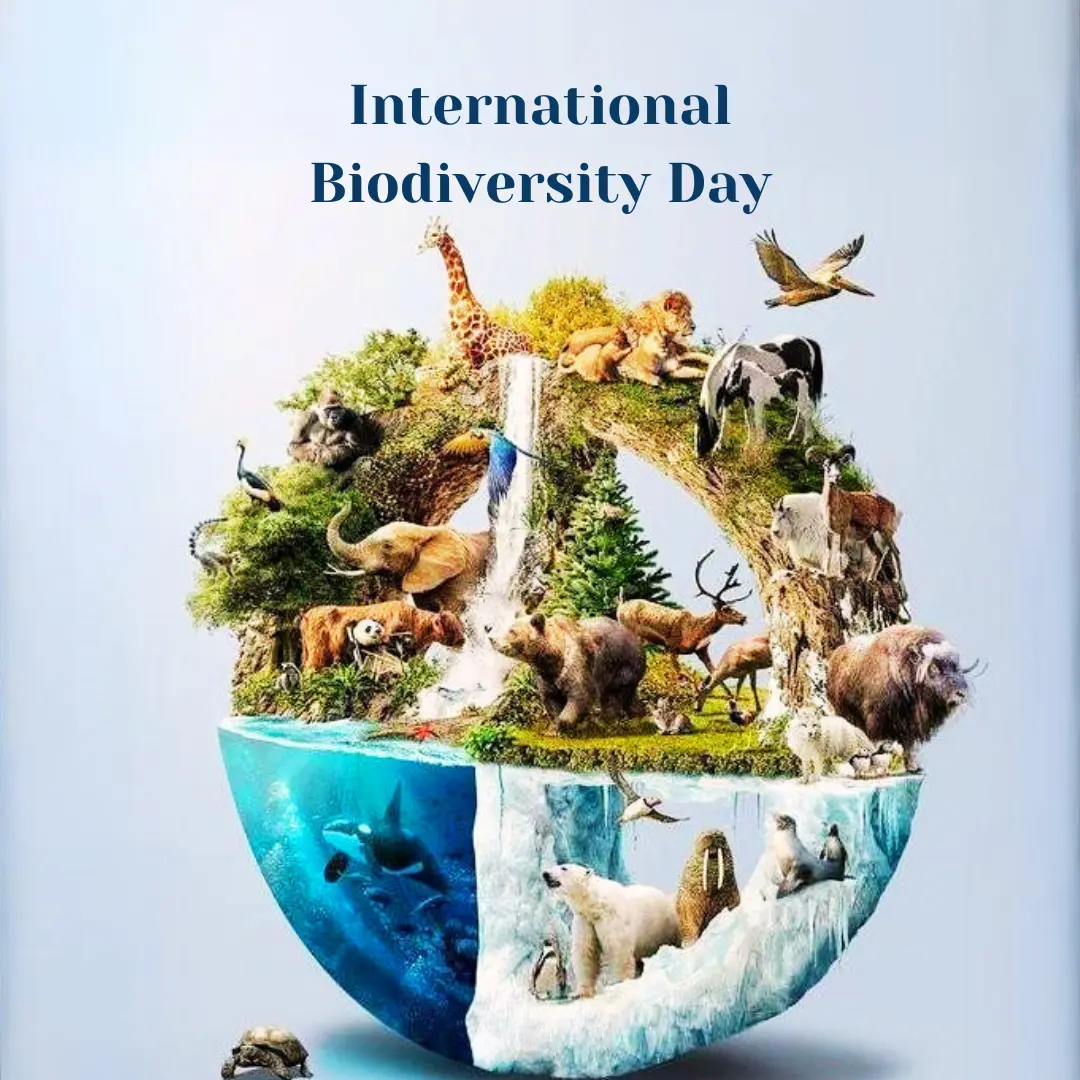
Biological diversity, also known as biodiversity, is defined as the variety of all living things; the different plants, animals and microorganisms, the genetic information they contain and the ecosystems they form. The diversity of life we see today is the result of 4.5 billion years of evolution, shaped by natural processes and interactions between humans and the environment. But these many years of our very nature is in crisis now. Let's investigate the details more thoroughly. When biodiversity has a problem, humanity has a problem Biodiversity is the source of the essential resources and ecosystem services that sustain human life, including food production, purification of air and water, and climate stabilization. Biological diversity resources are the pillars upon which we build civilizations. Fish provide 20% of animal protein to about 3 billion people. Over 80% of the human diet is provided by plants. As many as 80% of people living in rural areas in developing countries rely on traditional plant‐based medicines for basic healthcare. Currently, there are more than 157,100 species on the IUCN (International Union for Conservation of Nature) Red List, with more than 44,000 species threatened with extinction, including 41% of amphibians, 37% of sharks and rays, 36% of reef building corals, 34% of conifers, 26% of mammals and 12% of birds. Irreplaceable ecosystems like parts of the Amazon rainforest are turning from carbon sinks into carbon sources due to deforestation. And 85 % of wetlands, such as salt marshes and mangrove swamps which absorb large amounts of carbon, have disappeared. The loss of biodiversity threatens all, including our health. It has been proven that biodiversity loss could expand zoonoses (diseases transmitted from animals to humans) while, on the other hand, if we keep biodiversity intact, it offers excellent tools to fight against pandemics like those caused by coronaviruses. Now everything is in our hands, whether we keep biodiversity intact or not? Be part of the Plan While there is a growing recognition that biological diversity is a global asset of tremendous value to future generations, the number of species is being significantly reduced by certain human activities. As the global community is called to re-examine our relationship to the natural world, one thing is certain: despite all our technological advances we are completely dependent on healthy and vibrant ecosystems for our water, food, medicines, clothes, fuel, shelter and energy, just to name a few. This involves respecting, protecting, and repairing our biological wealth. Today on this International Day for Biological Diversity, "Be part of the Plan," calls on everyone to support the Biodiversity Plan. Everyone can be part of the plan. Show your support on this day by making little changes in your lifestyle to save millions of lives. Do your part to save our Biodiversity The pollution we generate significantly impacts our ecosystem. Greenhouse gas emissions per person vary widely by country. In the United States, per capita emissions are more than twice the global average of 6.5 tons of CO2 equivalent, while in India they are less than half this average. Globally, the wealthiest 10% of the population are responsible for nearly half of all emissions. Here are some actions you can take to reduce your environmental impact to save our Biodiversity. 1.Plant native species If you have a garden or a few plants, check for native species. Native plants support local insects, worms and birds. Even one tree or shrub can help in saving our biodiversity. Avoid using insecticides and chemicals which are life threats for a few species. 2.Clean up your environment Humans, animals and plants all suffer from land and water contaminated by improperly discarded garbage. Use only what you need and dispose waste properly. Educate others and join local clean-ups. Annually, 2 billion tons of trash are thrown out, with a third damaging the environment by choking water supplies and poisoning soil. Thus, harming many lives of Eco-system. 3.Reduce, reuse, repair and recycle Electronics, clothes, and plastics cause emissions from production to delivery. To protect the climate, buy less, shop second-hand, and repair items. Plastics generated 1.8 billion metric tons of emissions in 2019, but less than 10% is recycled. Reducing new purchases can lower your carbon footprint, as each kilogram of textiles produces 17 kilograms of CO2e. 4.Save energy at home Improve home energy efficiency with better insulation or replace an oil or gas furnace with an electric heat pump to cut up to 900 kg of CO2e annually. Renewable sources of energy, such as wind or solar, can reduce your carbon footprint by up to 1.5 tons of CO2e per year. 5.Make your money count Every purchase impacts the planet. Choose products from sustainable brands like Tinykiddo that use resources responsibly and cut emissions. Ensure your investments support environmentally conscious businesses to reduce your carbon footprint. Speak up and get others to join in taking action. It's one of the quickest and most effective ways to make a difference. Talk to your neighbors, colleagues, friends, and family. Let business owners know you support bold changes – from plastics-free products and packaging to zero-emissions vehicles. Preserving biodiversity is not just an environmental issue but a fundamental necessity for sustaining human life and health. Our actions today determine the future of our planet. By making conscious choices, reducing waste, conserving energy, and supporting sustainable practices, we can all contribute to protecting the intricate web of life that sustains us. Let’s unite in our efforts to safeguard biodiversity, ensuring a thriving planet for generations to come.
22 May 2024

Crafting Safety, Nurturing Sustainability
In today's fast-paced work environments, marked by ever-increasing demands and pressures, the importance of prioritizing safety and health cannot be overstated. Shockingly, recent statistics reveal a concerning reality: globally, over 2.78 million workers succumb to work-related accidents or illnesses each year, with countless others facing non-fatal injuries and long-term health repercussions. Amidst these sobering figures, every year April 28th is celebrated as World Day for Safety and Health at Work all over the world. This day's main objective is to focus on promoting a healthy work culture so that work-related deaths and injuries can be reduced. It's a collective effort to create awareness about people's health and safety measures necessary at the workplace and to foster an environment that is both healthy and positive for the workers. In this spirit of advocacy for safe and healthy workplaces, we turn our attention to TinyKiddo, a shining example of a company that intertwines sustainability with a steadfast commitment to safeguarding the well-being of its workers. Let’s check it out in detail: Organic Farming: Nurturing Nature's Bounty In the realm of sustainable fashion, TinyKiddo stands as a beacon of conscientious craftsmanship, which not only benefit consumers but also extend support to farmers. By opting for organic farming methods, we ensure that farmers are not exposed to harmful chemicals and pesticides, safeguarding their health and well-being. Moreover, these practices promote soil health and biodiversity, creating a more resilient and sustainable agricultural ecosystem. With each thread woven into the garments, we honor the dedication of farmers cultivating organic cotton, offering them a pathway to a healthier and more environmentally conscious livelihood. Handmade Craftsmanship: A creators of Love Our dedication to sustainability extends beyond material selection; it embraces the art of handmade craftsmanship. Every stitch, every seam is a testament to the skilled hands that lovingly shape the fabric into adorable ensembles. This artisanal approach not only guarantees superior quality but also fosters a nurturing work environment where craftsmanship is celebrated, and individual talents flourish. Workers in such an environment gain not just livelihoods, but a sense of pride in their craft and a connection to the products they create. Our care and support for our workers is beyond physical health and safety. We connect with them emotionally understating their feelings and upholding their pride. Azo-Free Dyes: Coloring with Care Our dedication to safety and sustainability is further underscored by Azo-free dyes. By avoiding the harmful Azo dyes commonly found in conventional clothing, TinyKiddo ensures that our products are safe for both the workers- who craft them and the precious babies- who wear them. Workers experience the benefits of working with toxic free materials, enjoying improved air quality and reduced health risks associated with chemical exposure. Eco-Friendly Products: Fostering a Greener Future In a world plagued by environmental concerns, TinyKiddo takes a stand for eco-consciousness. By avoiding plastic, harmful chemicals and embracing eco-friendly production processes, we pave the way for a greener future. Our commitment to sustainability extends in every step of the process from sourcing materials to packaging. By working in an eco-friendly manner and in between eco- friendly goods, workers not only contribute to environmental conservation but also enjoy a healthier and safer work environment, free from exposure to toxic substances. The theme of the World Day for Safety and Health at Work 2024, "Focus on Safety Leadership for Environmental, Social, and Governance (ESG) Excellence," underscores the urgent need for concerted action in ensuring workplace safety and health. With millions of lives lost each year due to occupational accidents and work-related diseases, the responsibility to cultivate a positive safety and healthy working culture rests upon all of us. Let us honor sustainable companies like TinyKiddo, who exemplify dedication to safety, sustainability, and ethical labor practices and renew our commitment to creating safer and healthier workplaces for workers around the globe. Together, through collective efforts and supporting sustainable brands we can strive towards ESG excellence and build a brighter, safer future for all.
28 Apr 2024
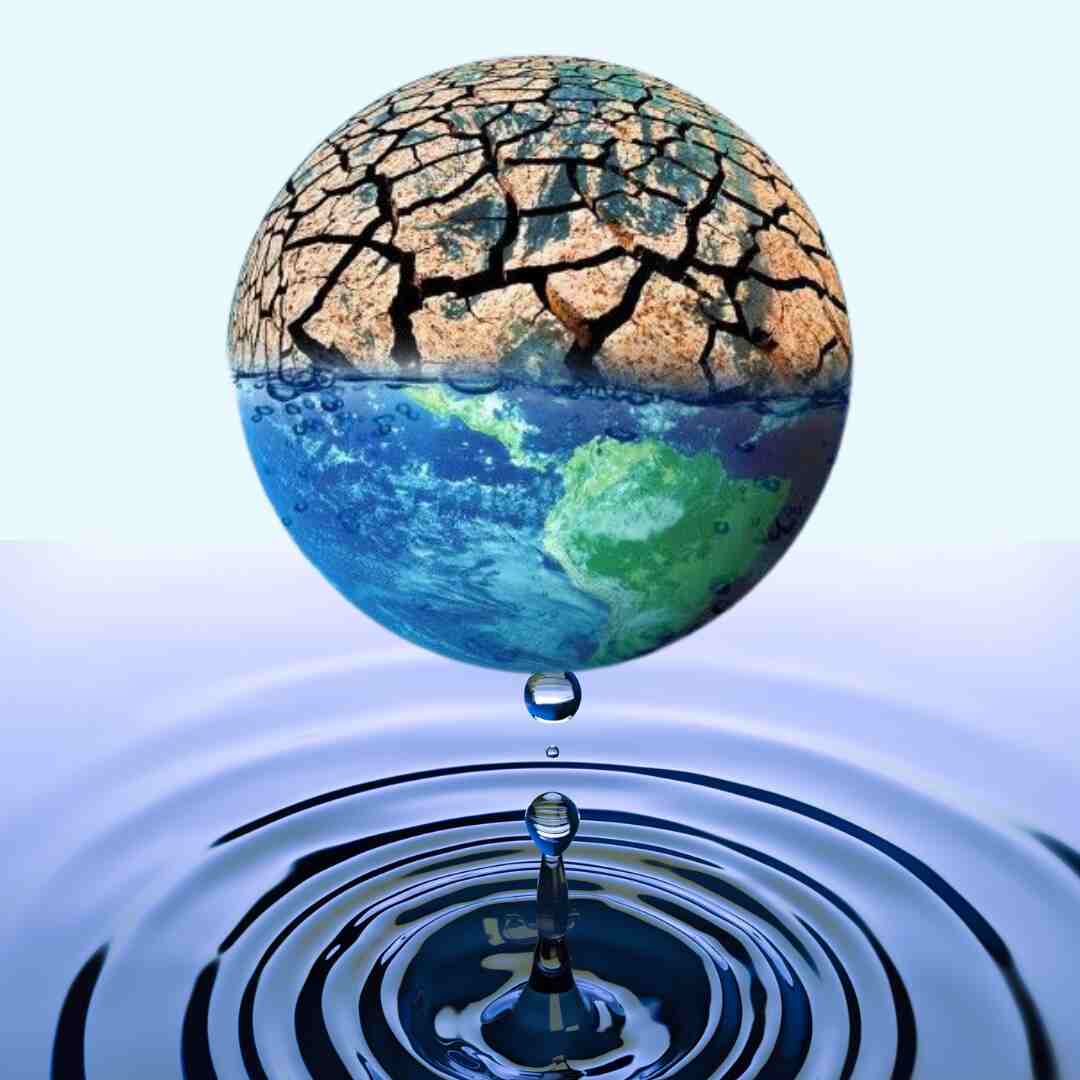
Water: Life in Freshwater is in Crisis
Water is the cornerstone of human survival, essential for drinking, sanitation, hygiene, and food production. Beyond sustenance, it plays a vital role in maintaining ecosystems, biodiversity, and regulating the Earth's climate. Its significance extends to cultural, economic, and environmental aspects, supporting agriculture, industry, and various cultural practices worldwide. As climate change intensifies, equitable access to clean water becomes increasingly urgent, necessitating sustainable management and conservation efforts. Recognizing water's importance fosters global cooperation and stewardship to safeguard this invaluable resource for current and future generations. World Water Day World Water Day is an annual event celebrated on March 22nd, aimed at highlighting the importance of freshwater and advocating for the sustainable management of water resources globally. With wetlands disappearing three times faster than forests, sustainably managing water is crucial. Unsustainable use and management of water is degrading ecosystems and driving species to extinction. Many countries face a future without enough water to meet their needs, limiting economic growth and contributing to migration and regional instability. Current water laws and management strategies have proven insufficient to address these challenges, which are exacerbated by climate change. Let’s check these for instance, Top10 Countries That Use the Most Water are: China – 362 trillion gallons United States – 216 trillion gallons Brazil – 95 trillion gallons Russia – 71 trillion gallons Mexico – 53 trillion gallons India – 30 trillion gallons England – 20 trillion gallons France – 20 trillion gallons Canada – 19 trillion gallons Australia – 12 trillion gallons 878 trillion gallons of water are used by the 10 countries listed above annually. 673 trillion gallons of water are used by just the top three countries on the list i.e, China, U.S, & Brazil With a population of 1.1 billion people, India uses the least amount of water per person of all the countries on the list With a population of 300 million people, the United States uses the most water per person of all the countries on the list. Worldwide, we use more than 4 trillion m³ of freshwater per year. From the beginning of 2022, we have consumed more than 2,002 trillion m³ of fresh water. 2.2 billion people living without access to safe water. It is about taking action to tackle the global water crisis. A core focus of World Water Day is to support the achievement of Sustainable Development. What is Fresh Water? Water covers about 71% of the earth's surface. 97% of the earth's water is found in the oceans- too salty for drinking, growing crops, and most industrial uses except cooling. Remaining 3% of the earth's water is fresh and useful. Moving forward, 2.5% of that water is frozen, meaning that only 0.5% of fresh water is suitable for human consumption. 2024- World Water Day Theam Water for peace -Water can create peace or spark conflict. Despite its critical importance, global water resources face numerous challenges. Water scarcity affects millions worldwide, with many lacking accesses to safe and clean drinking water. Additionally, pollution and contamination threaten water quality, compromising human health and ecosystem integrity. When water is scarce or polluted, or when people have unequal, or have no access, conflicts can arise between communities and countries. More than 3 billion people worldwide depend on water that crosses national borders. Yet only 24 countries have cooperation agreements for all their shared water. Public health and prosperity, food and energy systems, economic productivity and environmental integrity all rely on a well-functioning and equitably managed water cycle. As climate change impacts increase, and populations grow, there is an urgent need, within and between countries, to unite around protecting and conserving our most precious resource. Sustainable Solutions for Water Conservation Addressing these challenges requires concerted efforts towards water conservation and sustainable management. Implementing efficient water management practices, such as rainwater harvesting and drip irrigation, can significantly reduce water waste and improve resource utilization. Moreover, the adoption of green technologies, such as water-efficient appliances and wastewater treatment systems, can help mitigate pollution and enhance water quality. Practical Tips for Water Conservation at home: Achieving water sustainability necessitates both individual and collective action. Individuals can contribute to water conservation efforts through simple yet impactful measures, such as: 1. Fix Household Leaks : Household leaks can waste significant amounts of water over time. Regularly check faucets, pipes, and toilets for leaks, and promptly repair any issues. Even a small leak can add up to 20 gallons of water each day. 2. Wash Full Loads : When using washing machines and dishwashers, wait until you have a full load before running them. Running these appliances with partial loads wastes water and energy. Maximize efficiency by washing full loads saves 50 gallons per week. 3. Shorten Shower Time : Aim for shorter showers and consider installing a low-flow showerhead to further minimize water usage. 5 minutes of shower can save 8 gallons of water. 4. Turn Off Water While Brushing : When brushing your teeth or shaving, turn off the tap to avoid wasting 2.5 gallons of water per minute. 5. Invest in Water-Saving Devices :Consider investing in water-saving devices such as low-flow faucets, aerators, and dual-flush toilets. These devices are designed to minimize water consumption without compromising performance. 6. Use a Broom for Driveway Cleaning :Instead of using a hose to clean driveways and sidewalks, opt for a broom. Sweeping these areas can save up to 150 gallons (about twice the volume of a bathtub) each time. 7. Choose Water-Efficient Landscaping: Opt for drought-resistant plants and landscaping techniques that require less water. Consider xeriscaping, mulching, and using native plants to create a water-efficient garden that thrives with minimal irrigation, can save 840 gallons (about 3179.74 L) each time. 8. Water Gardens Wisely :Water gardens and lawns early in the morning or late in the evening to minimize evaporation. Adjust sprinklers to avoid watering sidewalks and driveways, focusing the water directly on the landscape can save up to 25gallons each time. 9. Check and Maintain Sprinkler Systems :Regularly inspect and maintain sprinkler systems to ensure they are functioning efficiently. Fix any leaks, adjust sprinkler heads, and consider upgrading to smart sprinkler systems that adjust watering schedules based on weather conditions and soil moisture levels can save 40 gallons a day. By incorporating these water-saving practices into your daily life, you can make a significant impact on conserving water resources and promoting sustainability. Every drop saved at home contributes to a healthier planet for future generations. Play your part! Be part of the global campaign on ‘Water for Peace’. Imagine a world where water unites rather than divides. We need everyone – from individuals and families to companies and governments – to cooperate with us on saving water, balancing everyone’s water needs and paving path for a more harmonious society. Tinykiddo, a sustainable brand, is committed to saving water by using organic cotton which saves more than half of the water utilized in its production process. Together, let us commit to safeguarding our planet's water resources and building a more water-secure world.
22 Mar 2024

World Forestry Day 2024
Today, forests cover more than 30% of the world's land and contain more than 60,000 tree species, many of them are yet unidentified. World Forestry Day, observed annually on March 21st, stands as a testament to the vital importance of forests in sustaining life on Earth. With its roots deeply embedded in the history of environmental conservation, this occasion serves as a global platform for raising awareness about the value of forests and the urgent need for their protection. Theme for World Forestry Day 2024 The theme for World Forestry Day 2024, "Forests for a Resilient Future," this theme highlights the need for sustainable forest management practices that ensure the long-term viability of forests for future generations. Importance of Forests Forests are the lifeblood of our planet. Forests provide food, fiber, water and medicines for approximately 1.6 billion of the world's poorest people, including indigenous peoples with unique cultures. From purifying the air, we breathe to regulating the Earth's climate, forests play a crucial role in maintaining ecological balance. Moreover, forests serve as biodiversity hotspots, harboring countless species of flora and fauna and safeguarding their habitats from destruction. Despite the invaluable services they provide, forests face a myriad of threats, including deforestation, climate change, and habitat destruction. How are Forests Related to Global Warming? Forests, often referred to as the lungs of the Earth, understanding the relationship between forests and global warming is essential for devising effective strategies for climate mitigation and environmental conservation. Mechanisms of Forests' Impact on Global Warming : Carbon Sequestration and Storage in Forest Ecosystems Albedo Effect and Climate Regulation by Forest Canopies Carbon Sequestration and Storage in Forest Ecosystems: Forests absorb carbon dioxide through photosynthesis, storing it in biomass and soil. Healthy forests act as carbon sinks, offsetting human carbon emissions. However, deforestation disrupts this balance, releasing stored carbon back into the atmosphere and contributing to global warming. Albedo Effect and Climate Regulation by Forest Canopies: The albedo effect refers to the ability of surfaces to reflect sunlight back into space. Forests, with dense canopies, absorb more sunlight than lighter surfaces, lowering albedo. This increases solar radiation absorption, that is heating the environment. Evapotranspiration is the combined process of water evaporation from the soil and transpiration from plant leaves. Forests release water vapor into the atmosphere through transpiration, which cools the air and helps to regulate temperatures and decreases Global Warming. What is Deforestation? Deforestation, the clearing of forests for agricultural, commercial, or urban development purposes, poses a significant threat to biodiversity and ecological stability worldwide. Rampant deforestation contributes to habitat loss, soil erosion, and climate change, underscoring the urgent need for sustainable solutions to address this pressing environmental issue. According to recent survey 10 million hectares of Forest lands lost annually due to deforestation and approximately 70 million hectares of Forest lands are affected by fires. How can we reduce Deforestation? Reducing deforestation requires a multifaceted approach that addresses the root causes of forest loss and promotes sustainable land use practices. Forest Monitoring and Surveillance: Remote sensing technologies, including satellite imagery, drones, and geographic information systems (GIS), enable real-time monitoring of forest cover changes and illegal logging activities. By enhancing surveillance capabilities and data transparency, authorities can identify deforestation hotspots, target enforcement efforts, and hold accountable those responsible for forest destruction. 2. Sustainable Agriculture: Agriculture is a leading driver of deforestation, particularly in tropical regions where forests are cleared for crop cultivation. Promoting sustainable agricultural practices, such as agroforestry, organic farming, and low-impact land clearing techniques, can help to reduce pressure on forested areas. Sustainable agriculture practices, such as crop rotation, agroecology, and integrated pest management, minimize the need for deforestation to create new agricultural land. Organic Cotton Cultivation: The environmental benefits of organic cotton extend beyond deforestation mitigation. By reducing reliance on synthetic inputs and promoting soil health, organic cotton farming contributes to biodiversity conservation, water conservation, and carbon sequestration, making it a sustainable choice for eco-conscious consumers. Conventional Cotton Farming Causes Deforestation: The conventional cultivation of cotton often involves intensive use of synthetic pesticides and fertilizers, leading to soil degradation and water pollution. Additionally, the expansion of cotton fields often results in the clearing of vast forested areas, exacerbating deforestation rates and disrupting fragile ecosystems. As we strive for a sustainable future, supporting brands like Tinykiddo, which offers pure organic cotton clothing for babies, becomes a tangible way to contribute to forest conservation efforts while providing comfort and safety for our little ones. By recognizing the profound impact of our clothing choices on forest conservation efforts, we can harness the power of conscious consumerism to effect positive change on a global scale. As we commemorate World Forestry Day in 2024, let us recommit ourselves to supporting organic pure cotton baby clothing brands and championing sustainable fashion practices for the betterment of our planet and future generations.
21 Mar 2024