
Baby Care & Parenting Blog
Parenting tips, baby care guides, and organic cotton insights.

Is Ocean Fire Ice the Next Climate Catastrophe?
Imagine an ice cube that burns. That's fire-ice, a fascinating and concerning phenomenon happening deep beneath the ocean's surface. Who all are aware of this upcoming disaster? What causes this Fire- ice? When did all this happened? Let's dives deep into the intricate relationship between them What is fire-ice? Fire-ice, also known as methane hydrate, is a solid crystalline structure found in ocean sediments where high pressure and low temperatures keep methane gas trapped within cages of water molecules. Think of it like ice cubes with captured bubbles of methane instead of air. The connection to global warming: As our planet warms, the delicate balance in the deep ocean is disrupted. Rising temperatures can destabilize fire-ice, causing it to melt and release its trapped methane gas. This methane, a potent greenhouse gas 80 times more effective than carbon dioxide at trapping heat in the atmosphere over a short timeframe, contributes significantly to global warming. The potential consequences: The release of methane from fire-ice melting can create a vicious cycle: 1. Increased global warming: As more methane is released, it traps additional heat in the atmosphere, intensifying ocean temperatures and causing further destabilization of polar ice sheets. This heightened melting not only contributes to rising sea levels but also disrupts global weather patterns, triggers extreme weather events, and poses severe threats to biodiversity and human societies worldwide. 2. Ocean acidification: As methane dissolves in seawater, it reacts to form carbonic acid, exacerbating ocean acidification. This acidification poses a significant threat to marine ecosystems, disrupting coral reefs, shellfish populations, and the entire ocean food web. The resulting decline in pH levels not only impacts marine life but also undermines the ocean's ability to absorb carbon dioxide, further intensifying climate change. What's the current picture? Recent research indicates that fire-ice might be more vulnerable to melting than previously scientists thought. Studies have observed methane migration from the deep ocean floor towards shallower areas, suggesting potential release into the atmosphere. Humans contribute to methane gas emissions through a variety of activities, but the three main sources are: 1. Agriculture: This is the biggest human-caused source of methane, contributing roughly 32% of global emissions through Enteric fermentation and Manure management. In recent decades due to factors like expanding agriculture, increased reliance on fossil fuels. 2. Energy sector: This sector contributes around 25% of human-caused methane emissions, primarily through leakage of extraction and transportation at various stages of fossil fuel operations. Underground coal mining activities release methane trapped within coal seams. 3. Waste management: This sector contributes around 20% of human-caused methane emissions, primarily through: Landfills, wastewater treatments. The growing populations leading to more waste generation thus increasing in methane emission. This highlights the need for efforts to reduce human-caused methane emissions to mitigate their impact on global warming. Textile – Landfill - Methane emissions: Fast fashion and overconsumption increases landfills. The rise of fast fashion and the trend of discarding clothes more frequently lead to massive amounts of textile waste ending up in landfills. When textiles decompose in landfills, they do so in an oxygen-depleted environment (anaerobic) which encourages the production of methane by bacteria. This methane escapes into the atmosphere as a potent greenhouse gas. At TinyKiddo we use pure organic cotton from fields to, eco-friendly handmade manufacturing processing unit keeping all these Global warming causes in mind. Currently, organic cotton production only accounts for a small fraction less than 1% of the total global cotton production, which is an eye opener for all of us. Together, Let’s increase the demand for Organic cotton and reduce our footprints in Landfilling...
24 Feb 2024
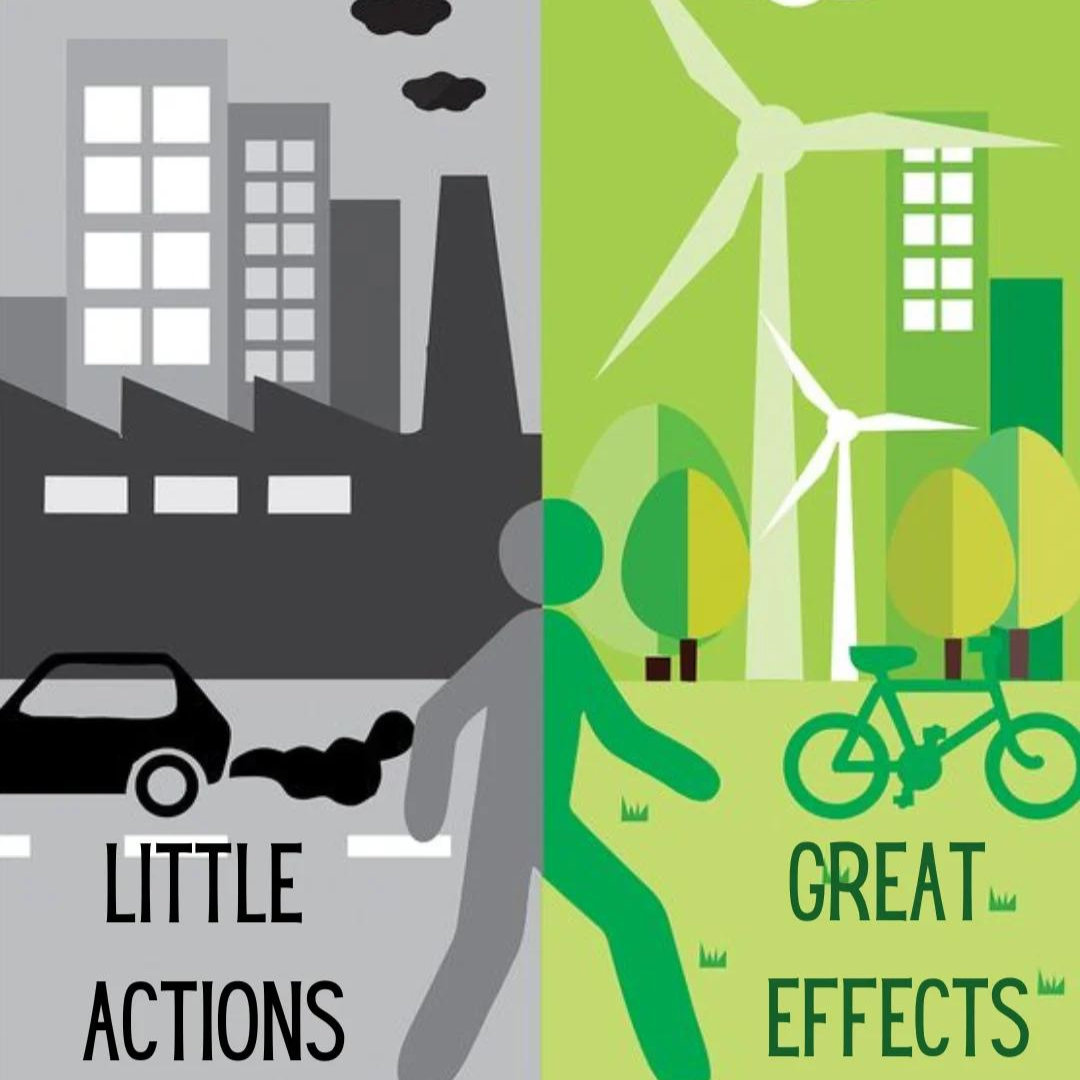
Little Actions, Great Effects
"Plastic," It's present in everything, including the single-use bags we discard after shopping and the water bottles we use to cool off. Yes, it's convenient, but that convenience has a cost: an expense to the earth, a price to our health, a price to our future. It's time to refuse plastic and release yourself from its hold! Why Give Up Plastic? There are several concerning causes for this: 1. Environmental Destruction: Plastic pollutes oceans, traps landfills, and harms wildlife throughout decades and centuries as it decomposes. Plastic waste overflows the seas, entangling and destroying marine life. When plastic breaks down, dangerous microplastics are released into the food chain. 2. Health Risks: Plastic pollution poses significant environmental and health risks due to the leaching of harmful chemicals into ecosystems and the ingestion of plastic particles by marine life, potentially disrupting ecosystems and contaminating food chains. Plastics include chemicals that can contaminate food and water and cause hormone imbalances, infertility issues, and even cancer. 3. Depletion of Resources: The reliance on fossil fuels for plastic production not only contributes to climate change through the release of greenhouse gases during extraction and manufacturing but also perpetuates a cycle of resource depletion. Transitioning towards more sustainable materials and recycling practices is crucial for reducing greenhouse gas emissions and preserving finite resources for future generations. Little actions, Great effects: Even though the plastic problem seems overwhelming, every little bit of effort matters. Here are a few easy ways to refuse plastic: 1. Support Reusables: Opt for sustainable alternatives like cotton bags, clothing, and reusable mugs for coffee, minimizing reliance on single-use plastics. Discard plastic cutlery and straws in favor of reusable utensils, and remember to bring them along when ordering takeout to reduce plastic waste. 2. Consider Your Purchases: Consider the impact on our planet and future generations before making purchases. Opt for products with minimal packaging, embrace refillable alternatives, and actively avoid single-use plastics. By adopting these mindful choices, we can contribute to a sustainable future for all and mitigate the harmful effects of plastic pollution. 3. Encourage Sustainable Brands: Numerous businesses are increasingly committed to utilizing recycled materials and reducing plastic usage across various industries, showcasing a growing awareness of environmental sustainability. From eco-conscious fashion brands incorporating recycled fibers to innovative packaging companies developing biodegradable alternatives, these initiatives demonstrate a shift towards more responsible and planet-friendly business practices. 4. Raise Awareness: Engaging in open discussions with friends and family about the impact of plastic pollution can raise awareness and inspire collective action. Offering practical tips like using reusable bags, bottles, and containers, and encouraging participation in local cleanup efforts or advocacy campaigns can empower individuals to make meaningful contributions to reducing plastic waste. 5. Become Involved: Supporting organizations dedicated to combating plastic waste through donations can contribute to impactful initiatives and research aimed at mitigating its environmental impact. Participating in beach clean-ups not only directly removes plastic debris but also raises awareness about the importance of responsible waste management, while advocating for stricter legislation can drive systemic change towards a more sustainable future. Never forget that each of us must lead the change. We can all work together to produce a tsunami of change and release ourselves from the hold that plastic holds by making tiny changes to our everyday routines. For the sake of present and future generations, let's refuse plastic and choose a better planet. Since 2019, TinyKiddo has been leading the way in supporting 100% Cotton and organic cotton for our next-generation kids.
19 Feb 2024